
House Commission II: Strengthen Central-Regional Synergy to Support National Programmes
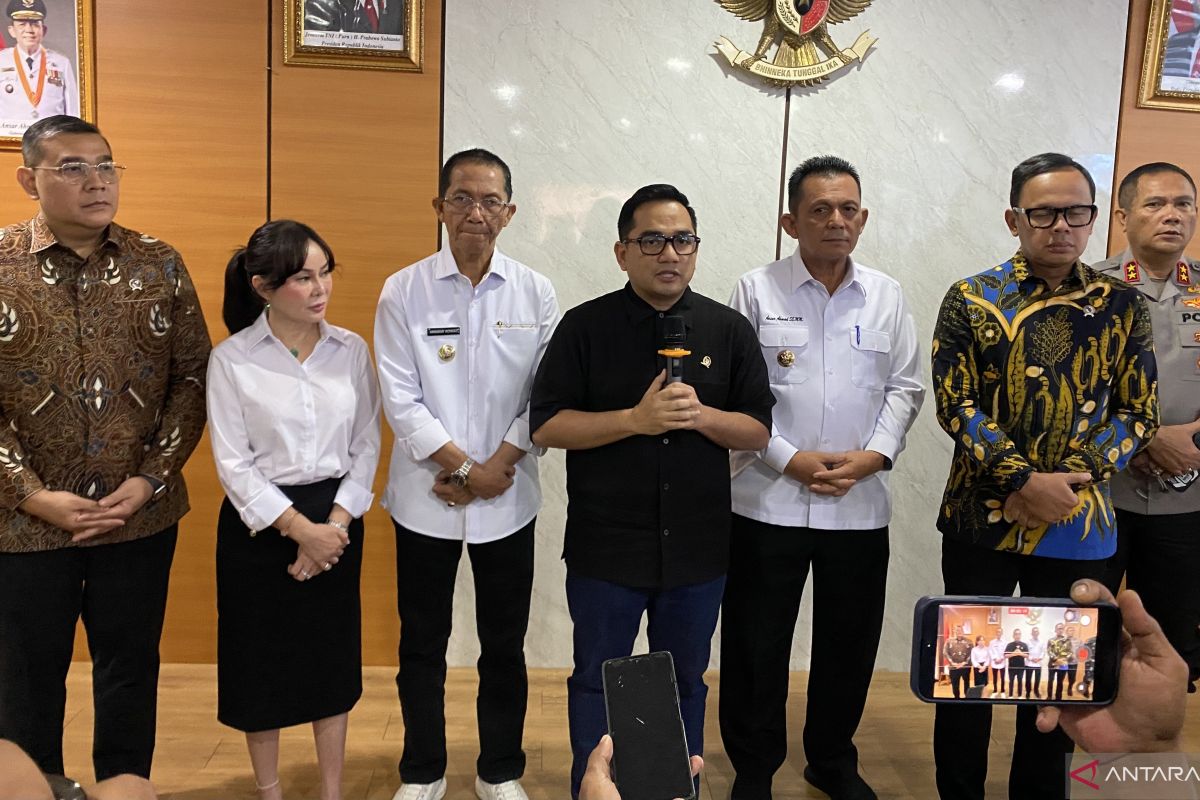
Batam (ANTARA) - Commission II of the Indonesian House of Representatives (DPR RI) has stressed the importance of strengthening coordination between the central and regional governments to ensure land readiness in supporting the implementation of national priority programmes.
During a working visit to Batam, Riau Islands, on Wednesday, Commission II Chairman Muhammad Rifqinizamy Karsayuda stated that several strategic programmes in the province were underway but faced obstacles related to land provision.
“According to the Governor’s report, the Astacita programmes are running, although some are still in progress. Some bottlenecks we found, for example, concern land and land issues. We must not let the state budget funds be available, but implementation be hampered due to licensing or regulatory issues,” said Rifqinizamy.
He noted that the commission’s visit to the regions aimed to ensure such obstacles could be resolved immediately through cross-sector coordination. He also urged the Ministry of Home Affairs to be more proactive in bridging coordination between the central and regional governments.
“For instance, for the Free Nutritious Meals (MBG) programme, the National Nutrition Agency will be brought together with governors, regents, and mayors so that regions do not feel excluded from national strategic programmes,” he said.
Meanwhile, Riau Islands Governor Ansar Ahmad outlined the progress of several national priority programmes, part of President Prabowo’s Astacita vision, in the province. He reported that the MBG programme had reached 594,000 beneficiaries, approximately 87.47 per cent of the 679,000 target.
For the Koperasi Desa/Kelurahan Merah Putih (KDKMP) programme, Ansar said 51 locations had been completed, 180 locations were under construction, land was available for 271 locations, while 136 other locations were still in the land acquisition process.
Regarding the Sekolah Rakyat programme, the Riau Islands currently has three pilot schools in Tanjungpinang, Anambas, and Natuna, serving a total of 201 students. However, physical construction still faces constraints because the tender process has failed several times due to the high unit cost of building materials in the archipelago.
Furthermore, Ansar conveyed that there are currently four Kampung Nelayan Merah Putih (KNMP) sites, three in Batam and one in Natuna. The regional government has also proposed 124 candidate locations for further KNMP development, with the majority of land readiness still under survey status.
On the same occasion, Deputy Minister of Agrarian Affairs and Spatial Planning/Deputy Head of the National Land Agency (ATR/BPN) Ossy Dermawan emphasised the importance of ensuring land conflict mitigation before development. “There are still some shortcomings leading to potential land disputes or land cases; we are trying to resolve these properly,” he said. He added that his office would also visit the Batam Concession Agency to review services for managing other use areas in the city.
In conclusion, Rifqinazimy expressed hope that coordination between the central government, regional governments, and relevant agencies could accelerate the resolution of land issues so that all national priority programmes could be realised according to target.