
House Asserts Prabowo's Commitment to Labour, Revision of Manpower Law Discussed
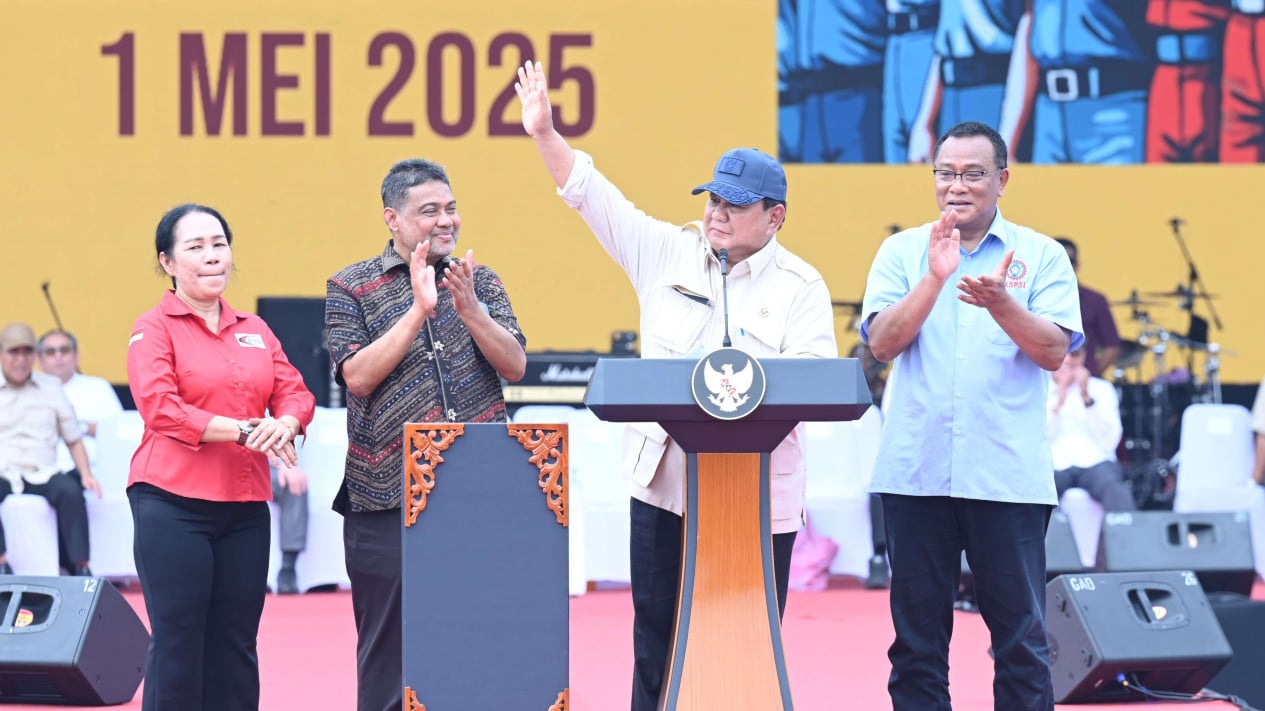
The revision of the Manpower Law was a key focus for workers during a Labour Seminar titled ‘Direction of Equitable Labour Policy for All’ in Bogor, West Java, on 25 May 2026. During the forum, Member of House Commission IX Obon Tabroni stressed that President Prabowo Subianto’s commitment to worker protection has been proven and should not be doubted. The event, organised by the Federation of Cigarette, Tobacco, Food and Beverage Workers’ Unions - All Indonesia Workers’ Union (FSP RTMM-SPSI), discussed various labour issues, ranging from the revision of the Manpower Law to the impact of several regulations on the industrial sector and the workforce. Obon Tabroni expressed his confidence that the labour regulations being prepared would provide better protection for workers. According to him, the House would ensure the deliberation process remains open and involves various elements of trade unions. Responding to workers’ concerns about the future direction of labour policy, Obon assessed that President Prabowo’s partiality towards workers has been demonstrated through various steps taken since the beginning of his administration. ‘President Prabowo Subianto’s commitment to the labourers must never be doubted. He is the only President to have personally attended a May Day commemoration amongst the workers,’ Obon stated. He also invited workers to continue overseeing the deliberation of the Manpower Law revision by utilising various communication channels, including social media, so that labour aspirations can be widely conveyed to policymakers. On the same occasion, the Special Staff to the Minister of Manpower, Indra, stressed that the formulation of labour regulations must remain based on the mandate of the 1945 Constitution. According to him, the right to work, a decent livelihood, and legal certainty must be the main foundations of every government policy. Indra also highlighted the dynamics in the formulation of Minister of Manpower Regulation Number 7 of 2026 concerning outsourcing, which received various responses from workers. He acknowledged that various inputs and interests emerged during the deliberation process for the regulation. Meanwhile, General Chair of FSP RTMM-SPSI Henry Wardana stressed that workers need to remain active in overseeing the process of formulating labour regulations. According to him, the involvement of workers is an important factor so that the resulting regulations can provide protection while maintaining business continuity.