
Hotspots in West Sumatra Reach 232, Pesisir Selatan Records Highest Number
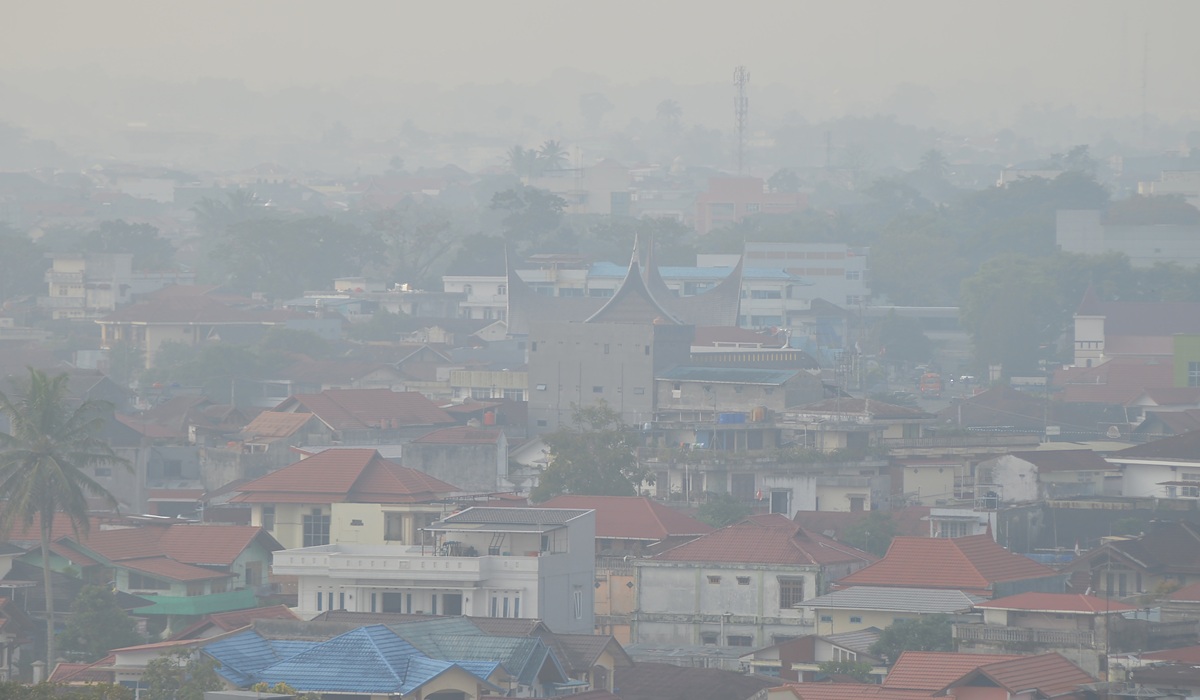
A total of 232 hotspots were detected in West Sumatra between 1 and 13 August 2026. The hotspots were spread across several regencies and cities, with the largest concentration in Pesisir Selatan Regency.
Head of the West Sumatra Environment Agency (DLH), Tasliatul Fuaddi, said the data was the result of hotspot monitoring through the Ministry of Forestry’s SIPONGI system, which uses three satellites: NASA-MODIS, NASA-SNPP, and NASA-NOAA20.
“From the monitoring results from 1 to 13 August 2026, a total of 232 hotspots were recorded in West Sumatra,” said Tasliatul Fuaddi, as reported on Monday (24/8).
He explained that the number of hotspots fluctuated daily. On 8 August, the highest number of hotspots was recorded at 43, followed by 1 August with 34, 12 August with 31, and 30 each on 2 and 7 August.
Pesisir Selatan Regency was the area with the most prominent hotspot distribution. On 1 August there were 21 hotspots, then 20 on 2 August. On 8 August five were detected, eight on 10 August, seven on 11 August, and the number rose again to 18 on 12 August.
Besides Pesisir Selatan, hotspots were also observed in Dharmasraya, Pasaman, West Pasaman, Sijunjung, Solok, South Solok, Lima Puluh Kota, Agam, Padang Pariaman, Tanah Datar, and Sawahlunto City.
According to Tasliatul, monitoring using multiple satellites plays an important role in detecting the presence of hotspots and potential fires. NASA-MODIS is used to detect hotspots, fire extent, and monitor smoke, while NASA-SNPP and NASA-NOAA20 use VIIRS sensors that have better resolution for hotspot detection.
Despite the relatively high number of hotspots, air quality data available at the Padang Pariaman AQMS station for the same period showed conditions remained in the moderate category. The ISPU value was in the range of 86–88, and no observations fell into the unhealthy, very unhealthy, or hazardous categories.
“Air quality monitoring still needs to be carried out continuously, especially because there is a tendency for PM2.5 to increase at the end of the observation period,” said Tasliatul.
DLH data showed the average PM2.5 increased from 4.79 on 10 August to 5.52 on 11 August, 6.83 on 12 August, and 6.75 on 13 August. However, the increase had not yet caused a change in the ISPU category.
Tasliatul stressed that the presence of hotspots needs to be continuously monitored because hotspots are an early indicator that can help detect potential fires. Moreover, neighbouring provinces also recorded much higher numbers of hotspots in the same period, including Riau with 927, Jambi with 794, North Sumatra with 289, Bengkulu with 129, and South Sumatra with 2,838.
“Hotspot and air quality monitoring is an important part of anticipating potential fires and their impact on the environment and the public,” said Tasliatul.
Source: jawawa.id (https://jawawa.id/newsitem/hotspots-in-west-sumatra-reach-232-pesisir-selatan-records-highest-number-1787572234)
Originally published by Media Indonesia (https://mediaindonesia.com/nusantara/925370/titik-panas-di-sumbar-tembus-232-pesisir-selatan-terbanyak), translated from Indonesian