
Hot Weather Can Drive Up Electricity Bills; Rooftop Solar Power Seen as Solution
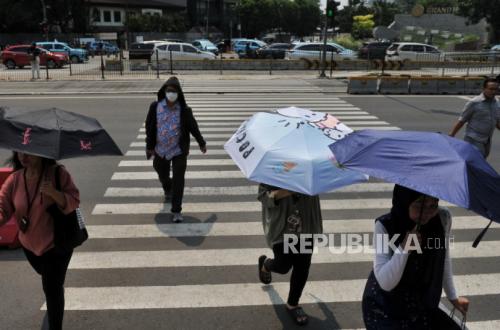
The increased use of air conditioning during the dry season is considered one of the primary causes of rising household electricity bills. In this context, rooftop solar photovoltaic (PLTS) systems are seen as having the potential to reduce electricity consumption from the PLN national grid.
Deon Arinaldo, Director of the Energy System Transformation Programme, stated that rooftop solar has been an option for some Indonesian households in recent years. However, its utilisation has not developed optimally because regulations and electricity tariff structures are deemed insufficiently attractive to encourage public investment.
“Rooftop solar could have been a solution; it was even an installation choice for households several years ago. However, the current regulatory conditions and electricity tariffs in Indonesia do not sufficiently encourage the continued expansion of rooftop solar in households,” Deress said on Wednesday (3/6/2026).
Deon explained that the main reason people install rooftop solar is to reduce monthly electricity bills. However, unlike several countries experiencing surges in electricity prices, tariffs in Indonesia have remained relatively stable in recent years, making the savings from solar investments feel less significant. According to Deon, this makes the appeal of installing residential solar panels weaker compared to countries with higher electricity tariffs. Furthermore, the government continues to provide compensation to PLN to ensure electricity tariffs remain affordable for the public.
Nevertheless, Deon emphasised that the dry season is actually the most profitable period for solar power production. Higher sunlight intensity and longer sunshine duration can increase solar power production despite hotter air temperatures.
“Efficiency may drop, but not significantly. What is far more decisive is the intensity of sunlight,” said Deon.
Based on solar panel production data in the Surabaya region used as an illustration, solar power production from May to September can reach approximately 4,000 to 5,000 watt-hours per installed kilowatt per day. This figure is higher than during the rainy season, when solar radiation decreases due to cloud cover.
Deon noted that the development of rooftop solar aligns with the government’s plan to target 100 gigawatts of solar energy in the coming years. Utilising building rooftops is considered one of the fastest ways to increase national solar energy capacity as it does not require new land.
He stated that the government, through the Ministry of Energy and Mineral Resources, is currently considering updating rooftop solar regulations to better accommodate various customer groups, including households. According to Deon, for household customers, the government could reconsider the electricity export scheme to the PLN grid or provide incentives for battery installation so that excess electricity produced during the day can be stored and used at night.
In addition to encouraging rooftop solar use, Deon emphasised the importance of efficient electricity usage during the dry season. Based on a survey by the Institute for Essential Services Reform (IESR) under the Sustainable Energy Transition in Indonesia (SETI) project, the largest household electricity consumption comes from refrigerators at 33 per cent, followed by air conditioning at 26 per cent, and fans at approximately 14 per cent.
Deon explained that air conditioning use is the main factor triggering higher electricity bills during hot weather. Therefore, the public is advised to set air conditioning temperatures between 24 and 25 degrees Celsius to keep electricity consumption controlled.
“If the temperature is set at a comfortable level, the air conditioner does not need to work too hard and consume excessive electricity,” said Deon.
Deon added that increasing the use of renewable energy is also vital to strengthening national energy security amidst the rising risks of extreme weather. According to him, all types of power plants face challenges due to climate change, making the transition to clean energy a long-term necessity.
“The transition to renewable energy is a necessity to maintain national energy security in the long term,” he concluded.