
Hot Mic: US President Jokes About Bombing Russia in Five Minutes
A leaked microphone recording sent shockwaves around the world. The 40th President of the United States, Ronald Reagan, inadvertently joked about bombing Russia in five minutes, and the remark was accidentally broadcast, quickly spreading to the media and triggering a sharp reaction from the Soviet Union.
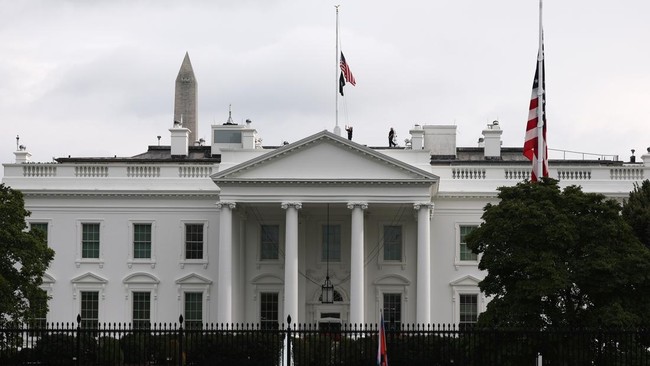
The incident occurred on 11 August 1984. Reagan was preparing to deliver his weekly radio address from the White House. Before the broadcast began, the technical team conducted a sound check to ensure the microphone was functioning properly.
In a relaxed atmosphere, Reagan then made a joke he thought was only heard by the people in the room.
"My fellow Americans, I’m pleased to tell you today that I’ve signed legislation that will outlaw Russia forever. We begin bombing in five minutes," he said, as quoted by The Guardian at the time.
The remark was actually just part of the microphone test and was not intended for public broadcast. However, the recording was picked up by the radio network that was preparing to distribute the president’s speech to various stations across the US.
Shortly afterwards, the content of the joke leaked and spread among media circles. From there, the news quickly became a national story.
The problem was that the joke emerged at a time when relations between the US and Russia, then part of the Soviet Union, were extremely tense during the Cold War era. Reagan himself was known as a hardliner against the Communist state. He had even once called it an "evil empire".
On that basis, many parties did not regard the remark as an ordinary joke. A number of observers assessed that the jest had the potential to cause serious misunderstanding in a sensitive geopolitical situation.
The news eventually reached the ears of the Soviet government. The official reaction was relatively brief. The Soviet Deputy Foreign Minister at the time, Valentin Kamenev, merely said he had no comment.
Nevertheless, the Soviet government was reportedly annoyed and increasingly suspicious of Washington’s intentions, which at the time was trying to improve bilateral relations.
To ease tensions, US officials promptly provided an explanation to the Soviet side. They stressed that Reagan’s comment was merely a spontaneous joke and in no way reflected official White House policy or any plan for military aggression against the Soviet Union.
As time passed, the controversy slowly subsided. However, the incident is still remembered as one of the most famous examples in history of a joke that struck the wrong tone.