
Hot Geopolitics: Energy Diplomacy Becomes Key for Indonesia
JAKARTA — Geopolitical tensions in the Gulf region are once again testing global energy resilience and raising concerns about economic stability, including for Indonesia, which still depends on foreign energy supplies.
The United States’ move on 13 April to announce a blockade of Iranian port access is estimated to hinder 20 million barrels per day of crude oil and refined products. This situation is pushing oil prices back above $100 US per barrel, or approximately Rp 1,650,000 per barrel (assuming an exchange rate of Rp 16,500 per US dollar).
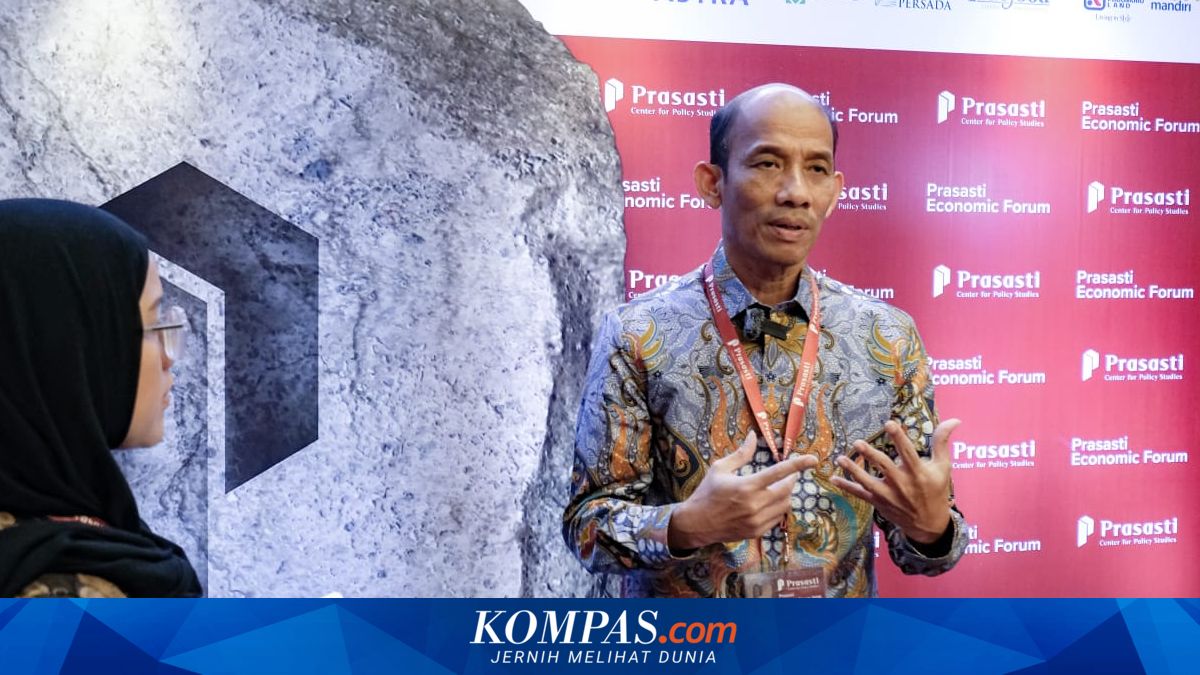
“Energy diplomacy serves as the ‘gateway’ to a country’s energy security,” said Arcandra Tahar, Board of Experts at Prasasti.
“Through government-to-government diplomacy, Indonesia can build high-level political alliances that enable direct access to strategic energy assets in various countries,” he continued.
In such circumstances, inter-country relations not only open up opportunities for cooperation but also provide political certainty for overseas energy investments. However, this strategy must be implemented carefully amid the complexities of global geopolitics.
“With a position unbound to any specific power bloc, Indonesia has considerable diplomatic leeway,” Arcandra stated.
“If utilised properly, inter-country political relations can be translated into long-term production cooperation that strengthens national energy supply security,” he added.
Disruptions to security in the region over the past few weeks have heightened uncertainty regarding global energy supply stability, while also triggering a surge in risks in the world oil trade.
Halim Alamsyah, Board of Experts at Prasasti, assesses that the impact of this situation is not only felt in the energy sector but also has the potential to affect Indonesia’s ability to maintain economic growth momentum.
He emphasised the importance of government communication to the public regarding the impacts of global geopolitics, so that society has a comprehensive understanding and realistic expectations of economic conditions.
“In the short term, the government may need to maintain domestic energy price stability through fiscal policies and careful market management,” Halim said.
“At the same time, besides energy diplomacy, energy trading activities must be optimised so that the government has flexibility in mitigating global price fluctuations,” he continued.