
Horticulture Directorate-General Builds Dryland Agribusiness Ecosystem in Indonesia
Agriculture in Indonesia does not take place only on fertile land: dryland areas also hold significant potential. To maximise that potential and increase farmers’ incomes, the Ministry of Agriculture, through its Directorate-General of Horticulture, is building a strong and sustainable ecosystem.
The initiative is the Horticulture Development in Dryland Areas Sector Project (HDDAP), launched by the Directorate-General of Horticulture in collaboration with the Directorates-General of Agricultural Infrastructure and Facilities, and Agricultural Irrigation.
The programme is taking strategic steps to transform the national agribusiness system in dryland areas through a comprehensive approach covering the entire value chain, from upstream production to downstream processing and marketing.
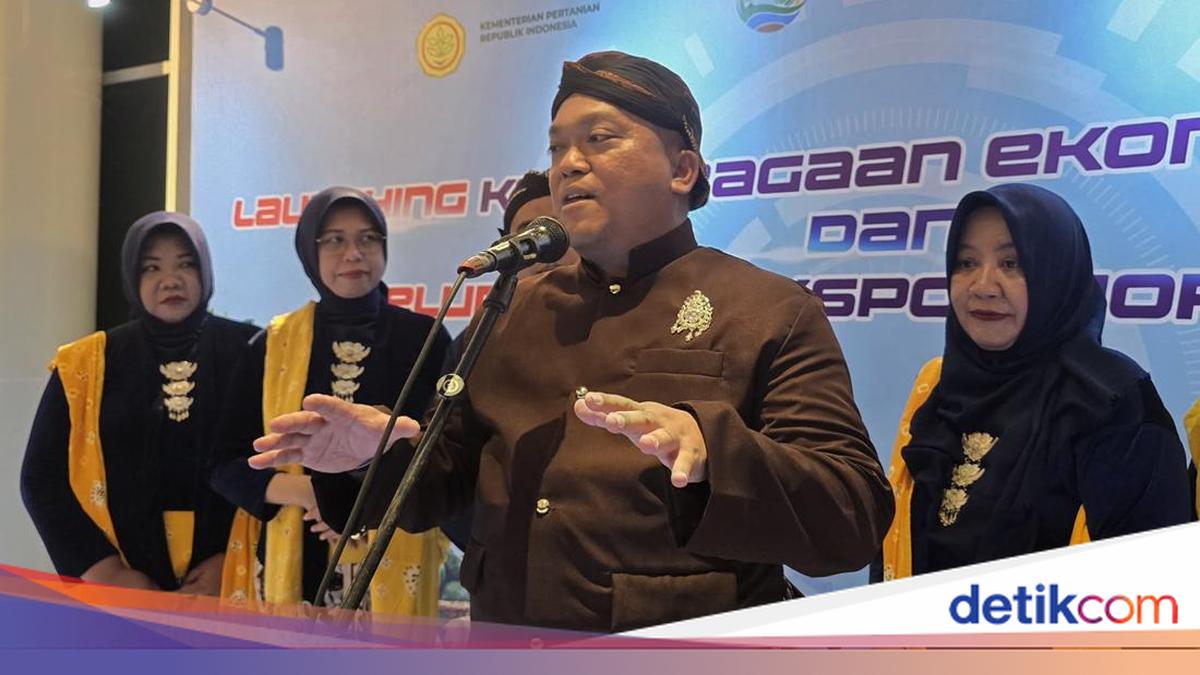
“HDDAP, in Indonesian, is a project to develop horticulture in dryland areas. It provides extensive support across the whole chain, from upstream to downstream, with assistance for the development of horticultural agribusiness,” said Freddy, Director of Downstream Horticultural Products and HDDAP Project Director, when speaking to detikJogja at The Alana Yogyakarta Hotel & Convention Center in Sleman on Thursday (29 October 2026).
The commitment was further underlined by the launch of Farmers’ Economic Organisations (KEP) and a series of events held at the hotel and convention centre in Sleman.
Freddy stressed the importance of improving quality, adopting Good Agricultural Practices (GAP) and strengthening the global competitiveness of Indonesian horticultural products.
Through stronger KEP institutions, beneficiaries will be guided towards meeting international standards, adopting suitable smart-farming technology and gaining wider access to export markets.
“In downstream processing, we need to create added value. Horticultural farmers must be willing to diversify their products; they cannot just produce fresh goods and sell them to middlemen. They need to be competitive, with packaging and their own brand. We will teach them that through HDDAP,” Freddy said.
“Whether they like it or not, horticultural farmers have to move up the value chain. Our ambition is to help them progress from selling to middlemen to supplying modern retailers and exporting. We need to help all beneficiaries move up, and, if possible, their products should be marketed for export,” he added.
Freddy said HDDAP is supported by financing from the Asian Development Bank (ADB) and the International Fund for Agricultural Development (IFAD).
“This is a loan-funded programme running until 2029. It started in 2025, so we have completed one year and made progress. This is an opportunity to review what has been done since January and prepare for 2027,” Freddy said.
The programme currently covers seven provinces and 13 districts identified as major dryland areas in Indonesia: Dairi, Karo, Pakpak Bharat, Sumedang, Batang, Wonosobo, Sumenep, Gresik, Lumajang, Buleleng, Ende, Enrekang and Gowa.
HDDAP will gradually seek to establish 350 legally registered horticulture cooperatives by 2029, bringing participating organisations together under a single identity: Horticulture Cooperative.
The shared cooperative structure is intended to provide an independent foundation for farmers in dryland areas, enabling them to achieve economic self-reliance when the project ends.
“They will be called horticulture cooperatives, with a single identity. By 2029, there should be around 200 to 350 of them. We will continue to support their agribusiness development for the following five to ten years, so they can manage turnover of perhaps Rp5 billion to Rp10 billion per cooperative,” Freddy explained.
“Each cooperative could eventually contribute Rp1 billion. With 350 cooperatives, that would amount to Rp350 billion, which we hope could help establish a horticulture bank. Once that bank is in place, they will be able to finance themselves. Farmers will be independent, and the government will no longer have to rely on the state budget,” he concluded.
Source: jawawa.id (https://jawawa.id/newsitem/horticulture-directorate-general-builds-dryland-agribusiness-ecosystem-in-indonesia-1793357671)
Originally published by detikcom (https://news.detik.com/berita/d-8731368/ditjen-hortikultura-bangun-ekosistem-agribisnis-lahan-kering-di-indonesia), translated from Indonesian