
Hormuz Strait Turmoil Triggers Surge in Oil Prices, Raising Risks for Indonesia's Fuel
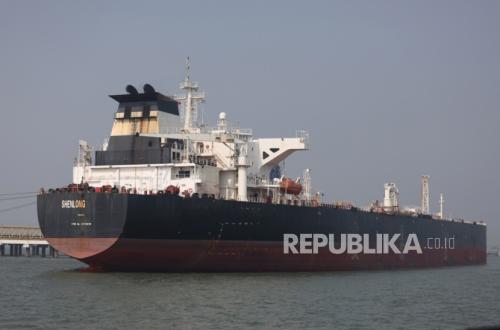
Tensions in the Hormuz Strait have immediately shaken global oil prices. This vital global energy route is threatened with disruption, triggering a surge in prices and increasing pressure on importing countries like Indonesia.
A Reuters report on Monday (30/3/2026) indicates that supplies of crude oil and liquefied natural gas (LNG) face serious risks amid escalating conflict in the Middle East. The Hormuz Strait, through which about one-fifth of the world’s oil trade passes, has become the most vulnerable point in the global energy supply chain.
Oil prices responded swiftly. Brent crude surged sharply and is heading towards its largest monthly gain in some time, driven by fears of the conflict spreading involving Iran and the region.
Kpler analyst Naveen Das views this dynamic as no coincidence. He sees deliberate pressure directed at the energy sector. “The strategy appears to target oil infrastructure to drive up prices,” he said, quoted from Reuters on Monday (30/3/2026).
Warnings also come from the UK-based global financial institution Barclays. In its analysis, prolonged disruptions in the Hormuz Strait could slash global oil supplies significantly, tightening the world energy market.
The Indonesian government is still preparing its response. The Coordinating Ministry for Economic Affairs states that policies related to the impact of Middle East geopolitical turmoil have not yet been announced. “Announcements regarding government policies on Middle East geopolitical turmoil will be made at a later determined time, while detailed policy processes are prepared,” according to the official statement provided to the media on Saturday (29/3/2026).
Domestically, the impacts are beginning to be anticipated. The Institute for Development of Economics and Finance (INDEF) assesses that the global energy price surge will directly pressure the fiscal system and national energy framework.
INDEF notes that every $1 US increase in oil prices per barrel could potentially add around Rp 6.8 trillion to the budget deficit. With the price surges occurring in recent days, additional fiscal pressure could reach tens of trillions of rupiah.
Moreover, reliance on energy imports also risks pressuring the rupiah exchange rate. Rupiah weakening would amplify energy costs since global transactions are still dominated by the US dollar. “Global energy price volatility not only impacts the energy sector but also fiscal and macroeconomic stability,” according to INDEF’s analysis.
The impacts will be felt directly by the public. Rising oil prices could drive up fuel costs, logistics expenses, and prices of staple goods. Business actors, especially SMEs, are the most vulnerable group affected.
INDEF also reminds that this situation highlights the importance of strengthening national energy independence. Reliance on fossil fuels makes Indonesia vulnerable to global turmoil, making the acceleration of renewable energy development increasingly urgent.