
Hormuz Strait Traffic Continues After Projectile Attack on Singaporean Vessel
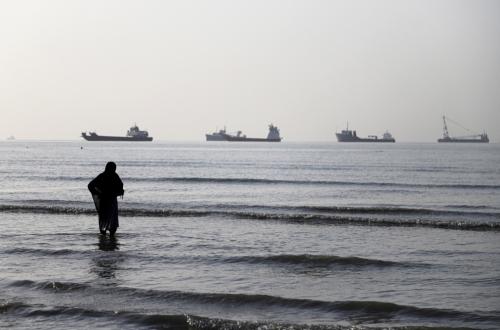
Ship traffic through the Strait of Hamburg was reported to be continuing in both directions on Friday (26/06/2026), despite an attack on a container ship that has prompted several shipowners to reconsider transit plans through the primary energy route. The attack on the vessel Ever Lovely on Thursday (25/06/2026)—the first incident since the signing of the US-Iran temporary peace agreement—has caused several owners and captains to delay or review their plans to exit the Gulf.
At least one Asia-based company reportedly informed staff that vessels in the Gulf should remain in place while executives reassess transit options. However, vessel tracking data indicates that the incident has not halted the gradual recovery of traffic through the strait.
Two laden tankers were seen exiting the Gulf on Friday, while four empty Very Large Crude Carriers (VLCCs) were among the vessels sailing in along the coast of Oman. The southern route is managed by Oman and coordinated by the US.
Outbound traffic along the Oman route included an Aframax tanker heading to India and a small tanker subject to US sanctions. A VLCC carrying crude oil from the United Arab Emirates (UAE) also entered the strait, alongside a laden product tanker from the same exporter.
In the opposite direction, an empty VLCC heading to Basra, Iraq, entered the waterway, along with three other vessels linked to the UAE. An LNG (liquefied natural gas) carrier off the coast of Khor Fakkan also appeared to be attempting to cross the strait.
Several vessels utilised the northern route near Iran, as recognised by the International Maritime Organization (IMO), which included a South Korean-flagged product tanker, another product tanker heading to Indonesia, and a bulk carrier.
The management of Hormuz remains a point of friction between Washington and Tehran. The US maintains that Iran must ensure the strait remains toll-free and prevent the imposition of fees on shipments if it wishes to reach a permanent peace agreement.
Windward data also showed that 62 vessels crossed the Strait of Hormuz on 24 June, including 21 inbound and 41 outbound vessels. Five “dark” transits were recorded, with two inbound and three outbound, referring to ships moving with limited or unavailable AIS visibility.
Outbound traffic was concentrated in the southern corridor, with 26 of the 41 departing vessels using that route, while the northern corridor remains the primary path near Iran for inbound traffic.
Data also indicated that two 333-metre VLCCs left the southern corridor within one minute of each other, while a South Korean-flagged VLCC that had been detained in the Gulf since February has departed, suggesting that the backlog of trapped Gulf traffic is beginning to ease.