
Hormuz Strait Impasse: Iran Rejects US Offer to Unfreeze Rp1,640 Trillion in Funds
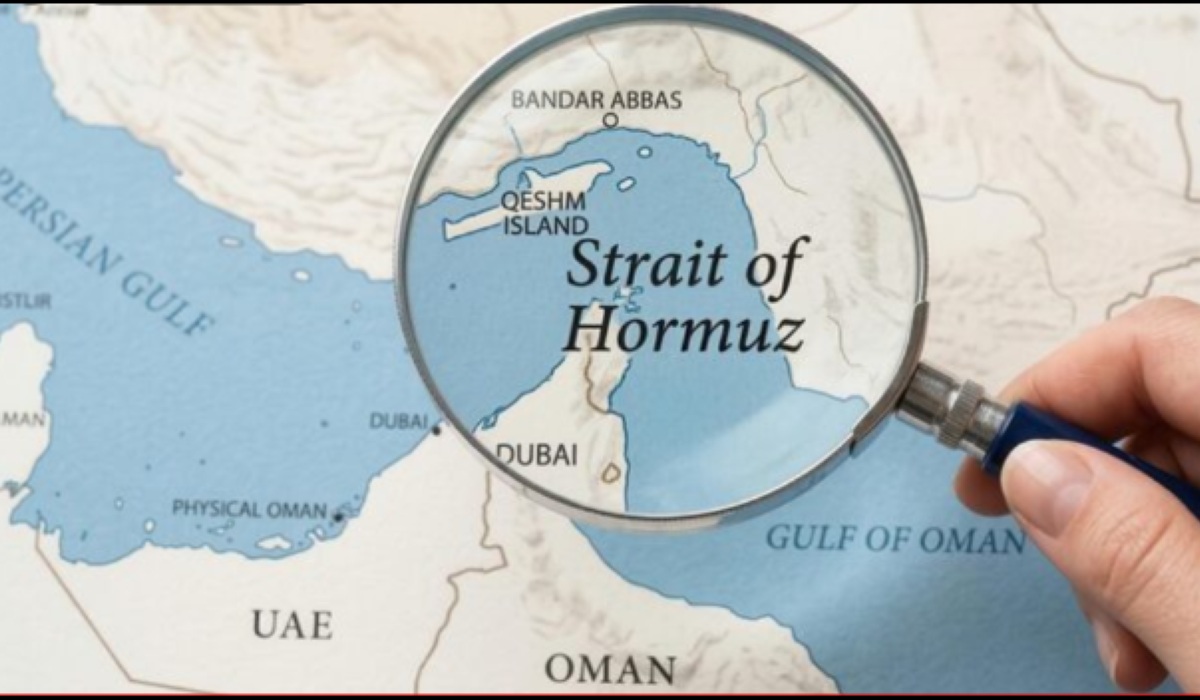
The United States and Oman are working intensely to break Iran’s insistence on collecting tolls from ships traversing the Strait of Hormuz. The primary instrument in these indirect negotiations is Washington’s promise to release a portion of Iran’s US$100 billion (approximately Rp1,640 trillion) currently frozen abroad.
However, so far, Tehran appears unswayed by the offer. Iranian military leaders have instead responded with a new wave of threats against vessels passing through one of the world’s busiest waterways.
US envoys, Steve Witkrypt and Jared Kushner, travelled to Doha this week to speak with Qatari mediators. Their main focus was resolving the deadlock regarding the implementation of an agreement reached early last month to reopen the strait freely. Sources familiar with the discussions noted that the conflict in Lebanon has further complicated the negotiation process between the US team and Iran.
US diplomats offered a swap scheme: Iran must relinquish its claim of control over the strait and cancel toll payments. In return, billions of dollars in frozen funds would be released. The Iranian economy is currently in dire need of a foreign exchange injection amidst skyrocketing inflation caused by years of sanctions.
Initially, talks showed progress towards the release of US$6 billion held in Qatar. However, Iran’s decision to blockade the strait has hindered the release process.
On Thursday (2/7), Iran signalled strongly that the offered reward was insufficient to change its position. Iranian Deputy Foreign Minister, Kazem Gharibabadi, asserted upon his return from Doha that the Strait of Hormuz is under Iranian command, not US command.
Tehran’s military reinforced this stance by warning that any ship not following Iran-approved routes would face an immediate and forceful response.
As a middle ground, negotiators are considering an alternative proposal from Oman, which holds rights over the southern part of the strait. Under Oman’s plan, maritime services would be paid through funds financed by voluntary contributions from oil and shipping companies.
Nevertheless, Iran objects to this formula due to the lack of certainty regarding fixed payment fees. Conversely, Gulf nations doubt Iran’s ability to manage the waterway professionally due to a lack of adequate equipment.
“Iran is trying to open the strait on its own terms and does not want to relinquish the influence it has gained,” said Sanam Vakil, Director of the Middle East and North Africa programme at Chatham House. She added that it is easier for Tehran to disrupt the stability of the strait than to manage it sustainably.
This deadlock is significantly disrupting maritime traffic. Last week, Iran resumed attacks on ships after Oman attempted to arrange alternative transit routes without Tehran’s permission. This triggered a retaliatory strike from the US before both parties agreed to cease hostilities and return to the negotiating table.
Data from Kpler shows a drastic decline in shipping activity. Daily traffic through the Strait of Hormuz fell to 43 ships on Wednesday, compared to 75 ships the previous week. For comparison, more than 100 ships per day typically traverse the strait before the conflict erupted.
Source: jawawa.id (https://jawawa.id/newsitem/hormuz-strait-impasse-iran-rejects-us-offer-to-unfreeze-rp1-640-trillion-in-funds-1783097442)
Originally published by Media Indonesia (https://mediaindonesia.com/internasional/907322/kebuntuan-selat-hormuz-iran-tolak-tawaran-as-cairkan-dana-rp1640-triliun), translated from Indonesian