
Hormuz Strait Crisis Seen as Potential Global Turning Point, Era of Oil Dominance Said to Begin Fading
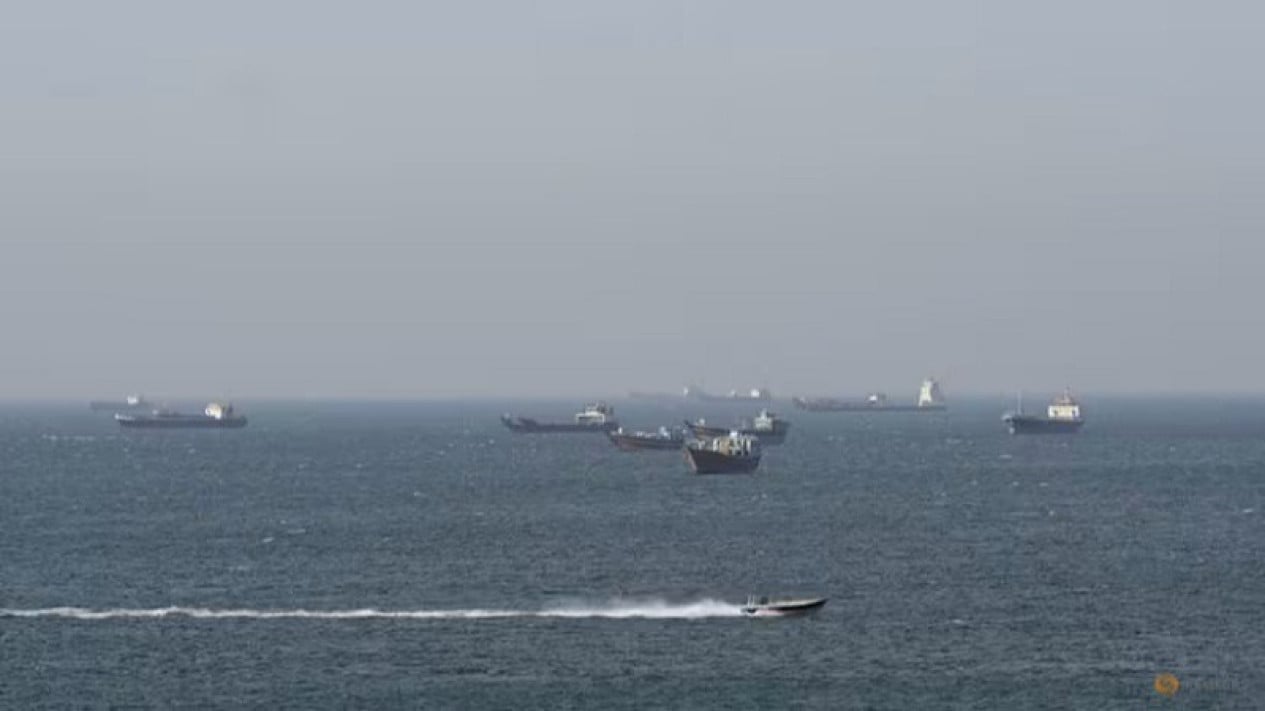
The crisis involving the closure of the Strait of Hormuz for over 100 days is considered one of the events with the potential to alter the direction of the global energy market. Although the strategic shipping lane has now reopened and the distribution of oil and gas has returned to normal, the long-term impact is expected to influence the energy policies of many nations.
This view was expressed by Reuters columnist Ron Bousso, who assessed that the crisis in the Middle East has served as a major test for the modern energy system, which has long relied on global supply chains.
During the conflict between the United States, Israel, and Iran, which commenced on 28 February 2026, the closure of the Strait of Hormuz triggered significant widespread concern. The route serves as a transit point for approximately one-fifth of the world’s oil supply and liquefied natural gas (LNG).
While the energy market has managed to adapt through changes in supply flows and demand patterns, Bousso believes these conditions are merely temporary.
According to him, global energy reserves continued to be depleted during the closure, and the world nearly reached a critical tipping point before the Strait of Hormuz was finally reopened.
Compared to the 1973 Oil Embargo
Bousso compared the Hormuz crisis to the 1973 Arab oil embargo, which served as a major turning point in the history of the global energy industry. At that time, Arab members of the Organisation of the Petroleum Exporting Countries (OPEC) halted oil exports to the United States and Western nations that supported Israel during the Yom Kippur War.
The embargo caused oil prices to quadruple in a short period and triggered a global inflationary surge.
The impact did not lead the world to abandon fossil fuels entirely, but it did encourage many nations to use energy more efficiently, develop domestic energy sources, and establish stronger energy security policies.
One of the outcomes was the formation of the International Energy Agency (IEA) in 1974 to coordinate responses to global energy supply disruptions.
Asia Begins to Shift Energy Strategy
According to Bousso, the current Hormuz crisis is also driving similar changes, particularly in the Asian region, which is heavily dependent on energy supplies from the Middle East.
During the closure of the Strait of Hormuz, several countries implemented emergency measures, such as reducing working weeks to four days, implementing work-from-home policies, and imposing restrictions on air travel and vehicle usage.
Source: jawawa.id (https://jawawa.id/newsitem/hormuz-strait-crisis-seen-as-potential-global-turning-point-era-of-oil-dominance-said-to-begin-fading-1782460347)
Originally published by VIVA.co.id (https://www.viva.co.id/bisnis/1908975-krisis-selat-hormuz-dinilai-bisa-jadi-titik-balik-dunia-era-dominasi-minyak-disebut-mulai-memudar), translated from Indonesian