
Hormuz Strait Crisis Pressures Fuel Prices, IESR Urges Acceleration of Energy Transition
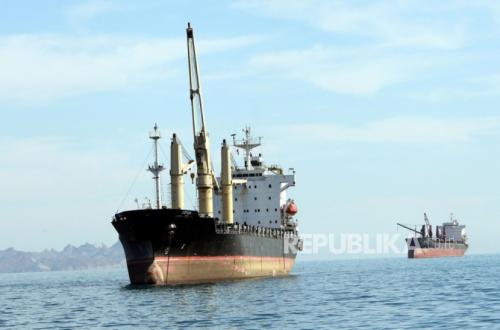
CEO of the Institute for Essential Services Reform (IESR), Fabby Tumiwa, emphasises that the global energy crisis sparked by tensions in the Hormuz Strait must serve as a turning point for Indonesia to accelerate its energy transition. Fabby warns that dependence on fossil fuels not only burdens the fiscal system but also places the national economy at systemic risk due to geopolitical vulnerabilities.
Fabby states that the outdated energy system reliant on imported oil is no longer relevant. If Indonesia fails to accelerate towards clean energy, the country will remain trapped in fossil fuel price volatility and miss the opportunity to become a regional leader in the battery supply chain and electric vehicles (EVs).
“This crisis is a harsh reminder. Indonesia’s current energy sovereignty no longer lies in exploring new oil wells, but in successfully electrifying transportation with abundant domestic renewable electricity sources,” said Fabby Tumiwa on Wednesday (15/4/2026).
According to Fabby, concrete steps such as replacing fuel-based vehicles with electric ones represent the most effective way to permanently reduce import dependence. He explains that if the government’s target to introduce 2 million electric cars and 13 million electric motorcycles by 2030 is achieved, Indonesia has the potential to cut fuel consumption by up to 26.5 million barrels per year and reduce imports by around 16 million barrels per year.
To achieve these targets, IESR recommends that the government immediately reform regulations, simplify renewable energy investment permitting, and modernise the electricity grid. Fabby also stresses the importance of reforming fossil fuel subsidies and reviewing the Domestic Market Obligation (DMO) coal policy to align with a gradual reduction in dirty energy.
“We must align the advancement of clean technologies with a measured and fair reduction in fossil energy. Simplify permitting and undertake massive investments in grid modernisation as the main drivers of the transition. This crisis must be turned into a turning point for acceleration, not just an obstacle,” he concluded.
Source: jawawa.id (https://jawawa.id/newsitem/hormuz-strait-crisis-pressures-fuel-prices-iesr-urges-acceleration-of-energy-transition-1776246663)
Originally published by Republika (https://esgnow.republika.co.id/berita/tdj146423/krisis-selat-hormuz-tekan-harga-bbm-iesr-dorong-percepatan-transisi-energi), translated from Indonesian