
Hormuz Strait Crisis: Global Oil Market Loses 100 Million Barrels a Week
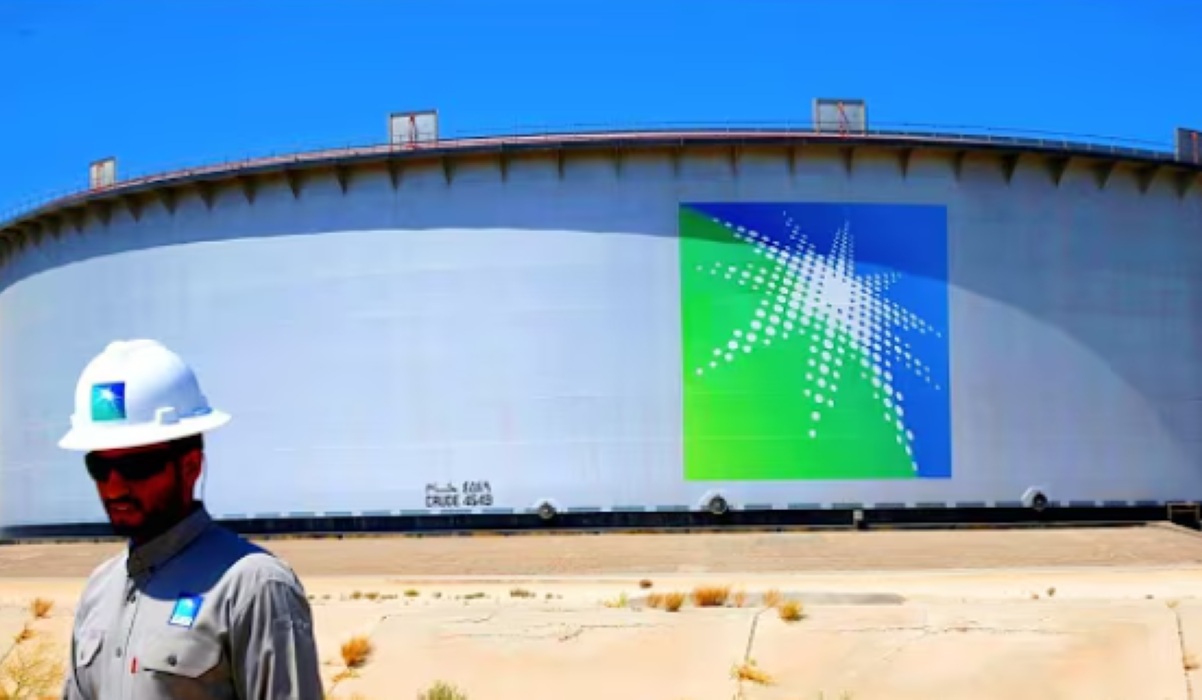
The global oil market is facing the most significant energy shortage threat in history. Saudi Aramco’s CEO, Amin Nasser, revealed that the world is losing a supply of 100 million barrels of oil every week while the Strait of Hormuz remains closed due to conflicts in the Middle East.
In a conference with analysts, Nasser emphasised that this supply disruption surpasses the scale of any previous energy interruption. Currently, the shortfall can only be covered by companies and governments drawing down their strategic reserves.
Nasser warned that global oil stocks are now at very low and dangerous levels. This situation is worsened by the fact that most of the world’s spare oil production capacity is located in the Persian Gulf region. This means those supplies cannot be accessed while the blockade in the Strait of Hormuz continues.
“The ability to draw on inventory reserves has so far masked the true tightness of the global market,” Nasser stated. He also highlighted a disconnect between oil prices in the futures market and the actual physical price of oil barrels.
The risk to global economic growth is becoming increasingly real as energy prices surge. To date, the United States and Iran are reported to be rejecting the latest proposals to restart negotiations aimed at reopening traffic flow in the Strait of Hormuz.
Without resolution to the blockade, the oil market is predicted to experience even greater shocks in May and June. Nasser criticised the lack of investment in oil production outside the Middle East, which has left the world market unprepared for supply shocks like the current one.
“The supply shortfall will become much more apparent in May and June. If this crisis continues, rebalancing the global oil market may not occur until next year,” he concluded.
This situation is sparking concerns that energy inflation will drag down global economic growth in a sustained manner, given the world’s still very high dependence on energy distribution routes in the Middle East.