
Hormuz Strait Crisis Becomes Momentum for Automotive Industry to Expand Electric Vehicle Business
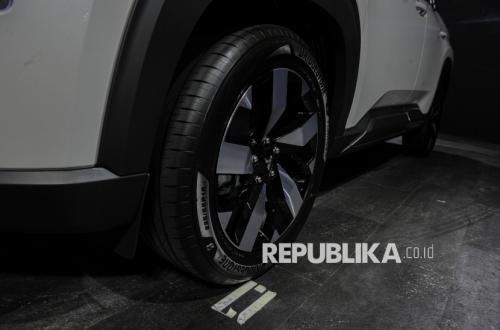
Geopolitical unrest in the Middle East has triggered a surge in oil prices and reduced global oil supplies. In response to this uncertainty, President Prabowo Subianto has once again urged the mass adoption of electric vehicles (EVs). The automotive industry players need to play a role to realise this target.
Experts assess that the energy crisis resulting from the closure of the Hormuz Strait serves as a warning about the vulnerability of national energy resilience amid fluctuations in global oil prices and supplies. The transition to electric vehicles has the potential to become a key strategy for Indonesia to address this issue by reducing dependence on imported fuel oil (BBM).
“Dependence on imported BBM makes Indonesia highly vulnerable to global crises like the current one. This must become a momentum to accelerate the transition to clean energy and electrification, particularly in the transportation sector,” said Executive Director of Satya Bumi, Andi Muttaqien, in his statement on Saturday (4/4/2026).
However, accelerating the transition to electric vehicles will be difficult to realise without the contribution of automotive industry players who have operated in Indonesia for decades. Policy Strategist Coordinator at CERAH, Dwi Wulan Ramadani, added that the BBM crisis should become a momentum for automotive manufacturers to expand the electric vehicle market in Indonesia.
“The role of automakers will be very crucial in helping to accelerate the development of the EV market in Indonesia, of course this requires government support in creating EV demand. With a quick response to the shift to EVs now, we will continue to shed our energy dependence and build stronger energy resilience,” said Dwi.
So far, the government and automotive companies have tended to focus only on downstreaming in the upstream sector, particularly through nickel production and batteries, without being matched by accelerating vehicle electrification on the downstream side. The massive expansion of nickel mining has triggered deforestation, environmental pollution, and social conflicts in various regions, including Kabaena Island in Southeast Sulawesi.
“Aggressiveness in the upstream sector without being accompanied by equity in the downstream will only enlarge the negative impacts on communities affected by the energy transition, without truly delivering its benefits. To date, they have not felt the benefits from electric vehicles, one of which is because automotive companies are still passive in distributing electric vehicles in Indonesia,” said Andi.
In fact, said Dwi, electric vehicles create significant cost efficiency, namely 2-3 times cheaper per kilometre compared to conventional BBM vehicles. This is mainly because electricity prices are more stable than global oil prices. In the long term, reducing the proportion of BBM imports also has the potential to improve the trade balance and reduce energy subsidy costs, which have so far reached 20 percent of the state budget (APBN).
Not limited to private vehicles, Dwi Wulan suggested that electrification is also needed for public transportation. Massive investment in this sector will prevent Indonesia from the risk of shifting energy dependence. Developing electric-based public transportation such as buses, trains, and other mass transit will also be key to ensuring the energy transition is not only low-carbon but also efficient, inclusive, and sustainable.
“The government should develop a national energy resilience strategy that does not only focus on technology substitution but also on reducing energy consumption and improving the public transportation system,” added Andi.
Acceleration to switch to Electric Vehicles in Indonesia must also consider improvements in the upstream sector. Borrowing the principle from the automotive world of “fast but not reckless”. This means that accelerating electric vehicle production must also be accompanied by real commitments and efforts to improve strict natural resource governance to avoid problems.
Andi suggested that the government strengthen environmental and social standards in the supply chain of critical minerals such as nickel, including protection of indigenous peoples’ rights and local communities. The government also needs to encourage transparency and accountability in the development of industrial zones and downstream projects.
“In addition, the government needs to ensure a just transition approach by involving affected communities in decision-making,” said Andi.
Dwi Wulan added that automotive companies also need to have governance commitments. “Manufacturers and investors must implement due diligence practices in the raw material supply chain for vehicles, then ensure the protection of indigenous peoples’ rights, and of course report environmental impacts openly,” emphasised Dwi.
Source: jawawa.id (https://jawawa.id/newsitem/hormuz-strait-crisis-becomes-momentum-for-automotive-industry-to-expand-electric-vehicle-business-1775323568)
Originally published by Republika (https://ekonomi.republika.co.id/berita/tcyotk423/krisis-selat-hormuz-jadi-momentum-industri-otomotif-perluas-bisnis-kendaraan-listrik), translated from Indonesian