
Hormonal Control Technology Offers Fisheries Solution Amid Climate Change
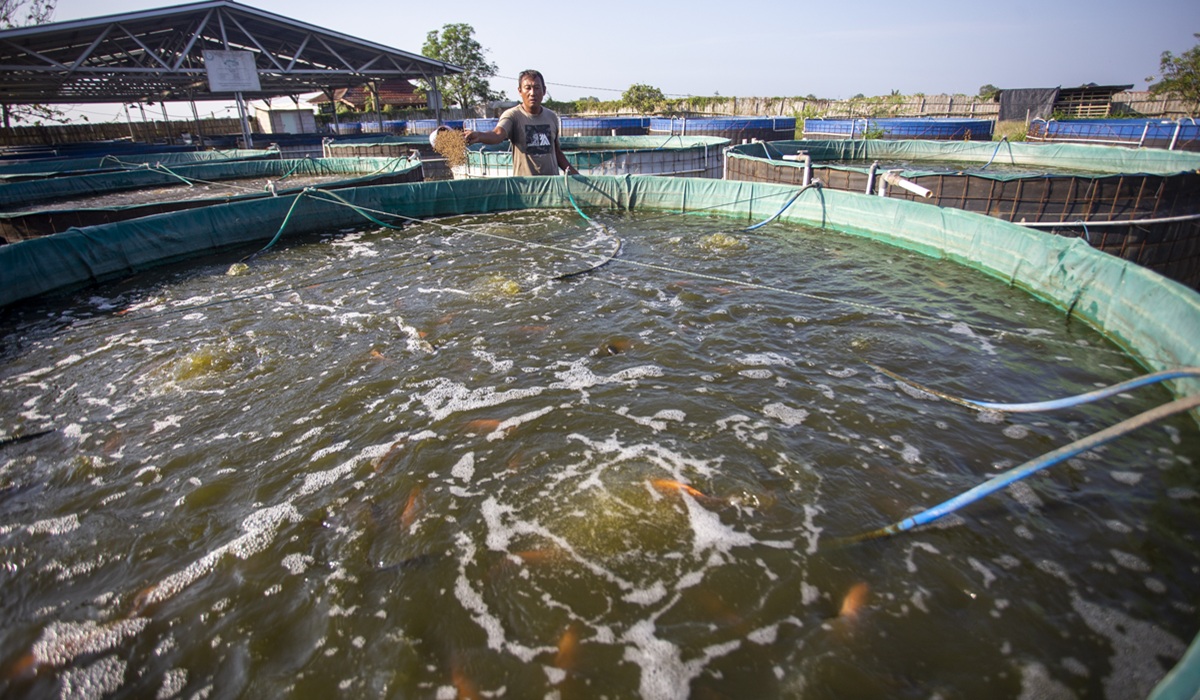
Global climate change, which triggers rising air and water temperatures, has become a serious threat to the aquaculture sector. This phenomenon not only hinders the physical growth of fish but also disrupts reproductive cycles, which are the fundamental foundation of sustainable aquaculture production.
Responding to these challenges, Professor Agus Oman Sudramat, a Professor at the Faculty of Fisheries and Marine Sciences (FPIK) at IPB University, introduced an innovation in fish reproductive hormonal control technology. This solution was presented during the IPB University Professor’s Scientific Oration on Monday (27/6), as a strategic step to maintain seed availability and national protein resilience.
Professor Agus explained that the fish reproduction process is highly dependent on the stability of environmental conditions. Extreme temperature increases due to climate change can inhibit the release of natural hormones within the fish’s body. Consequently, broodstock often fail to reach gonad maturity and are unable to spawn optimally.
“This occurred in 2017 during a long drought, where many aquaculture broodstock in hatcheries failed to reach gonad maturity, thereby disrupting seed production. Ultimately, all environmental influences are responded to by the hormones within the fish’s body,” he explained.
Through hormonal manipulation, these biological barriers caused by external factors can be overcome. This technology allows broodstock to continue reproducing normally even when environmental conditions are unfavourable.
This innovation is no longer exclusive to large industries. Professor Agus emphasised that the hormonal control products resulting from his research are now widely marketed through e-commerce platforms. This allows small-scale farmers to independently increase their business productivity.
He is optimistic that in the next 10 to 20 years, the massive application of this technology will multiply national aquaculture production. With the ability to reproduce throughout the year, dependence on natural cycles can be minimised.
“Reproductive hormonal control is not just a technology to increase production, but also a strategic instrument to strengthen food security, support aquaculture sustainability, and preserve Indonesia’s fishery biodiversity,” he concluded.