
Hopes for Graves No Longer Stacked in Jabodetabek
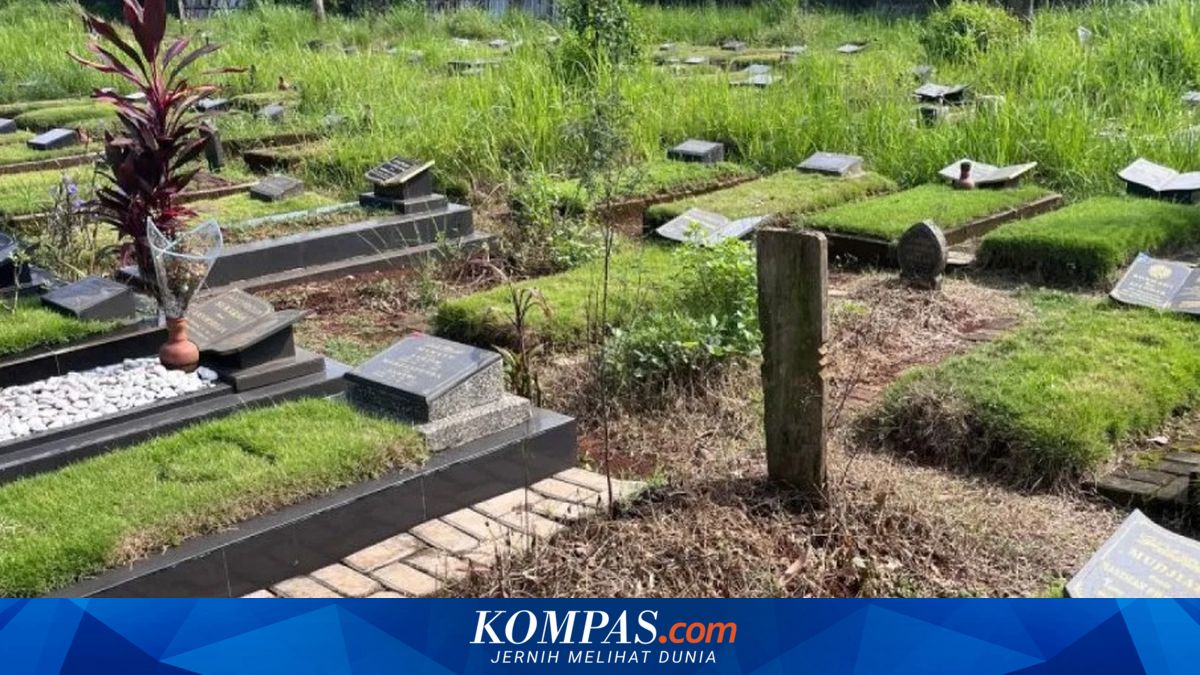
The limited availability of burial land in the Jakarta region and its surroundings is prompting residents to consider the capital’s buffer areas as alternatives. Amid the dense urban space, the need for a proper and compliant final resting place is becoming increasingly difficult to meet. This phenomenon is inseparable from the condition of Public Cemeteries (TPU) in Jakarta, which are increasingly full, while burial needs continue daily. Head of the DKI Jakarta Parks and City Forest Service, Fajar Sauri, stated that efforts to add burial land are often hampered by rejections from residents. “The challenge in adding land is the frequent rejection by residents of the existence of burial land,” he said, quoted from Antara on Thursday (7/5/2026). Currently, Jakarta has 118,348 grave plots with an average of around 100 burials per day. Eleven TPUs are said to still be able to accommodate needs for about three years ahead. Amid these limitations, some residents are beginning to seek burial options in the outskirts of Jakarta, such as Bogor. The concept of planned cemetery based on a memorial park is becoming one of the alternatives eyed by the public. One example is in East Bogor, which offers a burial pattern with more organised spatial planning. At that location, graves are arranged systematically, not stacked, and facing the qibla. He added that the limited land leaves some families with few choices. “When everything is limited, families can only follow the existing conditions. In fact, many actually want a more proper burial process in accordance with sharia,” he said. The cost of burial services in that area starts from around Rp 5 million for basic facilities.