
Hope in the National Internship Programme
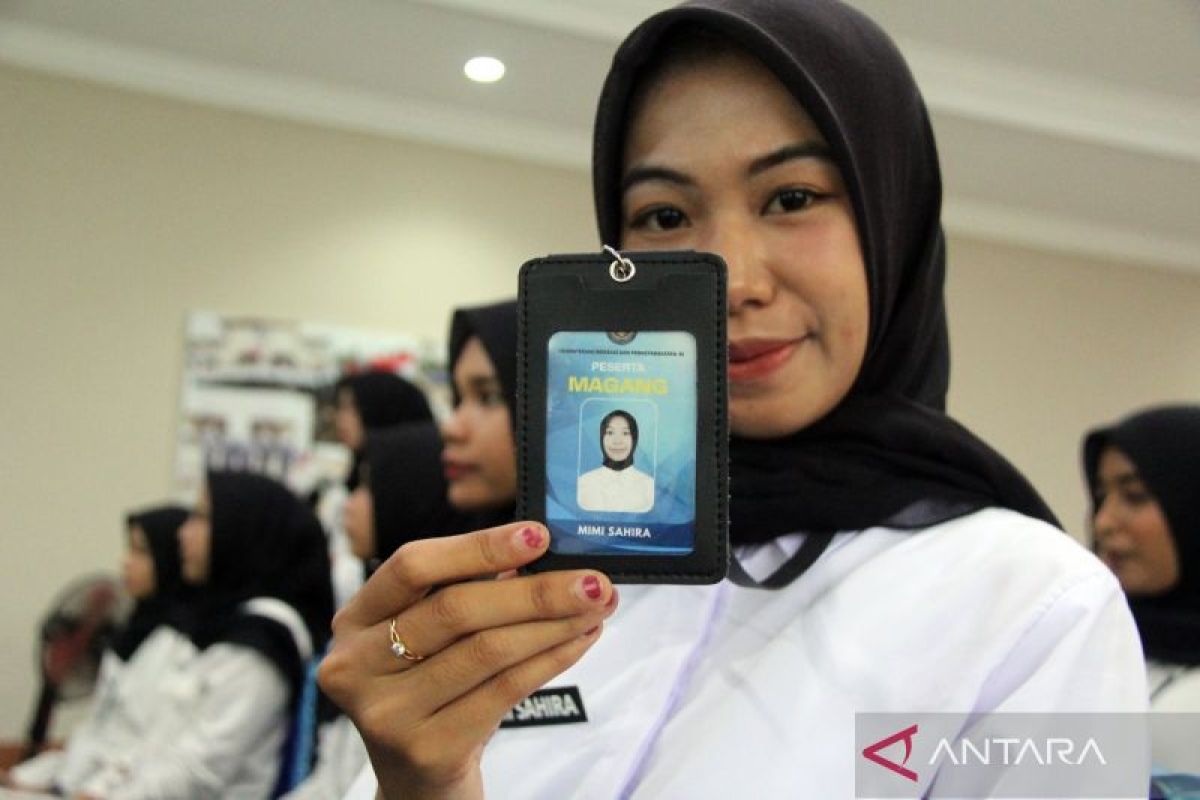
The success of this State Capital Injection (PMN) is not measured by how quickly its quota is filled, but by the magnitude of the opportunities truly created once the internship period concludes.
Jakarta (ANTARA) - How can university graduates enter the workforce immediately without enduring long periods of unemployment? One answer may lie in the National Internship Programme implemented by President Prabowo Subianto’s administration. Entering its second year, the programme has arrived with a much larger scale compared to its initial launch.
The second cohort officially opened on 29 June 2026, with a quota of 150,000 participants, an increase of nearly one and a half times compared to the previous year. Participants will be placed in 8,800 SOEs (BUMN) and private companies throughout Indonesia.
The scheme is relatively straightforward. Diploma, undergraduate, and professional education graduates who have completed their studies within the last year will undergo a six-month internship at partner companies, accompanied by mentors from senior professional ranks. During the programme, participants will receive a monthly stipend ranging from Rp3.5 million to Rp6 million, adjusted according to the minimum wage standards in their respective placement areas.
Compared to the first cohort, this year’s National Internship Programme is also more inclusive. While previously reserved for undergraduate (S1) graduates, the programme is now open to professional education graduates as well as persons with disabilities.
The government has allocated Rp4.2 trillion to fund the second cohort of the National Internship Programme. This budget is part of a total of Rp6.26 trillion prepared for the second semester of this year to reach 420,000 beneficiaries, ranging from interns and vocational training participants for high school/vocational school graduates to workers who have recently been laid off (PHK).
Government optimism is based on the results of the first cohort. From approximately 100,000 participants last year, about 30 per cent, or 30,000 people, have been recruited as permanent employees at their internship companies. Meanwhile, about another 30 per cent are still undergoing the recruitment process. This achievement serves as the basis for the belief that this programme is not merely a ceremonial policy, but a bridge to the professional world that is beginning to show results.
Responses from public policy observers have also been largely positive. The stipend scheme, which is equivalent to the minimum wage, is regarded as a breakthrough that has never been implemented on such a large scale. The policy is viewed as a form of state investment in strengthening the competence of new graduates amidst high rates of educated unemployment.
Some observers even view this programme from a broader perspective as a social investment. If implemented consistently, the programme is considered to have the potential to reduce unrest among the younger generation, which has recently been frequently expressed in digital spaces.