
Honouring Orphans in Muharram: The Basis and Traditions
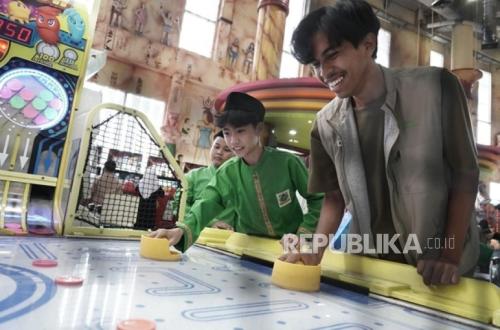
The month of Muharram has long been synonymous with the tradition of providing for orphans. As the 10th of Muharram approaches, various mosques, social institutions, and communities organise sharing activities as a form of care for them. Although there is no provision in Islamic law that designates the 10th of Muharram as a holiday for orphans, this tradition has grown as a practice of Islamic values that encourage the community to honour, protect, and pay attention to the welfare of orphans.
Muharram is one of the four sacred months in Islam. During this month, Muslims are encouraged to increase their good deeds, strengthen social awareness, and enhance their worship of Allah SWT. Meanwhile, attention to orphans holds a special place in Islamic teachings. The Qur’an repeatedly commands Muslims to safeguard the rights of orphans and treat them with compassion.
Allah SWT says in Surah Ad-Dhuha, verse 9, ‘So as for the orphan, do not oppress [him].’
However, scholars explain that there is no specific textual evidence establishing the 10th of Muharram as a holiday or ‘Lebaran’ for orphans. The term ‘Idul Yatama’ is better known as a tradition that has developed within the Muslim community, particularly in Indonesia, as a form of respect for orphans during this sacred month.
Therefore, various activities such as providing compensation, school supplies, tutoring, and educational excursions are widely carried out throughout Muharram. The spirit being built is not merely about giving material assistance, but also about providing attention and affection so that orphans have the opportunity to grow and develop optimally.
The Prophet Muhammad SAW himself was an orphan from an early age. This experience led him to pay great attention to the lives of orphans and to encourage Muslims to care for and fulfil their rights. In a hadith narrated by Bukhari, the Prophet Muhammad SAW said, ‘I and the one who cares for an orphan will be in Paradise like this,’ while joining his index and middle fingers together.
This hadith demonstrates the immense virtue of caring for and accompanying orphans. Concern for them is not only realised through financial aid, but also through education, character building, meeting their living needs, and providing opportunities for them to achieve a better future.
Ahmad Juwaini, Chairman of the Dompet Dhuafa Foundation, said that Muharram should serve as a reminder that orphans need sustained attention, not just temporary assistance. ‘Muharram is a reminder that orphans need not only temporary aid, but also opportunities to grow, learn, and achieve their dreams. Therefore, let us make this noble month a momentum to spread compassion and sustainable care,’ said Ahmad.
According to him, various empowerment programmes must continue to be expanded so that orphans gain access to education, the fulfilment of basic needs, and guidance that enables them to live independently in the future. The spirit of Muharram, Ahmad continued, essentially teaches Muslims to strengthen social solidarity. Care for orphans does not always have to be manifested in the form of money, but can also be done through tutoring, skills training, meeting school needs, or being part of an environment that supports their growth and development throughout the year.