
Hong Kong Offers Tax Relief to Attract Commodity Business Players
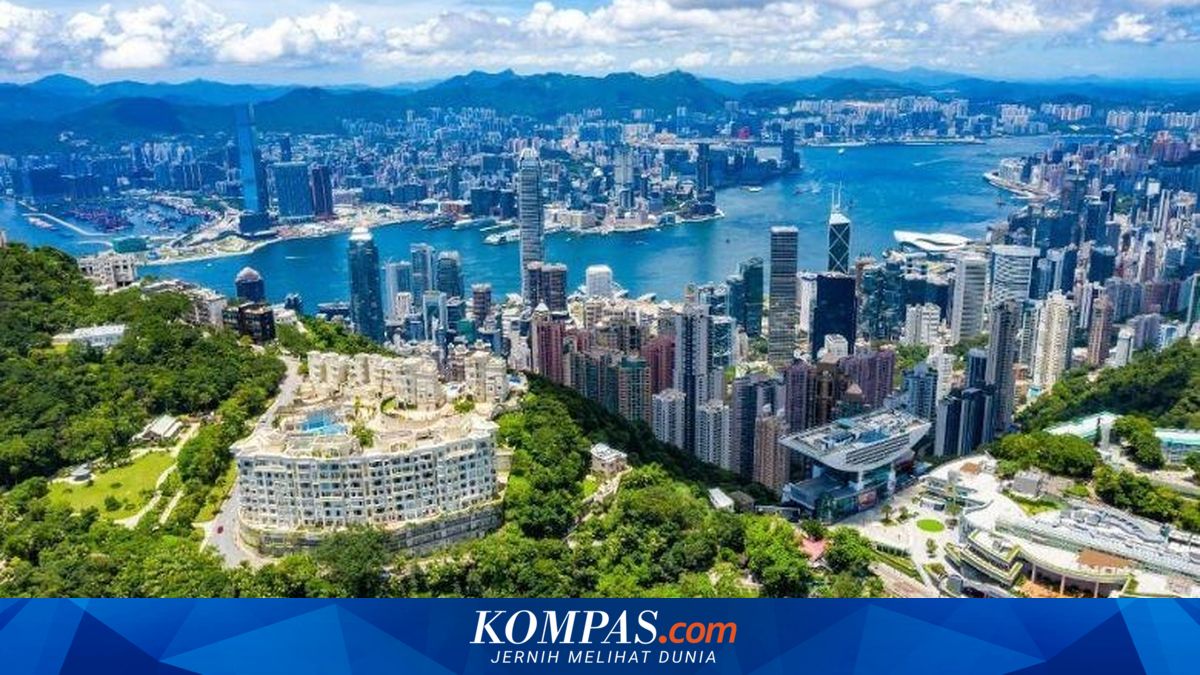
Hong Kong will cut profits tax to 8.25 per cent for physical commodity traders who meet the criteria.
Hong Kong is launching a new tax incentive for commodity traders as an effort to strengthen its position as a regional trading centre and revive shipping activities amid global supply chain disruptions.
The government plans to introduce a concessionary regime for qualifying physical commodity traders, halving the tax rate on their profits to 8.25 per cent from the standard 16.5 per cent for eligible trading activities.
The scheme will cover major sectors including mining commodities and aims to attract global players to establish or expand operations in the city.
The Hong Kong government hopes for an increase in shipping demand, financial services activity, and port utilisation.
Chairman of the Hong Kong Maritime and Port Development Board, Moses Cheng, said commodity trading is an integral part of the maritime industry.
By attracting more traders to Hong Kong, the authorities expect a gradual increase in cargo shipping demand. “By introducing this tax relief, it will boost the volume of cargo shipping activities needed, and that will certainly benefit the maritime industry,” Cheng said, quoted from CNBC on Friday (17/4/2026). He added that Hong Kong has long played a supporting role in global commodity trading by leveraging its strengths in trade finance, shipping services, and legal arbitration.
This continues despite lagging behind established centres like Singapore, Geneva, and London, where major trading companies are headquartered.
The Financial Services Development Council reported that Hong Kong’s participation in commodity trading remains relatively limited compared to other global centres.
Nevertheless, the city ranks among the world’s busiest container ports, despite a steady decline in cargo volume over the past decade as cargo has been diverted to mainland China ports.
The Hong Kong Maritime and Port Development Board reported that Hong Kong handled around 13.7 million twenty-foot equivalent units (TEU) in 2024 and remains one of the world’s busiest container ports.
This trade push comes as the war in the Middle East disrupts commodity flows and raises costs across the global supply chain.
Higher oil prices have sharply increased operational costs for shipping companies.
This is squeezing margins and forcing governments, including Hong Kong, to intervene with temporary support. “The significant rise in oil prices not only impacts the shipping industry but also affects every aspect of world trade,” Cheng said.