
Home Affairs Ministry Urges Regional Governments to Intervene in Curbing Price Hikes
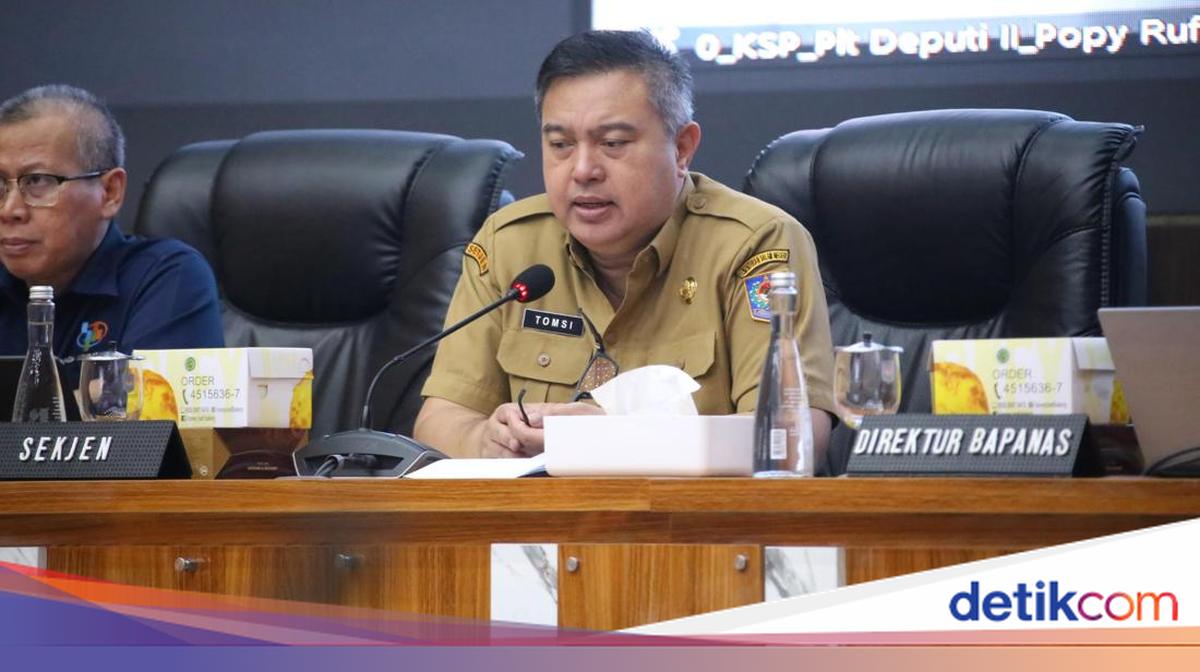
Secretary General of the Ministry of Home Affairs (Kemendagri), Tomsi Tohir, has requested that regional governments together with Regional Inflation Control Teams (TPID) immediately carry out field interventions. This step aims to curb the increase in the Indeks Perkembangan Harga (IPH) for several strategic commodities such as shallots, garlic, red chillies, bird’s eye chillies, rice, and cooking oil.
According to him, swift action is necessary so that the recurring pattern of price increases from year to year can be anticipated through strengthened production, market operations, inter-regional cooperation, and reinforced supply distribution. He stressed that the results of price development evaluations submitted by the Central Statistics Agency (BPS) must be promptly followed up with concrete actions. ‘So, the evaluation from BPS should not just pass without our intervention,’ Tomsi asserted in a written statement on Monday (22/6/2026). He made the statement while leading a hybrid Inflation Control Coordination Meeting from the Kemendagri headquarters in Jakarta.
Based on BPS data for the third week of June 2026, 32 provinces experienced an increase in the IPH. The highest increase occurred in North Sulawesi at 7.91 percent, followed by Gorontalo at 5.72 percent, while North Maluku recorded a 3.74 percent rise. BPS identified rice, bird’s eye chillies, cooking oil, and shallots as commodities requiring attention due to their relatively high price levels. Additionally, red chillies were also among the commodities driving the IPH increase in various regions.
Consequently, Tomsi requested that regional governments together with the State Logistics Agency (Perum Bulog) immediately conduct market operations in areas experiencing rice price increases. He also encouraged strengthening the chilli planting movement and various efforts to maintain the availability of commodity supplies in the regions. On the other hand, Tomsi also highlighted the high price of cooking oil, particularly in Eastern Indonesia. He therefore pushed for strengthened supply distribution so that cooking oil prices in areas still above the Highest Retail Price (HET), especially in Papua, can be brought under control.
According to him, these measures are crucial considering that rice and cooking oil have a significant influence on inflation. ‘Rice and cooking oil have a high coefficient on the inflation figure. A slight increase in their prices contributes significantly to inflation compared to other goods or basic necessities,’ he said. He also noted the IPH increase for garlic, which rose from 173 districts/cities in the second week of June 2026 to 223 districts/cities in the third week.
Given that the national demand for garlic still relies on imports, he emphasised the importance of strengthening the distribution of basic food supplies, particularly for the central and eastern parts of Indonesia. He stated that more efficient garlic distribution would help reduce logistics costs, making prices more affordable for the public. ‘The goods could enter directly through Makassar or Balikpapan, so distribution costs can be cheaper and the price of garlic can be cheaper for the public to buy,’ he concluded.
The coordination meeting was also attended by representatives from various ministries and agencies, both in person and virtually. These included BPS, the National Food Agency (Bapanas), the Ministry of Agriculture, the Ministry of Trade, Perum Bulog, the Indonesian National Armed Forces (TNI), the Indonesian National Police (Polri), as well as representatives from regional governments across Indonesia.
Source: jawawa.id (https://jawawa.id/newsitem/home-affairs-ministry-urges-regional-governments-to-intervene-in-curbing-price-hikes-1782129277)
Originally published by detikcom (https://news.detik.com/berita/d-8542568/tekan-kenaikan-iph-kemendagri-minta-pemda-tpid-intervensi-di-lapangan), translated from Indonesian