
Home Affairs Ministry Urges Local Governments to Optimise Data Collection for Housing Aid Recipients
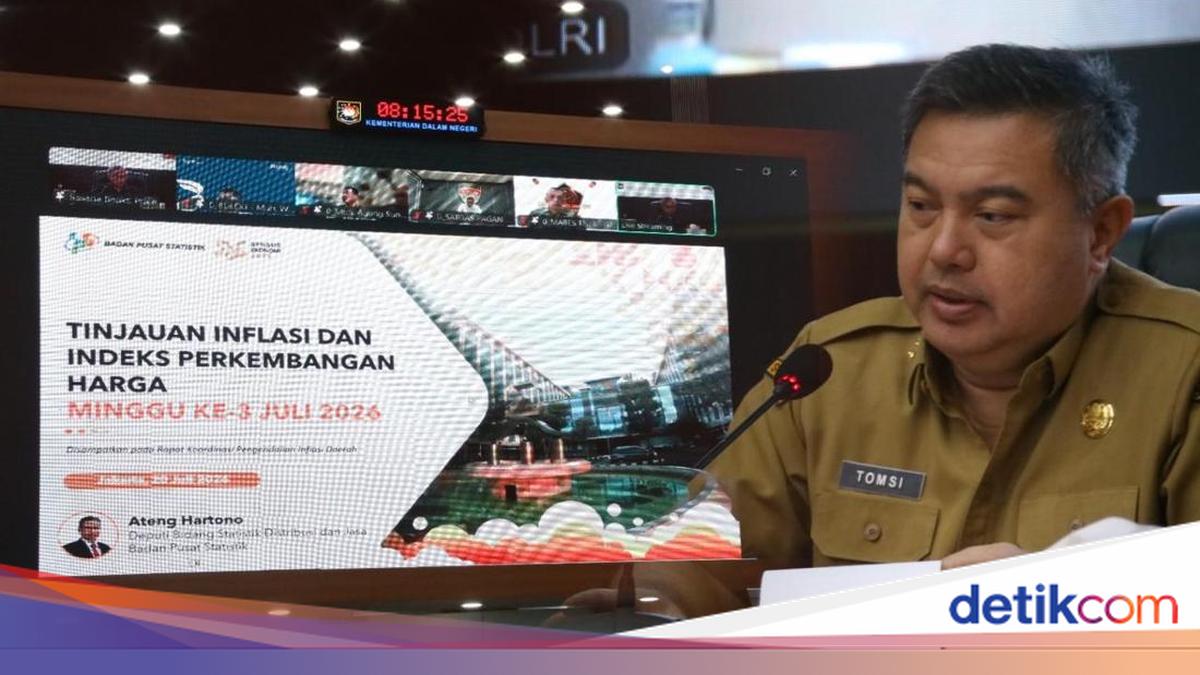
Secretary General of the Ministry of Home Affairs Tomsi Tohir has requested all regional governments to optimise data collection for prospective recipients of the Self-Help Housing Stimulant Assistance (BSPS), or home renovation programme, to ensure it is accurately targeted. He stated that regional governments play a crucial role in guaranteeing the programme genuinely reaches impoverished communities still residing in uninhabitable dwellings.
“Therefore, I urge our colleagues in the regions to present the data next week. For those whose quotas are still insufficient, please ensure that colleagues in the regions are truly responsible for championing their poor communities so their houses can receive the home renovation programme,” Tomsi said in a written statement on Monday (20/7/2026).
He made these remarks during the 2026 Inflation Control Coordination Meeting, which was combined with an Evaluation of Regional Government Support for the 3 Million Houses Programme, held in a hybrid format from the Ministry of Home Affairs office in Jakarta on Monday (20/7/2026).
Tomsi revealed that the process of determining Prospective Aid Recipients in various regions still needs to be accelerated. To date, the number of designated prospective recipients has only reached 124,376 units out of a target of 400,000 uninhabitable homes for 2026. He therefore encouraged regional governments to coordinate with Statistics Indonesia (BPS) to utilise data on the poor from Decile 1 as the basis for determining aid recipients.
Furthermore, he reminded regional governments to prioritise extremely poor communities in the Decile 1 and Decile 2 groups as beneficiaries. According to him, this prioritisation is crucial given that many citizens still live in houses with deplorable conditions and require immediate intervention.
“A few days ago, I toured around and saw very concerning conditions; there were toilets combined with kitchens, houses about to collapse, leaks on all sides, and dirt floors,” he disclosed.
Tomsi expressed hope that regional governments would use the evaluation results to expedite the completion of data collection and ensure that aid is genuinely received by entitled communities. “Hopefully, what we are doing can be beneficial for the people we love,” he concluded.