
Home Affairs Ministry Urges District Governments Nationwide to Complete Village Boundaries
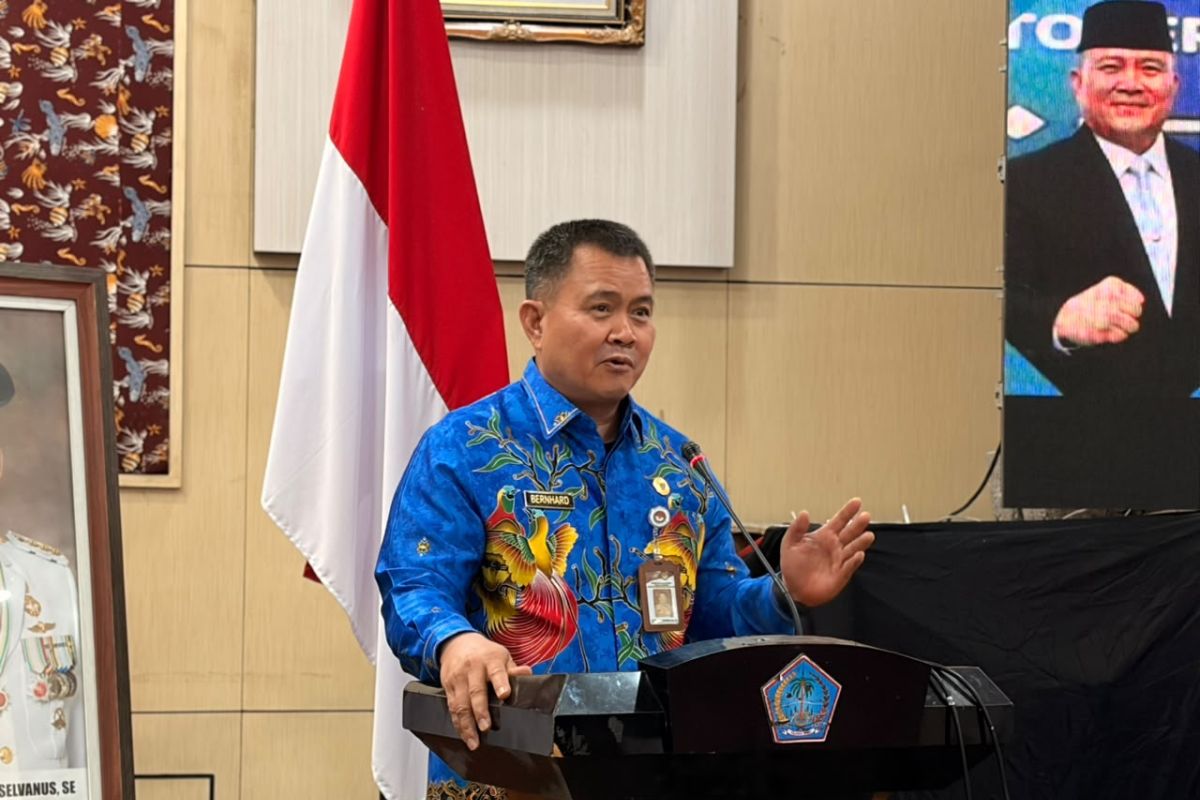
Jakarta (ANTARA) – Bernhard Eduard Rondonuwu, Director-General of Village Government Development at the Ministry of Home Affairs, has urged district governments across Indonesia to complete the formal demarcation of village boundaries.
Bernhard said several districts had completed village-boundary demarcation through the Integrated Land Administration and Spatial Planning Project (ILASPP).
“We are very grateful for the support of the North Sulawesi provincial government. Our ILASPP programme has reached Bolaang Mongondow. So far, 200 village boundaries have been completed. We hope this can serve as a model and encourage other districts to follow suit,” Bernhard said in a statement in Jakarta on Friday.
He stressed that stronger village administration and authority were essential foundations for ensuring development complied with regulations. Villages, he said, needed clear rules so they could manage their potential and powers independently.
“Villages have now become the subject, not merely the object. They have autonomy and the authority to manage their own affairs based on their customary rights and locally scaled village powers. That is the spirit of the Village Law,” he said.
The event was attended by officials from the Community and Village Empowerment Office, as well as village heads, customary village heads known as Hukum Tua, and members of Village Consultative Bodies (BPD) from Bolaang Mongondow and South Minahasa.
Bernhard said substantial work remained to organise village government regulations nationwide. Of Indonesia’s 75,266 villages, only 219—around 6.8 per cent, according to figures presented at the event—had reported their Village Authority Regulations (Perdes Kewenangan Desa) to the Directorate-General of Village Government Development.
A similar situation was evident in North Sulawesi. Of the province’s 1,507 villages, only 219 had reported the regulations.
Bernhard said the low reporting figures should concern local and village governments, since village-authority regulations provide the legal basis for carrying out programmes, managing assets and developing village-owned revenue sources.
“Villages must not draw up their budgets or impose village levies without a legal basis in a Village Authority Regulation. That would be highly vulnerable,” he said.
Under the rules, district governments must draw up a regent’s regulation on village authority, which then serves as a guide for village governments when preparing their own Village Authority Regulations.
Bernhard said the regencies of the Talaud Islands and North Minahasa had yet to draw up regent’s regulations on village authority.
He emphasised that preparing Village Authority Regulations was not simply an administrative obligation. The rules also offered legal protection to village heads and Hukum Tua as they administered their villages and developed local economic potential.
He urged village heads and Village Consultative Bodies not to work separately on regulations, but to reach agreement through village deliberations so that the powers established reflected residents’ needs.
Villages, he said, had opportunities to pursue economic initiatives, including managing village markets and productive assets to increase Village Original Revenue (PADes). However, all activities capable of generating income needed a clear legal basis.
“If a village wants to innovate, manage a village market or impose a lawful levy to raise Village Original Revenue, it must first have a basis in a Village Authority Regulation. Otherwise, it could be classified as an illegal levy,” he said.
Bernhard said the central government was committed to providing guidance to village governments, enabling village heads to carry out their duties and innovate without facing legal problems arising from administrative errors.
Source: jawawa.id (https://jawawa.id/newsitem/home-affairs-ministry-urges-district-governments-nationwide-to-complete-village-boundaries-1793973165)
Originally published by Antara (Indonesian) (https://www.antaranews.com/berita/5837131/kemendagri-dorong-pemkab-se-indonesia-tuntaskan-batas-desa), translated from Indonesian