
Home Affairs Ministry Urges 174 Regional Governments to Refine Data on Housing Aid Recipients
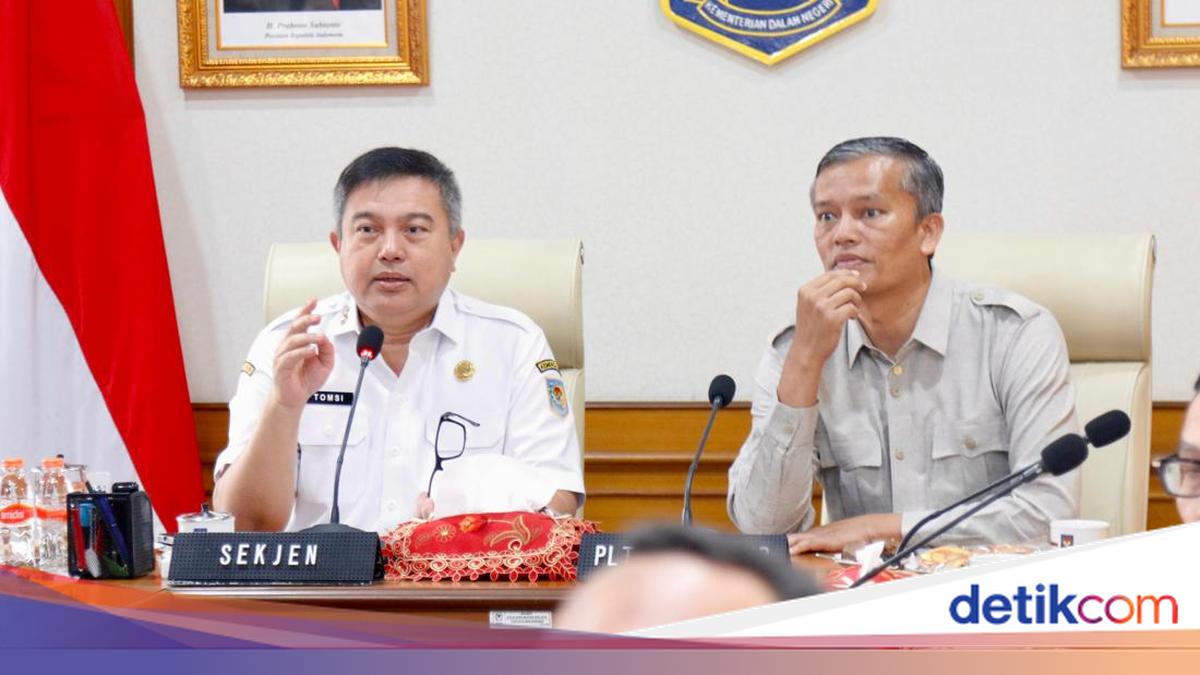
Secretary General of the Ministry of Home Affairs, Tomsi Tohir, has requested 174 district and city governments to immediately refine the proposed data for recipients of the 2026 Self-Help Housing Stimulant Assistance (BSPS) programme in accordance with the established criteria. He stated that this step is necessary to ensure the verification process runs optimally so that aid can be distributed accurately to communities in genuine need. This was conveyed by Tomsi while leading a virtual Coordination Meeting for the Socialisation of the BSPS Programme Recipient Proposals from the Ministry’s headquarters in Jakarta on Wednesday (1/7).
Tomsi explained that the meeting focused on 174 districts and cities that still need to accelerate the refinement of their proposals. According to him, several regions have submitted recipient data, but the verification results show that the number of eligible proposals is still below the available quota. “Colleagues in the regions must add more data on houses to be rehabilitated,” Tomsi said in a statement on Wednesday (1/7/2026).
He added that the BSPS programme, implemented by the Ministry of Housing and Settlement Areas (PKP) in 2026, targets the rehabilitation of 400,000 uninhabitable houses. The aid amounts to Rp20 million per unit, consisting of Rp17.5 million for building materials and Rp2.5 million for labour wages. For the Papua and North Maluku regions, Tomsi noted that the aid is provided at Rp25 million per unit, with adjustments for mountainous areas and small islands.
Furthermore, Tomsi reminded that every proposal must meet all the stipulated requirements. Prospective recipients must be low-income individuals, occupy the only uninhabitable house they own, and have never received government housing assistance in the last 10 years, except for those affected by disasters who received disaster relief assistance. In addition, regional governments are asked to complete administrative documents, photographs of the house condition, and clear addresses to facilitate the field verification process. “We ask for photos and for the address to be made as complete as possible to make it easy to locate,” he said.
To accelerate data refinement, Tomsi requested that regional secretaries immediately coordinate relevant regional apparatus with the Central Statistics Agency (BPS), sub-district heads, village heads, and ward heads to ensure data collection is carried out meticulously according to regulations. He also asked regional inspectorates to provide assistance so that the proposals are truly targeted. Tomsi added that regional governments have until 11 July 2026 to submit additional recipient proposals through a link provided by the Ministry of PKP. The progress of submissions from each region will be monitored periodically as part of efforts to ensure the aid distribution target is achieved.
Finally, Tomsi reminded that the data collection process should not only be oriented towards meeting quotas but must genuinely prioritise the most needy communities. “The teams going down, whether village, sub-district, or ward teams, must be given the emphasis to seriously record those whose houses are truly uninhabitable, our brothers and sisters who are less fortunate or extremely poor,” he stressed.
For information, the meeting was attended in person by the Acting Director General of Governance and Risk Control at the Ministry of PKP, Roberia. Meanwhile, the Director General of Settlement Areas at the Ministry of PKP, Fitrah Nur, along with regional secretaries and officials in charge of housing and settlements from the 174 districts and cities, participated online.