
Home Affairs Ministry stresses urgency of risk mitigation in financial governance
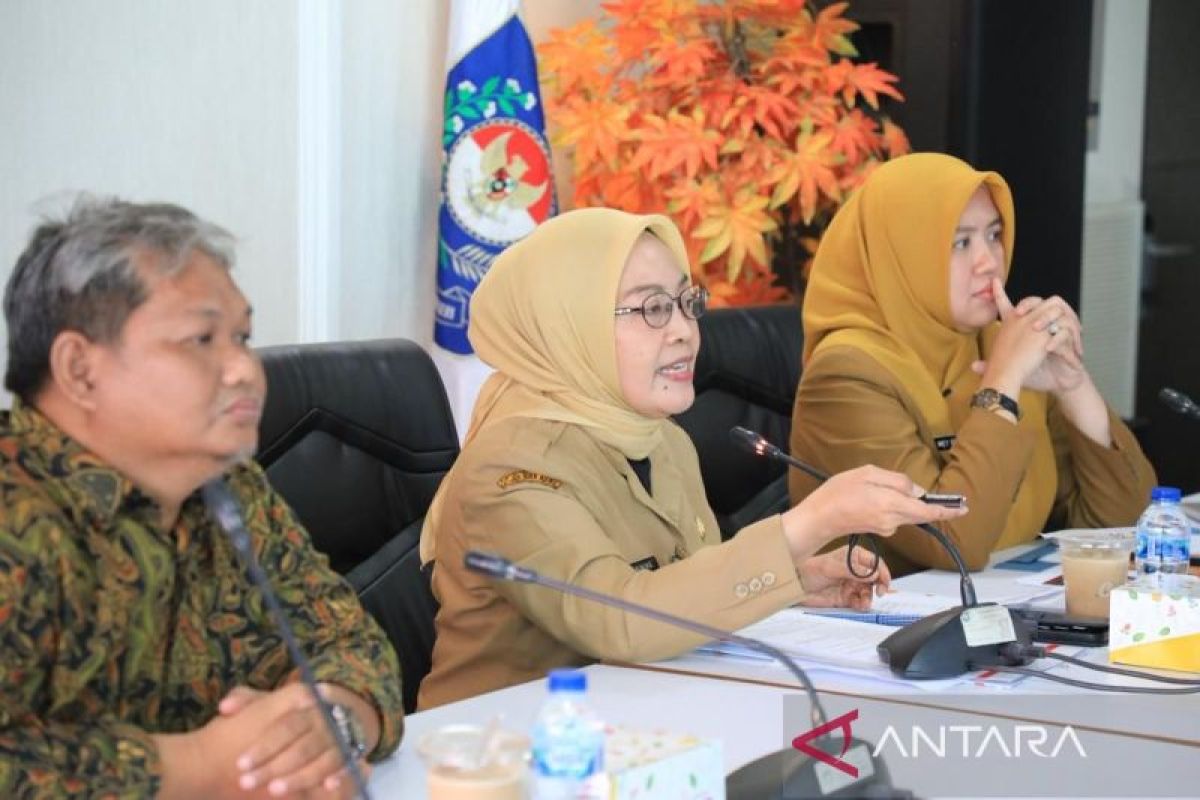
Risk management implementation is not merely an administrative compliance requirement but also a crucial instrument for maintaining the quality of national financial management to ensure it is effective, efficient, and targeted. Jakarta (ANTARA) - Sri Purwaningsih, Secretary of the Directorate General of Regional Administration (Sesditjen Bina Adwil) at the Ministry of Home Affairs, stressed the importance of strengthening risk management to support government financial accountability. “Implementing risk management is not merely a compliance measure but a vital instrument for ensuring the quality of national financial management, making it effective, efficient, and targeted,” said Sri Purwaningsih in a statement on Tuesday in Jakarta. She made the remarks during a meeting on drafting financial accountability instruments through risk management policies held in Jakarta on Monday (25 May). This approach is expected to serve as a guide for identifying, mapping, and mitigating various potential risks that could affect organisational performance and national financial management. She explained that the development of risk-based financial accountability instruments aims to anticipate various risks, including risks of state financial loss, operational risks, reputational risks, and strategic organisational risks. Risks of state financial loss, she added, must be addressed by strengthening internal controls and orderly financial governance to prevent potential misappropriation and inefficient budget use from the outset. Operational risks relate to potential obstacles in programme and activity implementation that could affect organisational targets. Reputational risks are also a key concern, as public trust in government institutions must be maintained through professional and accountable financial management. According to Sri Purwaningsih, the implementation of measured risk management enables organisations to make accurate decisions, enhance monitoring effectiveness, and foster an adaptive, results-oriented work culture. The event also featured speakers from the Financial and Development Supervisory Agency (BPKP), who provided insights on implementing the Government Internal Control System (SPIP) and integrating risk management into government financial governance. Risk management consultants also outlined strategies for developing effective, practical risk instruments aligned with organisational needs to address increasingly dynamic government governance challenges. Through this meeting, all participants are expected to strengthen their understanding, particularly the Finance Section of the Directorate General of Regional Administration, to finalise risk-based financial accountability guidelines. This will lead to more transparent, accountable financial management that supports good governance and high-quality public services.