
Home Affairs Minister urges airlines to hold fares ahead of year-end
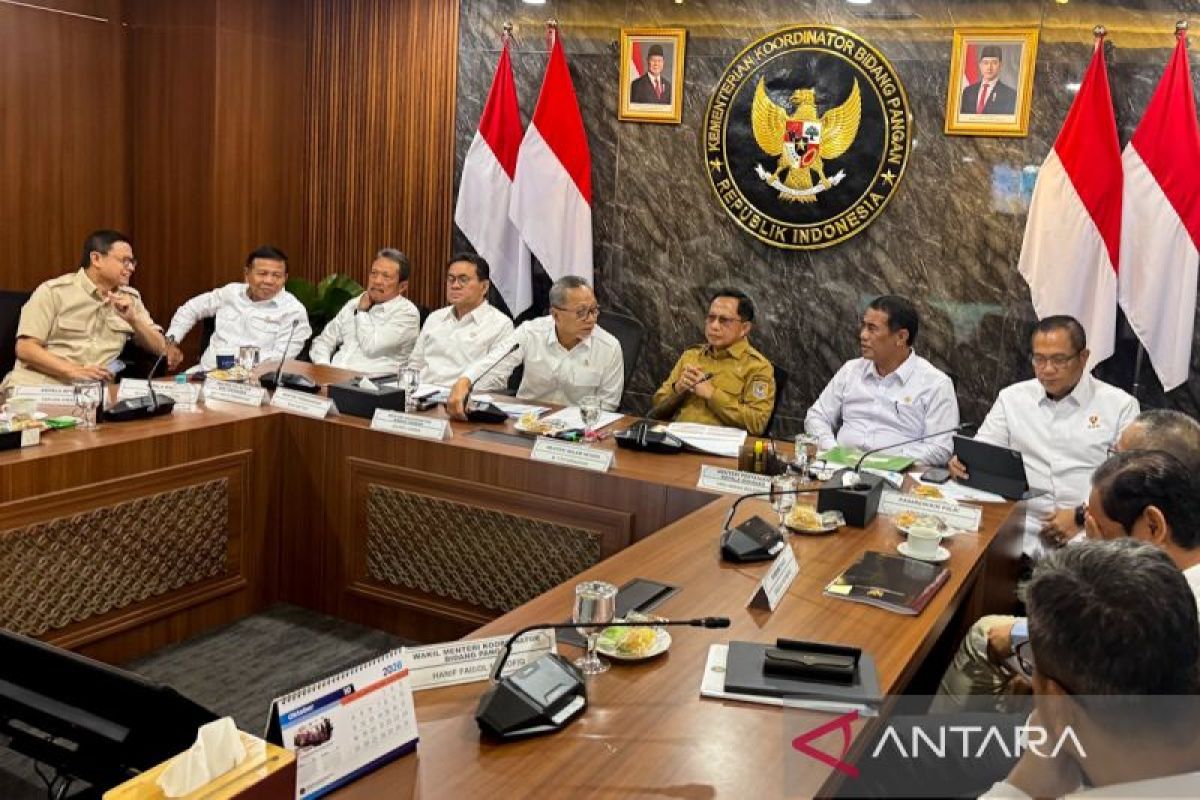
Jakarta (ANTARA) – Home Affairs Minister Muhammad Tito Karnavian hopes airlines will hold airfares ahead of the end of the year, so that increased travel demand does not fuel inflation and transport remains affordable for the public.
Tito asked the Ministry of Transportation, particularly the Directorate General of Civil Aviation, to bring airlines together to discuss fare controls as flight demand rises during the Christmas 2026 and New Year 2027 holidays.
“I am asking the Ministry of Transportation, particularly the Director General of Civil Aviation, to gather airline representatives when demand is high because many people will be travelling at the end of this year. Please do not charge the highest fare, at the upper limit,” Tito said in Jakarta on Monday.
Speaking at a limited food coordination meeting at the Coordinating Ministry for Food Affairs in Jakarta, Tito said he hoped airlines would not set fares at the maximum even as travel demand increased, as this could help maintain national price stability.
He said the rise in passenger numbers would increase aircraft load factors, giving airlines the opportunity to make a profit without charging the maximum airfares.
“Because the load factor—the number of passengers—will certainly increase. So, naturally, there will be more passengers. Please lower airfares if possible,” he added.
Tito said he hoped coordination between the government and airlines would result in balanced fares, allowing people to travel, businesses to grow and national inflation to remain under control towards the end of the year.
“There will still be profit, but they should not maximise it, so that it does not affect inflation,” the Home Affairs Minister said.
Tito said annual inflation in September 2026 was 3.28 per cent, still within the government’s target, and stressed the need to balance the interests of producers and consumers while maintaining economic stability.
“Our year-on-year inflation in September stood at 3.28 per cent. This is still within our target range of 2.5 per cent, plus or minus 1.5 per cent,” he said.
According to Tito, the government sets an inflation target of 2.5 per cent, with a tolerance range of up to 3.5 per cent, to maintain an appropriate balance between producer and consumer interests.
Inflation that is too low can put pressure on the incomes of farmers, fishers and businesses, so producers’ welfare must also be protected through balanced national pricing policies.
Conversely, excessively high inflation could erode people’s purchasing power, particularly among low-income groups. The government is therefore seeking to keep price increases within its national target range.
The government also recorded a 0.30 per cent increase in monthly inflation from August to September, driven mainly by the food and beverage group.