
Home Affairs Minister Tito Stresses Integrity as Key to Preventing Corruption Among Regional Heads
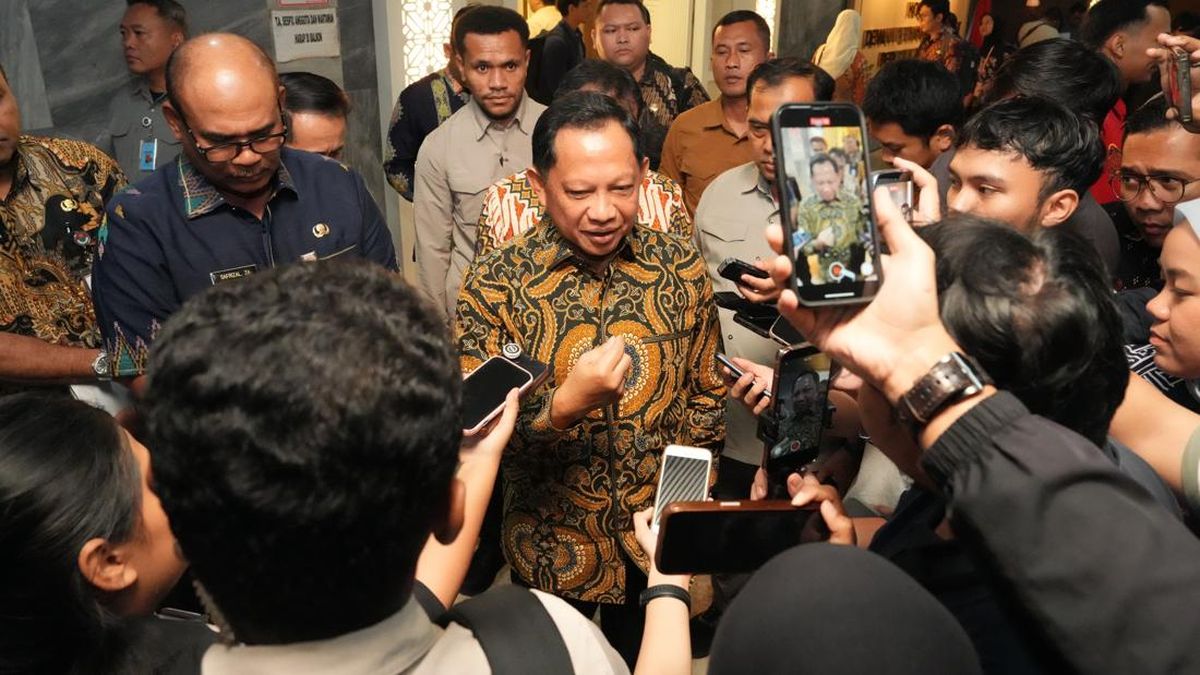
Home Affairs Minister Tito Karnavian has stressed that preventing corruption among regional heads cannot rely solely on supervisory functions. He stated that these efforts must be combined with strengthening governance and, most importantly, the integrity of each regional leader as the primary key to preventing corrupt practices. The statement was made following a working meeting and hearing with Commission II of the House of Representatives at the Parliamentary Complex, Senayan, Jakarta, on Thursday. According to Tito, a combination of a strong oversight system and the integrity of regional officials will form a crucial foundation for curbing the potential for corruption. “What we can do for these regional heads is, first, we conduct a retreat. The aim is to strengthen their nationalism and integrity. We also provide initial briefings, including from the KPK who are present to give input, and the BPKP also provides input,” Tito said. He further clarified that regional heads hold a different position from officials in a command system because they are directly elected by the people. Therefore, the approach to guidance is more directed at strengthening the system and improving the capacity for governance. Tito explained that the Ministry of Home Affairs has built various oversight instruments, including the Regional Government Information System, guidelines for the Regional Revenue and Expenditure Budget, and a regional financial supervision system. In addition, the government, together with the KPK and the Attorney General’s Office, is developing a corruption prevention system through Monitoring, Controlling, Surveillance for Prevention. Despite these measures, he cautioned that any system can be manipulated on the ground. “But all these systems can be circumvented in the field. There is gratification and so on. So, this comes back to the integrity of each regional head,” Tito added. On the same occasion, Tito also highlighted the issue of high political costs in regional head elections, which often becomes a crucial problem. He believes this condition needs to be addressed with breakthroughs, one of which is a proposal to increase the operational budgets for regional heads based on a percentage of the increase in locally generated revenue. This would incentivise regional heads to improve fiscal performance without burdening the public. “But this needs a study first. It requires discussions between ministries and government agencies, and if necessary, also with the DPR. Because this is an important decision,” he concluded.