
Home Affairs Minister Tito Karnavian Reveals Education Costs in Singapore Are Cheaper Than in Indonesia
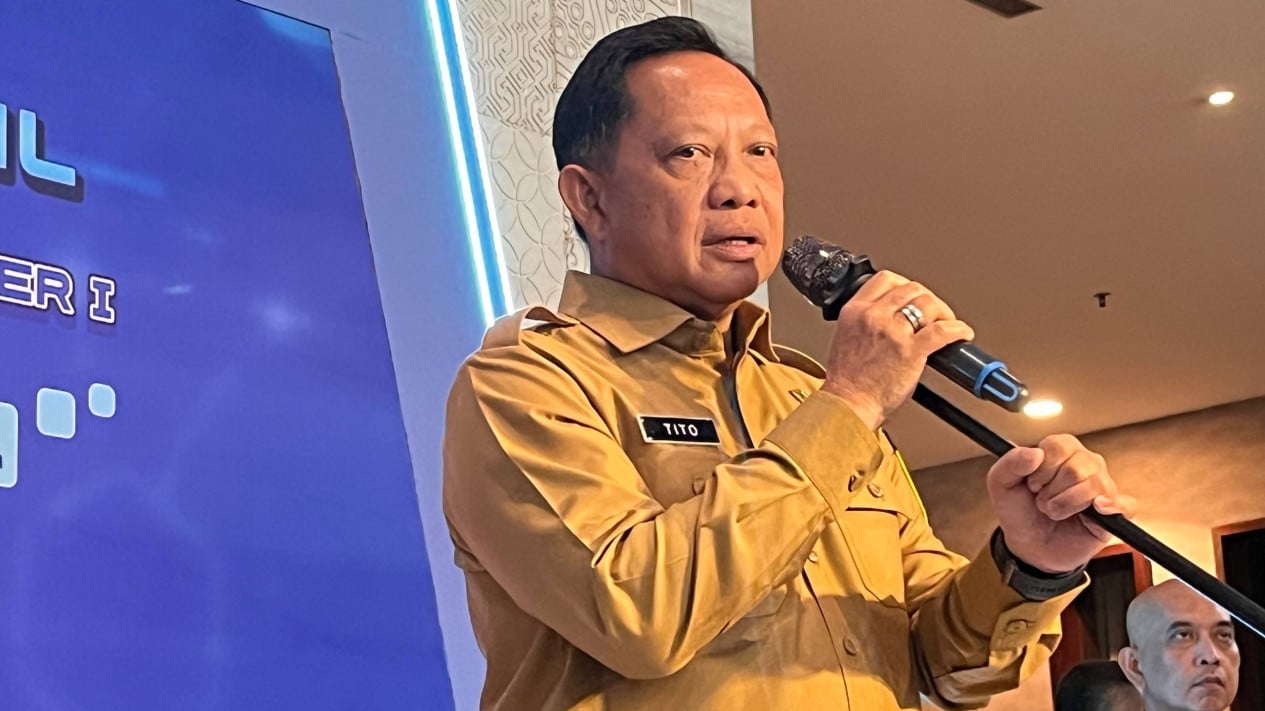
Jakarta, VIVA – Home Affairs Minister (Mendagri) Tito Karnavian has highlighted the high cost of education in Indonesia, which he described as expensive compared with neighbouring Singapore.
Tito made the remarks at the National Coordination Meeting (Rakornas) for Civil Registration and Population Services and the Release of Population Data for Semester I of 2026, held on Monday, 3 August 2026.
“I’m not praising Singapore here, it’s just my experience. Honestly, I felt it was cheaper to send my children to school in Singapore compared to Jakarta,” Tito said in his address.
Tito went on to describe his experience of sending his three children to school in Singapore. According to him, the financial burden of education there felt considerably cheaper.
He then detailed the school costs for his children when they attended one of the popular schools in the South Jakarta area.
“I calculated one child at Rp1.6 million. Three children, Rp4.8 million. I had to give them pocket money of Rp50,000 per day, so that’s Rp150,000 for three. Because the school was far from home, and I couldn’t drive them myself since I also needed the vehicle, I had to buy vehicles for my three children. Then there’s the need for a driver, paying the driver. Petrol too, right? So the calculation was 4.8 (million) plus a driver, plus buying cars, plus petrol — it all adds up,” he explained.
Tito then compared this with his expenditure when he pursued his doctorate in Singapore in 2008.
He said the Singaporean government applies quality standardisation in education. This, he noted, made it easier to implement a zoning system through a digital public service portal.
“So once everything is standardised, they use a zoning system. We simply emailed, entered our details into the public service portal, and my child there was assigned to the nearest school to our home. The school was subsidised. I remember paying exactly 100 dollars per month. At the time, the exchange rate was still Rp6,000, back in 2008. So it was only Rp600,000. Whereas at the previous place, in Jakarta, it was 1.6 (million),” he said.
“And then they walked to school, since it was only five or seven minutes away, so they were healthier. No need to buy cars. No need for a driver. No need for petrol. Because it was genuinely cheap. So the point is, with the right technique, the right approach, it can be cheaper,” Tito concluded.