
Home Affairs Minister Opens North Sulawesi Musrenbang, Urges Regions to Absorb Priority Programmes
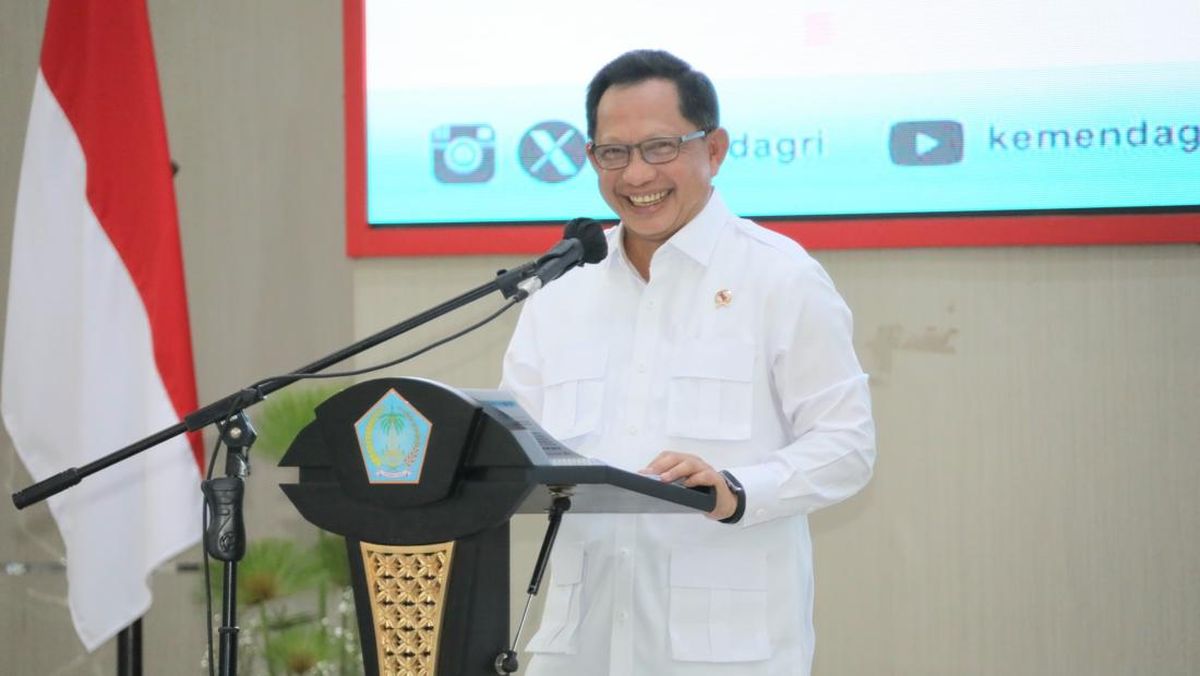
Home Affairs Minister Muhammad Tito Karnavian opened the Musyawarah Perencanaan Pembangunan (Musrenbang) for the 2027 Provincial Medium-Term Development Plan of North Sulawesi at the Mapalus Building, Office of the Governor of North Sulawesi, on Thursday (9/4). This event serves as a forum for aligning regional development plans with national priorities.
In his address, he urged local governments in North Sulawesi to seize and optimise central government priority programmes. He deemed this approach essential so that the benefits of development can be directly felt by the community.
Based on data from the Ministry of Home Affairs, North Sulawesi Province’s fiscal capacity is in the medium category. This condition indicates a balance between Locally Generated Revenue (PAD) and central transfer funds, making opportunities for utilising national programmes quite open.
Tito emphasised that optimising central programmes can be an effective strategy to strengthen regional development performance. In addition to providing direct benefits to the community, this approach is also seen as capable of supporting improvements in regional fiscal capacity.
“Just one of the President’s programmes, the Housing Programme, can provide many benefits to leaders and policymakers, both the Governor and the Regents/Mayors,” he stated in a written remark on Thursday (9/4).
Besides the housing sector, there are several other priority programmes that can be utilised by local governments in North Sulawesi. The current government’s main focus includes strengthening food security, the Free Nutritious Meals programme, and the development of Red and White Village/Urban Ward Cooperatives.
The education and health sectors are also major concerns through initiatives such as People’s Schools, Garuda Excellent Schools, and the rehabilitation of educational facilities. In the health sector, the central government has prepared the Free Health Check programme targeting the wider community directly.
For coastal areas, the government provides programmes for developing fishing villages and strengthening the national salting sector as an economic driver. The Home Affairs Minister stressed that success in capturing these programmes will be an indicator of the creativity of regional heads in developing their areas.
The utilisation of national programmes is also viewed as one effective strategy to indirectly increase PAD. Through support for physical development such as people’s housing, local governments can stimulate economic growth in the property and services sectors.
One form of support that local governments can provide is by simplifying the licensing process for the private sector. Bureaucratic efficiency is believed to encourage investment interest, which will ultimately contribute to regional levies and taxes.
The existence of Public Service Malls (MPP) can be an important instrument in accelerating the licensing process. With an integrated service system, the public and business actors can access various services in one place.
According to Tito, licensing ease will encourage private sector participation in regional development. Such activities can ultimately increase regional revenues through taxes and levies.
“The Public Service Mall is a one-stop system. All public services are there. This is a good idea, to make licensing quick too,” he asserted.