
Home Affairs Minister and Housing Minister Discuss Handling of Homes Damaged by NTT Earthquake
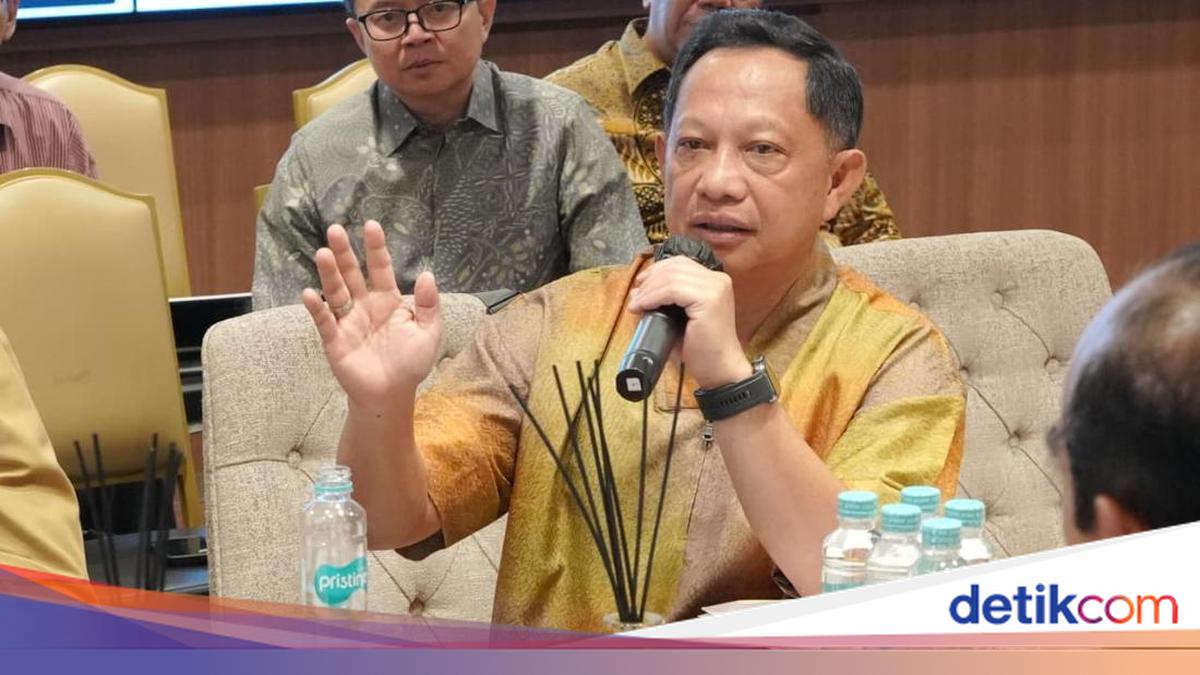
Home Affairs Minister Muhammad Tito Karnavian and Minister of Housing and Residential Areas Maruarar Sirait have discussed the handling of homes damaged by the earthquake in East Nusa Tenggara. The response involves various related parties, including the National Disaster Management Agency and property developers.
Tito made the remarks while attending a joint meeting with Housing Minister Maruarar Sirait at the Ministry of Housing office in Jakarta on Thursday (20/8/2026).
“Specifically on the housing issue, apart from the National Disaster Management Agency and the Ministry of Housing, we can also be assisted by the developers,” Tito said in a written statement on Friday (21/8/2026).
The government is continuing to collect precise data on the number of damaged homes, divided into categories of heavily damaged, moderately damaged and lightly damaged. The Home Affairs Minister said that almost all handling of housing damage will use an in situ scheme, meaning the rebuilding process will be carried out directly on the land where the homes were affected by the earthquake.
He added that around eight districts in East Nusa Tenggara were affected by the earthquake. Damage occurred to homes, government buildings, schools and other public facilities such as roads and bridges. Reconstruction of homes cannot yet be carried out immediately because a number of areas are still experiencing tremors. Rebuilding will be carried out once conditions are deemed stable, with support from multiple parties.
“Even home repairs cannot be done now because conditions are still shaking. Later, once it stabilises, reconstruction can be carried out,” he explained.
Tito also stressed the importance of data collection as the basis for handling and reconstructing affected residents’ homes. Data collection is being carried out by name and by address, involving village heads and sub-district heads as well as the regional Statistics Indonesia offices. The data collection also needs to use technical guidance from the National Disaster Management Agency regarding the classification of light, moderate and heavy damage based on the impact of the earthquake.
“Now is the time for data collection. Although it will develop later, because what was previously lightly damaged may now become moderate or heavy due to aftershocks. So this data collection must really make use of village heads, sub-district heads, and be by name and by address,” he said.
In addition to handling housing, Tito stressed that meeting the basic needs of people still living in tents is also a priority. The government needs to ensure the availability of food, drinking water, tents, clothing, blankets and medicines, including anticipating the needs of displaced people over the next three to four weeks.
“As for entry points, apart from the land routes mentioned earlier, almost all are now open, so the mobility of people, goods and aid can enter more quickly,” he concluded.
For additional information, the meeting was also attended by Minister of Agrarian Affairs and Spatial Planning/Head of the National Land Agency Nusron Wahid, officials from the Central Executive Board of Realestat Indonesia, as well as representatives of various property development companies.