
Home Affairs Minister: 97 Percent of Temporary Shelters in Sumatra Post-Disaster Built
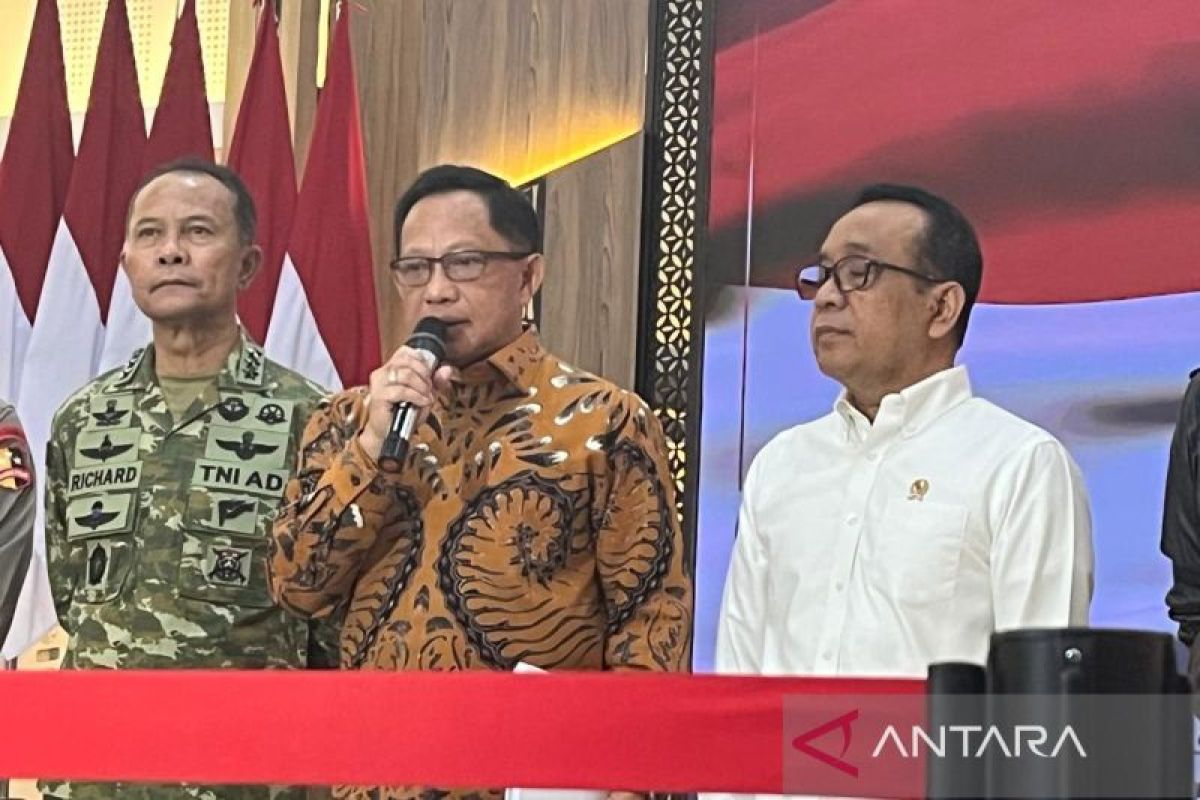
Jakarta (ANTARA) - Home Affairs Minister Tito Karnavian stated that post-disaster recovery progress in several regions of Sumatra shows relatively good results, with 97 percent of temporary shelters (huntara) having been built. “There are several positive aspects, including the huntara which are 97 percent built, I checked for the last time yesterday,” Tito Karnavian said at the Coordinating Ministry for Human Development and Culture, Jakarta, Thursday. The Head of the Task Force for the Acceleration of Post-Disaster Rehabilitation and Reconstruction (PRR) in Sumatra said the recovery progress is evident from various indicators in the sectors of governance, health, education, infrastructure, and the provision of temporary shelters. In the governance sector, Aceh Tamiang Regency, which had previously experienced operational disruptions due to the impact of mud after the disaster, has now returned to normal operations. Only a few village offices remain heavily damaged and still require repair. In the health sector, Tito explained that all hospitals in the three affected provinces are now 100 percent operational. Meanwhile, most community health centres (Puskesmas) have also resumed serving the public, although some facilities still need improvements. In the education sector, the learning process has fully resumed. Of the 4,922 schools affected by the disaster, the majority have been repaired and are back in use for teaching and learning activities. However, some schools are still operating in emergency facilities because their buildings suffered severe damage or were completely destroyed by landslides and floodwaters. “Then there are also those sharing other school buildings, approximately 34 schools if I am not mistaken, especially in Aceh, out of the 4,922 schools. This means there is still work to be done. Then there are those in tents,” he said. For the infrastructure sector, national roads and bridges have generally returned to 100 percent functionality. However, there are still a number of local government roads and bridges that require further handling. Some road sections that had previously been repaired suffered damage again due to high-intensity rainfall that continues to occur in several mountainous areas of Sumatra. Electricity supply has also been almost completely restored, except in a few villages where road access remains cut off. To support communities in these areas, the government has provided generators and satellite-based internet services. Tito emphasised that one of the significant achievements in post-disaster management is the provision of temporary housing for affected residents. “In West Sumatra, no residents have been living in tents for almost two months now. In North Sumatra, tents briefly reappeared due to subsequent flooding in Central Tapanuli, but that has now been handled,” Tito said. Going forward, the government will focus on accelerating the rehabilitation and reconstruction of permanent infrastructure, particularly local roads and bridges that have not yet been addressed. “So our main priority going forward is to make the infrastructure permanent, roads, bridges, local bridges, local roads that have not been touched must be worked on, whether by the regional government or taken over by the central government,” he said.