
Hollow Old Trees Serve as Best Refuges for Wildlife Against Climate Change
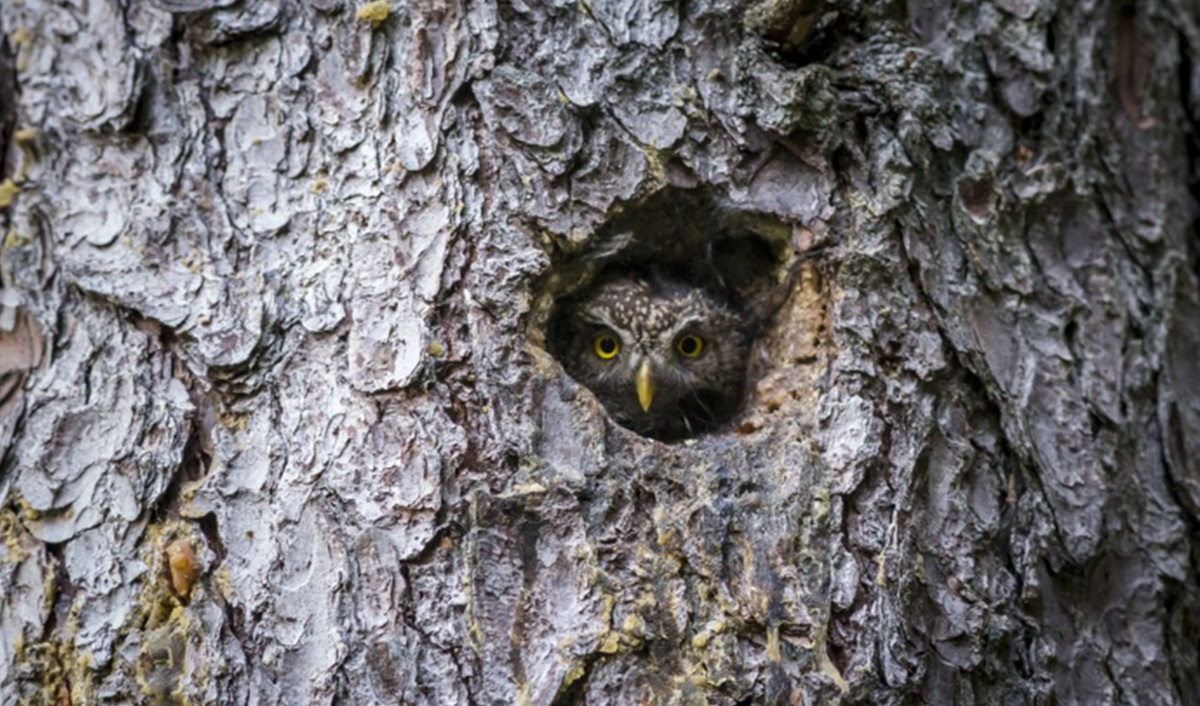
Amidst the increasing frequency of heatwaves and extreme weather caused by climate change, natural structures such as hollow old trees have proven to play a vital role in the survival of wildlife. Latest scientific research shows that cavities in old trees act as the best shelters, providing stable environmental temperatures amidst increasingly uncertain climatic conditions.
Old trees, which are often considered unproductive within forest ecosystems, actually hold extremely important ecological functions. Natural cavities formed due to age, decay, or micro-organism activity create specific microclimates capable of buffering extreme temperature spikes from the outside.
Microclimate measurement data shows that temperatures inside the hollows of old trees remain much cooler during scorching midday heat, and feel warmer when environmental temperatures drop sharply at night. The thick layer of wood surrounding the cavity functions as an effective natural thermal insulator to retain heat.
This stable microclimate condition is crucial for various species of small mammals, birds, reptiles, and insects that are vulnerable to thermal stress. These animals utilise tree cavities as nesting sites, resting places, and nurseries, while also seeking refuge from predators and bad weather.
Despite their high ecological value, the population of hollow old trees in various forest areas continues to decline drastically. Conventional forest management practices and logging often target or clear old trees because they are deemed at risk of falling or are considered to reduce land efficiency.
Researchers emphasise that land clearing and the loss of large-sized trees cause wildlife to lose their natural defensive bastions. Without the presence of these protective cavities, the risk of wildlife mortality due to exposure to extreme heat is predicted to increase significantly as global warming continues.
These findings carry an important message for environmental conservation policies and sustainable forest management. The protection of large, old trees must become a top priority in efforts to mitigate the impacts of climate change on biodiversity.
Allowing old trees to remain standing in their ecosystems is not merely about preserving ancient vegetation, but about providing irreplaceable climate protection infrastructure for the survival of various types of wildlife in the wild.