
HNW Laments Hanania Travel Case, Demands Pilgrims' Rights Be Met
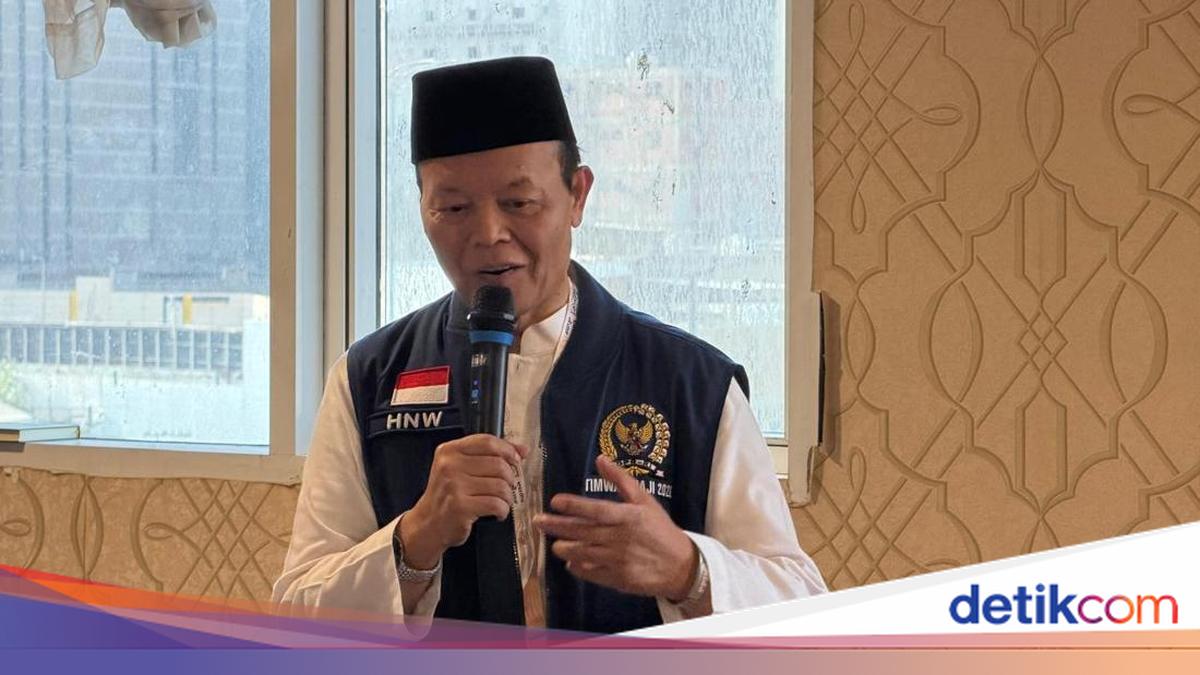
Deputy Speaker of the People’s Consultative Assembly (MPR) and House of Representatives Commission VIII member Hidayat Nur Wahid (HNW) expressed concern over the recurrence of the Hanania Travel case, which has left thousands of prospective umrah pilgrims unable to travel. The estimated financial loss in the case exceeds Rp60 billion.
HNW stated that the incident should serve as a catalyst for the consistent implementation of Law No. 14 of 2025 on Hajj and Umrah, particularly regarding pilgrim protection and government responsibilities in organising umrah.
He explained that under the new law, Umrah Travel Agencies (PPIUs) are responsible for protecting pilgrims from before departure, during their stay in Saudi Arabia, and upon return to Indonesia. Additionally, non-independent umrah arrangements fall under government responsibility as stipulated in the law.
‘We deeply regret the recurrence of this tragedy. Under the new law, the Ministry of Hajj and Umrah must actively seek solutions and push for compensation or reimbursement for pilgrims as mandated by Article 97 of Law No. 14 of 2025. This could include service replacements or full refunds,’ Hidayat stated on Saturday, 30 May 2026.
HNW stressed that strict sanctions must be imposed on proven violators to serve as a deterrent. Administrative penalties up to licence revocation can be applied to PPIUs, while business owners may face criminal charges under applicable laws.
The PKS politician also noted that Law No. 14 of 2025 grants the Hajj and Umrah Minister authority to oversee, monitor, and evaluate the management of special hajj and umrah services.
‘Thus, he urged the Ministry of Hajj and Umrah to treat the Hanania Travel case as a critical lesson and regularly publish a list of PPIUs that meet service and pilgrim protection standards,’
‘The presence of an official list would assist the public in obtaining credible references before selecting an umrah travel agency,’ he said.
‘The state must provide official and easily accessible information on registered, compliant, and accredited PPIUs, amid numerous influencer advertisements and testimonials. This would give the public stronger guidance before entrusting their funds and religious obligations to specific providers,’ he stressed.
Beyond government oversight, HNW highlighted the importance of public participation. He reminded that Law No. 14 of 2025 allows citizens to report suspected violations and guarantees protection for whistleblowers.
‘Therefore, pilgrims reporting this case should not feel isolated or intimidated. They are exercising their legally protected rights, and the state must ensure their protection,’ he said.
During the statement, HNW also addressed the role of influencers and public figures promoting umrah services. He said promotions must be professional and transparent to avoid misleading the public.
‘Influencers must disclose whether their content is purely personal opinion or part of a brand partnership. If there is a collaboration, the content should be positive but still professional to avoid misleading potential consumers when the company’s actual condition differs from the promotion. This may have occurred in the Hanania Travel case and must not happen again,’ he said.
HNW stressed that a primary aim of the new Hajj and Umrah law is to strengthen pilgrim protection to prevent recurring fraud and failed departures.
Therefore, he urged the government to intensify public awareness of the law’s provisions so citizens understand their rights, umrah travel operators fulfil their responsibilities responsibly, and the government can optimally carry out oversight functions.
‘The new law clarifies the Ministry of Hajj and Umrah’s obligations while strengthening pilgrims’ rights to protection, quality service, and clear complaint mechanisms. It also defines rights and sanctions for umrah travel operators. Widespread dissemination is crucial to prevent such cases from recurring,’ Hidayat concluded.