
HMNS's Spirit of Generosity in Distributing Sacrificial Animals to Maluku and East Java Communities
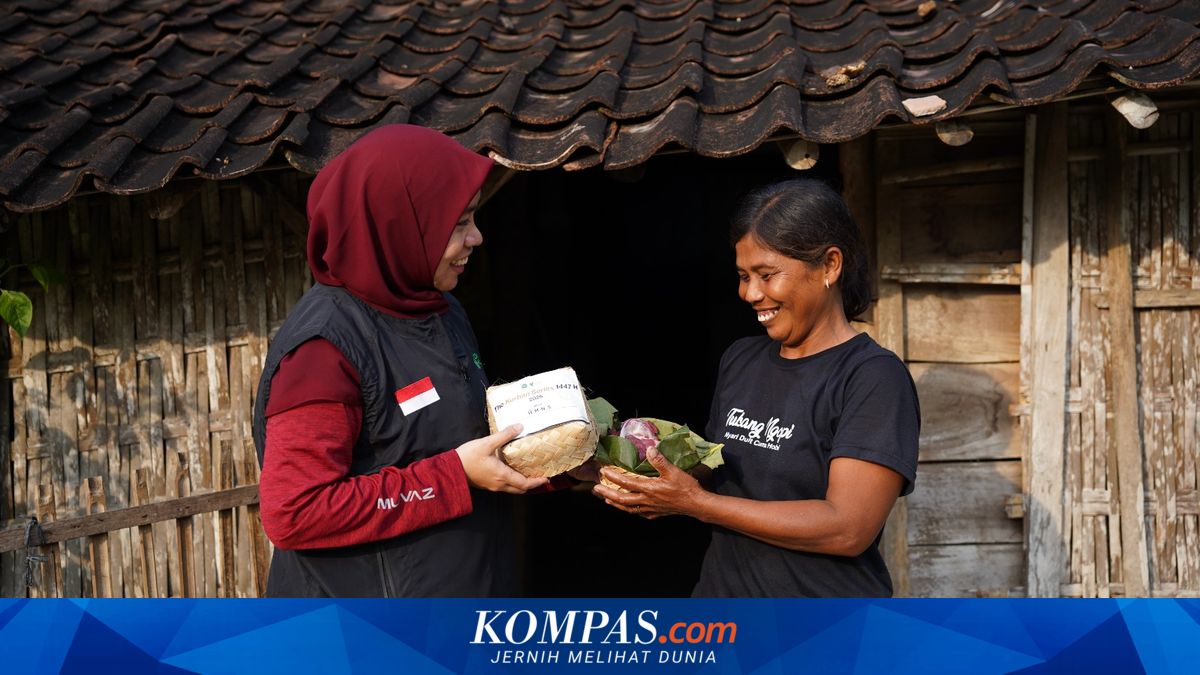
The atmosphere of togetherness immediately filled the air as hundreds of residents from Desa Jepang in Margomulyo District, Bojonegoro Regency, gathered enthusiastically at the village square. This year’s Iduladha 1447 Hijriah celebration held deeper meaning for them.
They divided tasks: some dug pits for drainage, others assembled sturdy wooden posts for skinning. The spirit of mutual cooperation was palpable.
This year’s Dompet Dhuafa Tebar Hewan Kurban (THK) programme 2026 brought a new narrative through its partnership with renowned local perfume brand HMNS, which entrusted its sacrificial animals to communities across various regions.
Among the crowd stood Mrs. Sulasih, her face beaming with uncontainable joy. As a beneficiary in Desa Jepang, the arrival of 11 HMNS-sourced goats felt like a response to her family’s long-held prayers.
In such remote areas, savouring fresh meat is a rare occurrence, happening only once a year.
“Having this much sacrificial meat feels luxurious. I’m so grateful to HMNS and Dompet Dhuafa for remembering us in the far-flung villages. This aid has brought our community closer together,” Mrs. Sulasih said.
From behind the village’s bamboo grove, the sounds of HMNS’s sacrificial goats echoed. Each animal was led respectfully to the slaughter area.
The smooth slaughter process continued with a mass effort by women packaging 2kg portions of meat. Rattan baskets lined with teak leaves were chosen as eco-friendly packaging.
The distribution of dozens of HMNS-sourced sacrificial animals, alongside hundreds of other packages, underscores the importance of upstream-downstream collaboration.
Dompet Dhuafa’s THK ecosystem weaves together the active roles of amil (charity officers), local village farmers, couriers, and corporate donors like HMNS to stimulate a chain of economic activity.
Pradila, Dompet Dhuafa Partnership Representative, stated that HMNS’s humanitarian contribution, in collaboration with Dompet Dhuafa, was designed with a wide and measured distribution scope.
Beyond the 11 goats in Bojonegoro, this synergy extends its social impact to Eastern Indonesia and other remote parts of East Java: five cattle in Buru Island, Maluku, and 21 in East Java (11 in Bojonegoro and 10 in Situbondo).
According to Arief, Dompet Dhuafa East Java Team Representative, the distribution targets 13 priority regions including Surabaya, Situbondo, Tuban, Mojokerto, Madiun, Ponorogo, Pacitan, Banyuwangi, Jember, Gresik, Madura, and Sumenep.
Under the THK: Kurban The Series 2026 initiative, the religious act of kurban has transformed into an effective socio-humanitarian tool to address food distribution disparities between urban areas and remote regions of the archipelago.