
HKTI assesses free nutritious meals programme as improving public nutrition and farmer welfare
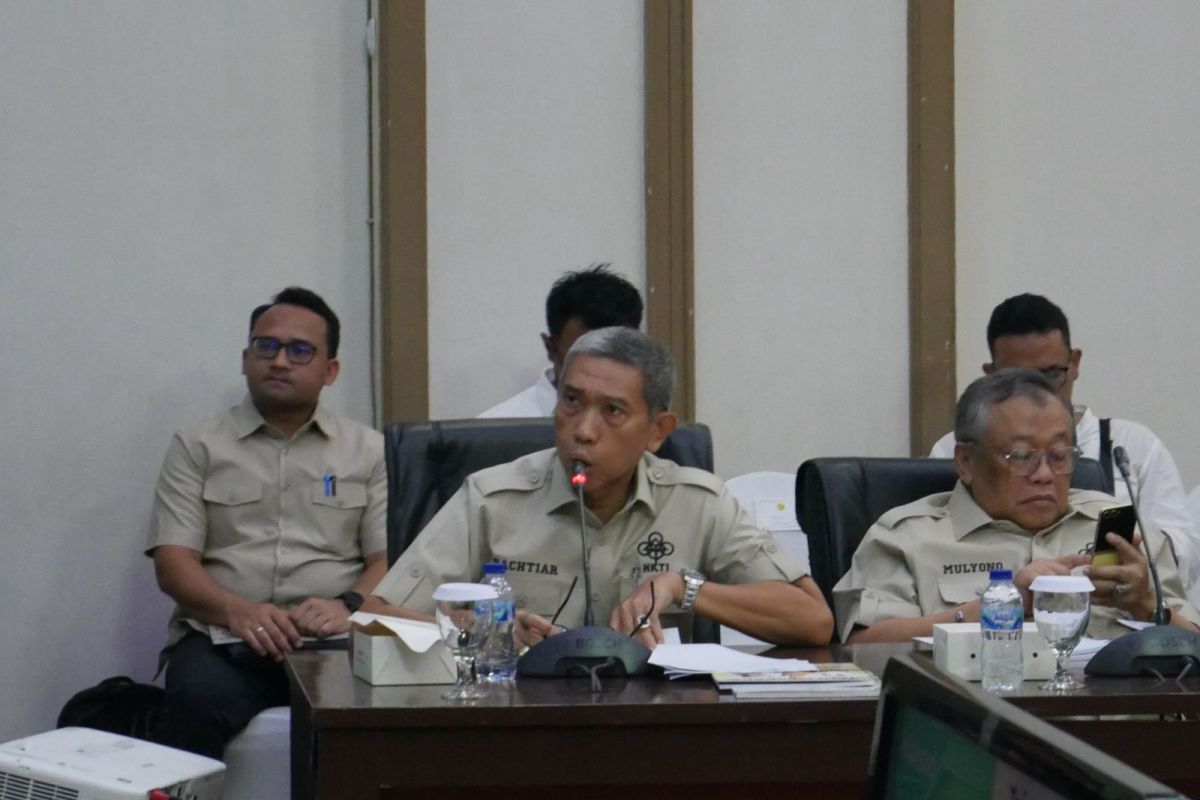
The Indonesian Farmers Association (HKTI) believes that the Free Nutritious Meal (MBG) Programme helps improve public nutrition while simultaneously increasing farmer welfare and opening new economic opportunities across various regions.
HKTI Daily Chairman Bachtiar Utomo stated that the MBG Programme has a direct impact on the quality of human resources while providing economic benefits to the community.
“The Free Nutritious Meal Programme is excellent for helping meet the nutritional needs of school children. This programme also supports pregnant women and toddlers, which can help reduce stunting rates and improve public health quality,” Bachtiar said in an official statement received in Jakarta on Friday.
According to him, the demand for food ingredients to support the MBG Programme will also increase the absorption of agricultural, livestock, and fishery products, thereby opening wider market opportunities for farmers and local food entrepreneurs.
“The higher the food demand for the MBG Programme, the greater the volume of farmers’ production that is absorbed. The impact is certainly very positive for the income and welfare of farmers,” he added.
In addition to increasing the absorption of agricultural products, the MBG programme is also considered to have the potential to create new jobs through activities such as food supply, food processing, distribution, and kitchen operations.
The National Nutrition Agency (BGN) reported that as of 22 May 202<0xC2>6, the MBG Programme has absorbed approximately 1.28 million workers through the operation of 29,225 Nutrition Fulfilment Service Units (SPPG) in various regions.
The programme has also recorded the involvement of 142,387 suppliers. Of that number, 59,921 are micro, small, and medium enterprises (MSMEs), 13,306 are cooperatives, 690 are Merah Putih Village/Sub-district Cooperatives (KDKMP), 1,410 are Village-Owned Enterprises (BUMDes), and 157 are Joint Village-Owned Enterprises (BUMDesma).
The remaining 66,903 suppliers consist of various food ingredient providers and other supporting services.
According to Bachtiar, the MBG Programme provides a multiplier effect on regional economies because it involves farmers, livestock breeders, fishermen, MSMEs, and service providers within the national food supply chain.
“This programme does not only provide nutritious food to the community, but also drives regional economies. There are farmers whose harvests are absorbed, MSMEs that grow, and jobs that are created,” he said.
Furthermore, HKTI believes that the MBG Programme can serve as an important instrument in building a healthy and strong Indonesian generation, while simultaneously strengthening national food security and regional economies.
“Children receive good nutrition, farmers become more prosperous, regional economies move, and ultimately, national food security becomes stronger,” Bachtiar concluded.