
HKI Views Middle East Geopolitics as Boosting Investor Interest in SEZs
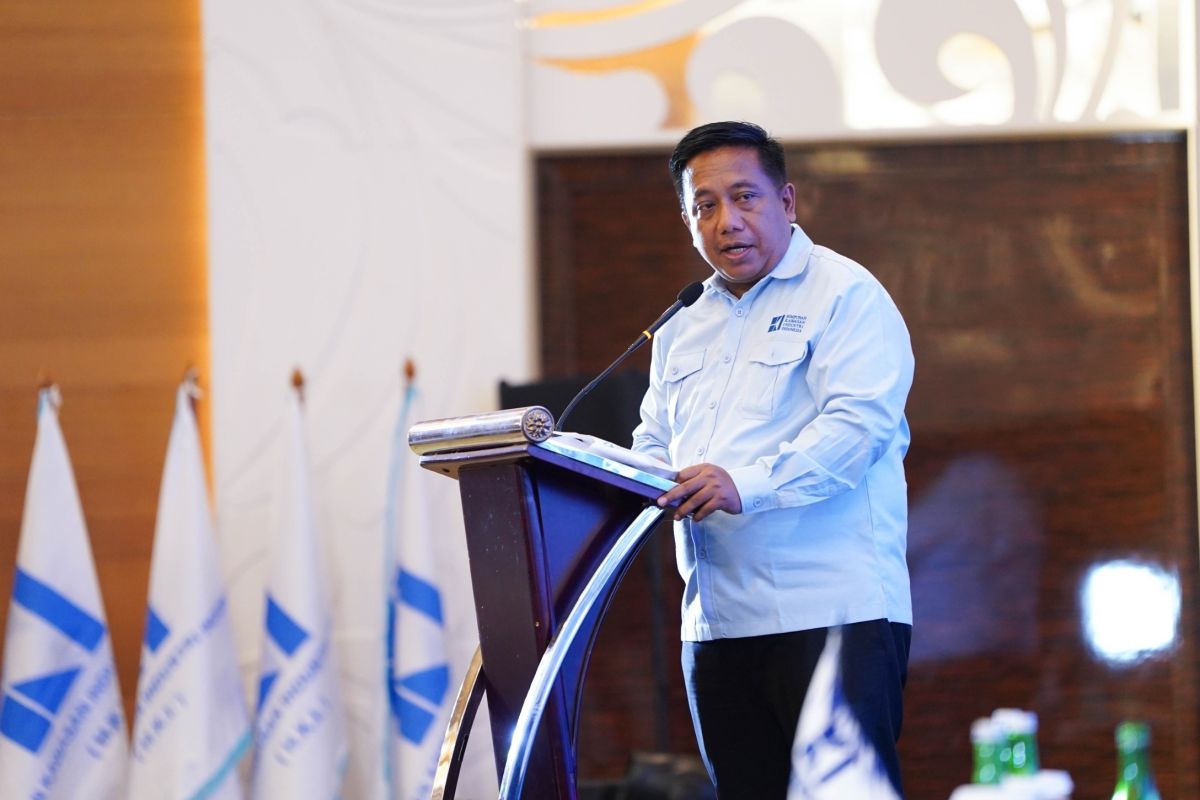
Jakarta (ANTARA) - The Indonesian Industrial Estates Association (HKI) assesses that global geopolitical dynamics in the Middle East are contributing to heightened investor interest in Special Economic Zones (SEZs), particularly on Java Island.
In a statement confirmed in Jakarta on Thursday, HKI General Chairman Akhmad Ma’ruf Maulana stated that changes in the global landscape have opened opportunities for industrial relocation and new investments to various destination countries, including Indonesia.
HKI asserts that the development of SEZs on Java holds a strategic position in supporting the acceleration of national economic growth towards the 8 percent target and attracting investor interest.
Advantages such as infrastructure superiority, proximity to markets, and the maturity of the industrial ecosystem, according to him, make Java one of the main magnets for investment.
“Java remains the backbone of the national economy with a significant contribution to Gross Domestic Product. In the context of achieving the 8 percent growth target, we need measured and quick-impact steps. SEZs on Java can serve as a strategic instrument to meet those needs,” he said.
HKI also highlights that the current evolving global geopolitical dynamics are making investors increasingly selective in determining investment locations.
Factors such as competitive incentives, regulatory certainty, and location flexibility are becoming primary considerations in strategies for risk diversification and supply chain resilience.
In response to this situation, HKI encourages SEZ development policies to remain adaptive and not limited to certain regions. Diversification of SEZ development, both on Java and outside Java, is deemed important to strengthen Indonesia’s competitiveness as a global investment destination.
Furthermore, HKI emphasises that future SEZ development should be directed towards high value-added sectors, including technology-based industries and specific sectors such as the halal industry.
HKI also assesses that the presence of SEZs integrated with modern infrastructure will further enhance national supply chain efficiency while strengthening investment appeal.
“Synergy between the government, industry players, and zone managers is the main key to ensuring SEZs can provide optimal contributions to inclusive and sustainable national economic growth,” said Ma’ruf.
The Ministry of Industry (Kemenperin) records that industrial zones in Indonesia have successfully attracted investments of up to Rp6,744.5 trillion, with employment absorption reaching 2.35 million people over the last five years.
To date, 175 industrial zones have obtained Industrial Zone Business Permits (IUKI), with a total area of 98,235.5 hectares and an occupancy rate of 58.19 percent.
The total number of companies occupying industrial zones in the country is 11,970 tenants. This number has increased significantly compared to five years ago, with the addition of 57 industrial zones or growth of around 48.3 percent.