
HKI Says DeBottlenecking Task Force is Key to Investment Efficiency and Transparency
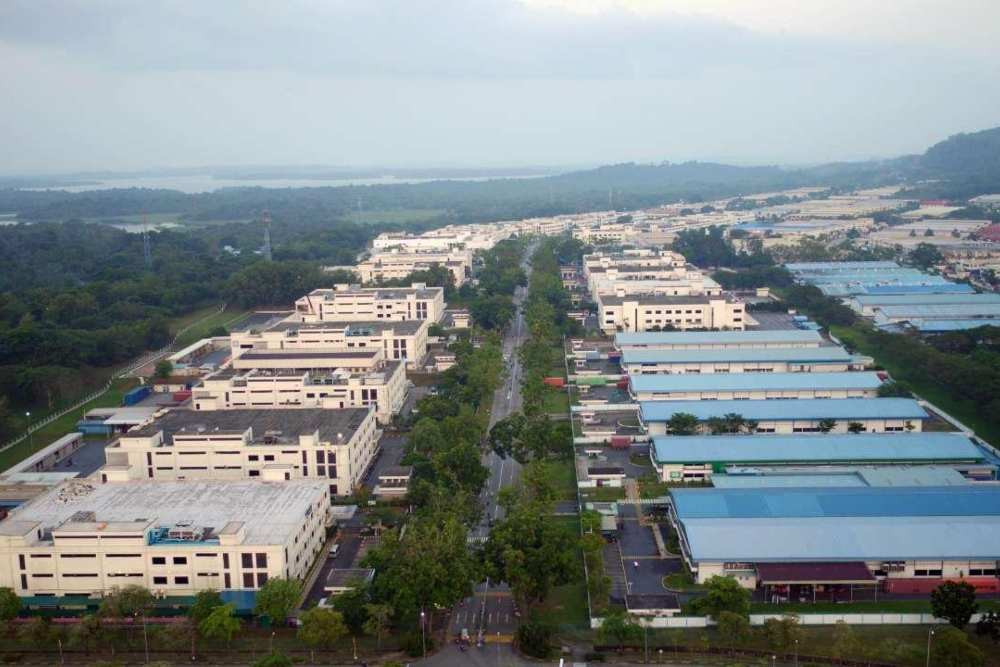
Bisnis.com, Jakarta — The Indonesian Industrial Estates Association (HKI) views the DeBottlenecking Task Force as a catalyst in creating a more efficient, transparent, and competitive investment ecosystem.
HKI General Chairman Akhmad Maruf Maulana stated that the presence of the Task Force can enhance Indonesia’s attractiveness to global investors.
According to him, the DeBottlenecking Task Force represents a significant breakthrough in accelerating national investment realisation, particularly in addressing various obstacles faced by business actors, from administrative delays to practices that harm investors.
Akhmad also emphasised the importance of maintaining integrity in the implementation of investment policies. He said that all parties must ensure there are no practices that hinder the investment process, including the misuse of the government’s or president’s name.
“There are various aspects in the investment process that require attention and joint improvement to maintain investor perception and trust. This is hoped to be continuously addressed through collective efforts by all stakeholders,” Akhmad said in an official statement on Friday (3/4/2026).
He explained that the government needs to strategically utilise the Middle East conflict situation as an opportunity to attract global industrial relocation while serving as a momentum for comprehensive self-improvement.
HKI, he said, emphasises that in the current global situation, many international companies are diversifying their supply chains. According to Akhmad, Indonesia must capture these opportunities by ensuring the readiness of competitive industrial estates, supported by adequate infrastructure, regulatory certainty, and fast and efficient permitting processes.
In addition, this momentum should be utilised for structural reforms, particularly in overcoming various investment barriers at the regional level. In practice, several obstacles are still found, such as convoluted and unsynchronised permitting between agencies, delays in administrative services, uncertainty in spatial planning, and the emergence of practices that harm investors.
Akhmad assessed that these problems tend to recur year after year, so they need to be resolved systematically and consistently.
Furthermore, he conveyed that Indonesia must change its perspective in facing global uncertainties and be more proactive and agile. According to him, amid various obstacles, there are always opportunities.
“The current geopolitical situation must be used as a momentum for self-improvement as well as accelerating steps to attract global investment. The key is execution speed, regulatory certainty, and the courage to address field-level obstacles, especially in the regions. If this can be done consistently, Indonesia has great potential to become the main destination for global industrial relocation,” he stated.
HKI also reaffirmed its commitment to continue synergising with the central and regional governments in supporting the implementation of these policies, as well as ensuring that industrial estates in Indonesia are ready to be at the forefront in driving sustainable economic growth.