
HIV No Longer a Death Sentence: Moving Towards the Three Zero Target by 2030
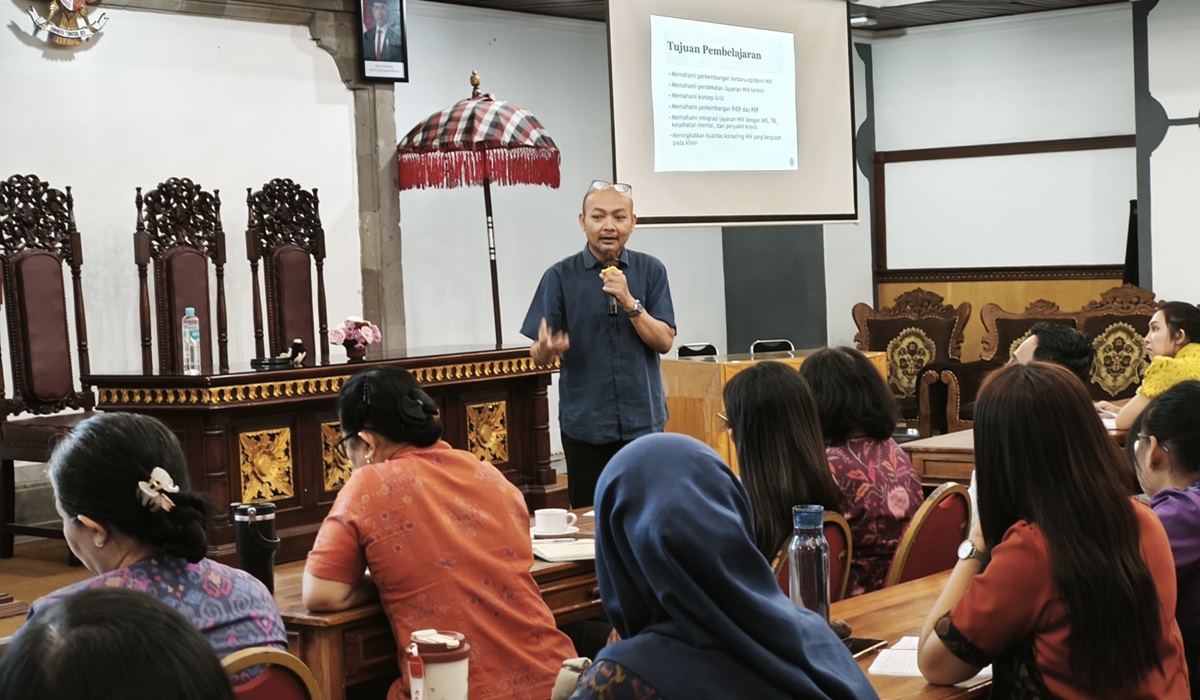
Human Immunodeficiency Virus (HIV) is no longer considered a ‘death sentence’. Significant progress in Antiretroviral (ARV) treatment has shifted the medical paradigm, repositioning HIV as a manageable chronic disease. With appropriate therapy, People Living with HIV (PLHIV) now have the opportunity to live healthy, productive lives and even start families without the risk of transmitting the virus to partners or children.
This was emphasised by Dr Oka Negara, a physician and reproductive health activist, during the 2026 HIV Counsellor Coordination Meeting organised by the Bali AIDS Commission (KPA). He noted that this understanding is a crucial starting point for eradicating the stigma and discrimination that have long haunted PLHIV. Dr Oka recalled how, at the start of the epidemic in the 1980s, an HIV diagnosis almost always resulted in death due to the lack of therapy. However, the situation has now reversed 180 degrees. One of the most revolutionary breakthroughs is the U=U (Undetectable = Untransmittable) concept.
‘PLHIV who undergo routine ARV therapy and successfully achieve an undetectable viral load will not transmit HIV through sexual intercourse. This provides great hope for them to lead normal lives,’ explained Oka. Furthermore, treatment has become much simpler. Whereas patients previously had to consume many drugs with heavy side effects, most patients now only require one tablet per day with a Dolutegravir-based regimen, which is more effective and carries a lower risk of resistance.
Despite medical advancements, social challenges and access to services remain significant hurdles. UNAIDS has set the global 95-95-95 strategy to end the epidemic by 2030, but 2024 data shows the world still has much work to do to reach these targets. Puji Astuti, head of the HIV/AIDS Programme at the VCT Merpati Clinic, RSUD Wangaya Denpasar, emphasised that treatment success depends heavily on patient adherence and the quality of counselling services. She highlighted the importance of empathy from counsellors so that patients feel supported rather than judged.
‘Adherence to ARV medication is key to preventing viral suppression failure, improving immune systems (CD4), and preventing drug resistance. Currently, the Test and Treat policy allows anyone who tests positive for HIV to receive immediate therapy without waiting for their physical condition to decline,’ said Puji.
The meeting reaffirmed Indonesia’s, and specifically Bali’s, commitment to achieving the ‘Three Zero’ target by 2030. Through cross-sector collaboration, strengthened early detection in health facilities, and massive public education, it is hoped that the chain of transmission can be broken and the quality of life for PLHIV in Indonesia will continue to improve towards the future elimination of AIDS.