
HIV Emergency in Fiji as 1 in 60 Adults Infected
Fiji has declared a state of emergency regarding Human Immunodeficiency Virus (HIV) infections. The spread of HIV has become a national health crisis, reaching epidemic proportions.
The decision was announced by the government of the Pacific island nation earlier this week. The Fijian government is deploying all available resources to respond to the surge in HIV cases and to protect the population across the country.
Throughout 2025, Fiji recorded 2,016 new HIV diagnoses. This figure represents a sixteen-fold increase compared to the number of cases recorded in 2019.
The data indicates that the virus is no longer confined to high-risk groups, such as drug users and sex workers, but has begun to spread to the wider community. At least one in 60 adults is now infected with HIV.
The Fijian government stated that the known prevalence of HIV among adults has nearly tripled in the last five years. Fiji has a population of over 900,000 people.
“It is estimated that one in every 60 adults is now living with HIV, compared to one in 167 five years ago,” the government stated, as reported by Deutsche Welle (DW) on Friday (18/9/202le).
Among pregnant women, at least two in every 100 are living with HIV. The Fijian government also warned that 59 babies were born with HIV in 2025, 18 of whom died before reaching one year of age.
Expanded Screening
The Fijian government stated that the increase in cases is due to expanded HIV testing, which has led to the discovery of cases that may previously have gone undetected. The government noted that HIV surveillance had slowed down approximately a decade ago.
Fiji’s Minister of Health, Ratu Atonio Lalabalavu, along with four other ministers, will form a subcommittee to “help remove barriers to rapid action.”
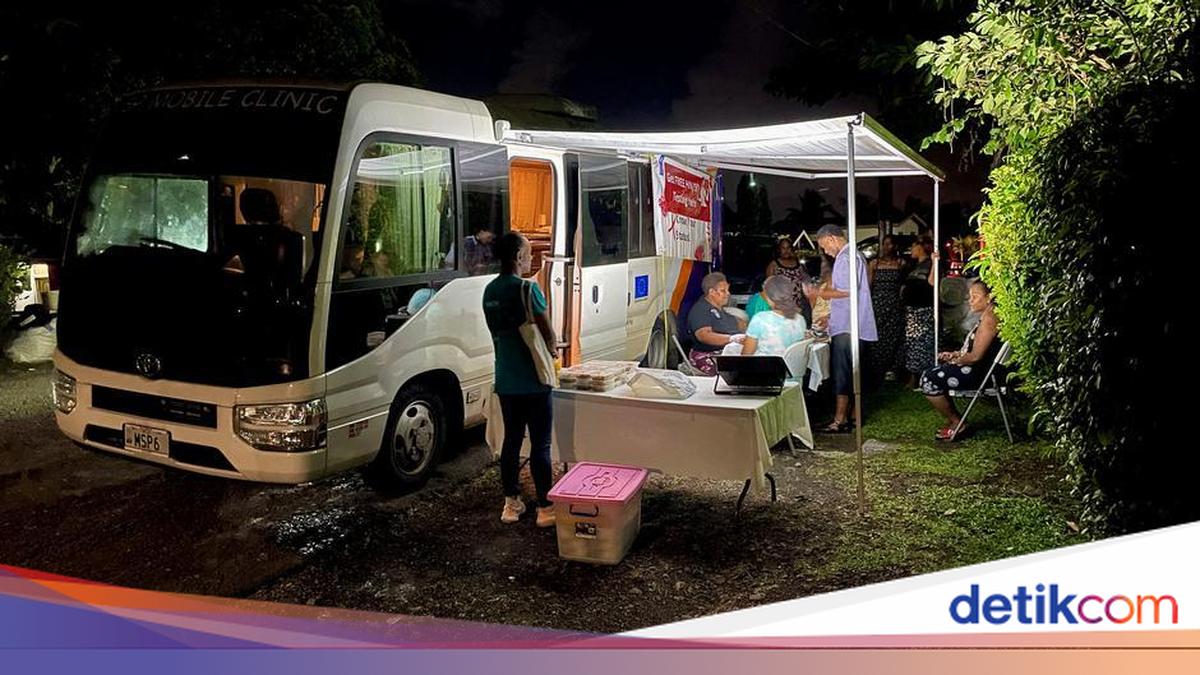
The Fijian government has announced it will expand access to free HIV testing, prevention services, and treatment. The programme includes rapid tests, preventative medication for high-risk groups, harm reduction for people who inject drugs, and free treatment for those diagnosed with HIV.
“This response focuses on saving lives, expanding access to healthcare services, and reducing stigma,” the government said.
Fiji is also receiving support from several international partners, including Australia, New Zealand, India, the Global Fund, and the United Nations.
The government reminded the public that HIV testing is available for free and confidentially across the country. “Knowing your HIV status allows you to take the right steps to protect your own health and that of others,” the government stated.
Transmission Factors: Sex and Drugs
The Joint United Nations Programme on HIV/AIDS (UNAIDS) in Geneva welcomed Fiji’s decision to accelerate the handling of the HIV epidemic.
“Fiji has recognised the urgency of this situation and has increased its response,” said UNAIDS Executive Director Winnie Byanyima. “This also serves as a stark reminder to the world that AIDS is not over. HIV epidemics can change rapidly, and countries need health and community-based systems that are ready to respond immediately.”
UNAIDS stated that more than half of HIV transmissions in Fiji are related to sexual intercourse, and more than 42 per cent are related to intravenous drug use.
UNAIDS estimates that new HIV infections in Fiji increased twelve-fold between 2010 and 2025. UNAIDS also estimates that 9,100 people are living with HIV in 2025.
Of that number, only 39 per cent are aware of their HIV status, and 22 per cent are receiving antiretroviral therapy.
Nevertheless, UNAIDS noted that medical advancements in recent years and increasingly effective treatments still offer opportunities to reverse the trend.
“The declaration of a national crisis is a call to action, not to cause fear. HIV is not transmitted through everyday contact, and people on effective treatment with an undetectable viral load do not transmit HIV through sexual intercourse,” said Eamonn Murphy from UNAIDS. “Fiji still has the opportunity to change the course of this epidemic.”
The Drug Threat on Pacific Trade Routes
UNAIDS Director for Fiji, Renata Ram, told news agency AFP that transmission rates began to rise around 2019. At that time, a group of “highly at-risk” injecting drug users emerged, particularly among the sex worker community.
In recent years, Pacific island nations such as Fiji have become transit routes for drugs from Latin America and Asia heading towards lucrative markets in Australia and New Zealand.
This drug flow has also driven an increase in drug use within these island nations. In several instances, overseas crime syndicates pay local partners with drugs as a reward for services rendered.
Source: jawawa.id (https://jawawa.id/newsitem/hiv-emergency-in-fiji-as-1-in-60-adults-infected-1789775517)
Originally published by detikcom (https://news.detik.com/internasional/d-8669493/darurat-hiv-di-fiji-saat-1-dari-60-orang-dewasa-terinfeksi), translated from Indonesian