
HIV Cases in Kukar Rise, Predominantly Affecting Homosexual Groups
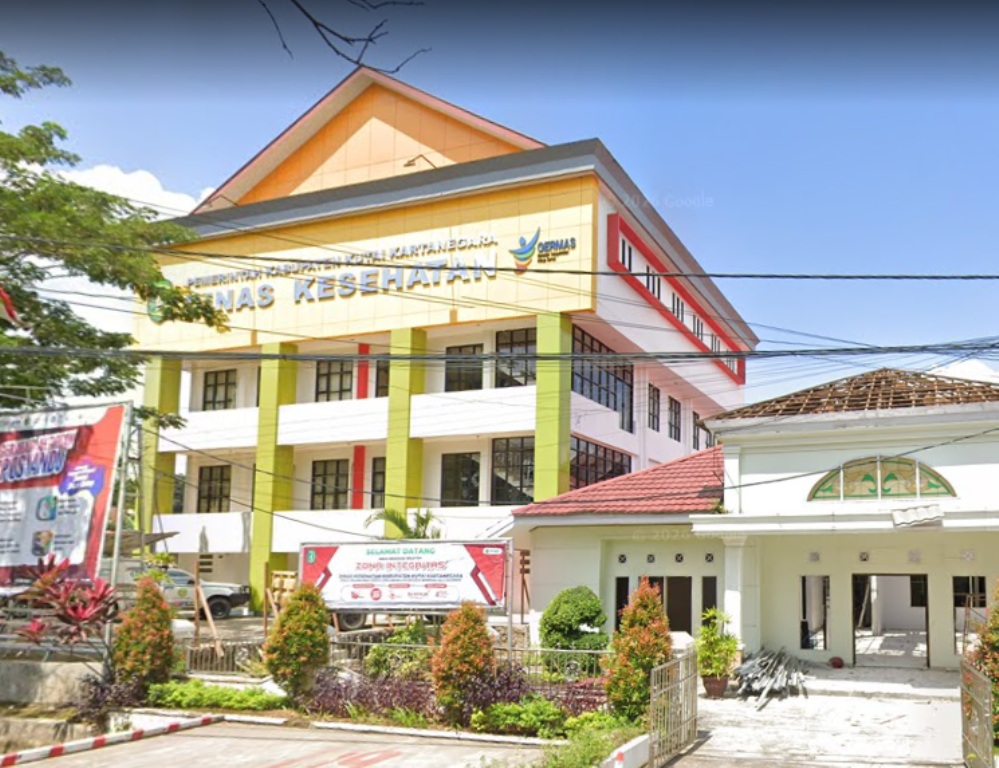
Based on data from the Health Office of Kutai Kartanegara (Kukar), East Kalimantan, the number of Human Immunodeficiency Virus (HIV) cases in Kukar up to June 2026 has increased compared to 2025. People Living with HIV/AIDS (ODHA) are dominated by homosexual men, or the group of men who have sex with men (MSM).
“HIV cases in the Kukar area are dominated by the MSM or homosexual group,” said Masliana, HIV Programme Manager at the Kukar Health Office, on Monday (20/7).
She explained that as of June 2026, the cumulative number of HIV cases in Kukar had reached 542, an increase from 2025’s total of 451. Most of the cases detected were men, particularly from the MSM group.
“Because HIV cases are dominated by men, especially MSM, we have made this group one of the main targets for screening and prevention services,” she stressed.
Masliana noted that the Kukar Health Office has provided pre-exposure prophylaxis (PrEP) services for at-risk groups who have been confirmed HIV-negative through testing. The programme is part of the government’s strategy to prevent transmission among high-risk groups.
The Head of the Kukar Health Office, Ismi Mufiddah, emphasised that the rise in case numbers does not necessarily indicate increased transmission. The data is cumulative, as patients who have been diagnosed remain on record and undergo lifelong treatment. The target is not to reduce the cumulative figure, but to detect cases as early as possible so that patients can be treated and monitored promptly.
“Our case-finding achievement against the Minimum Service Standards has already reached 100%. For treatment, we also provide assistance alongside the NGO Mahakam Plus, to ensure patients regularly take antiretroviral drugs (ARV) and undergo routine viral load testing,” she explained.
She said the groups targeted for testing are those with higher risk factors for HIV transmission. The office continues its efforts to find cases — not in the hope of discovering infections, but so that risk groups are detected early and those who test positive can be treated immediately.
“Most HIV tests in Kukar are carried out through our outreach programme. Kukar Health Office staff, together with community health centres, go directly into the field to provide screening services to target groups,” she said.
However, a persistent challenge is that some patients do not continue treatment routinely, meaning viral control is suboptimal, even though HIV still cannot be cured.
“The treatment only serves to suppress the amount of virus in the body so that patients’ quality of life is maintained and the risk of transmission to others is reduced. That is why people living with HIV must stay motivated to continue treatment,” she urged.
Another challenge facing the Kukar Health Office is patients relocating, which makes it difficult for officers to monitor them and conduct contact tracing where necessary.
“Public support is also an important part of HIV control, alongside strengthening health services. We also remind everyone that stigma towards people living with HIV must not become a barrier to their treatment,” Ismi concluded.