
HIV/AIDS Cases in Semarang Regency Dominated by Productive Age Group
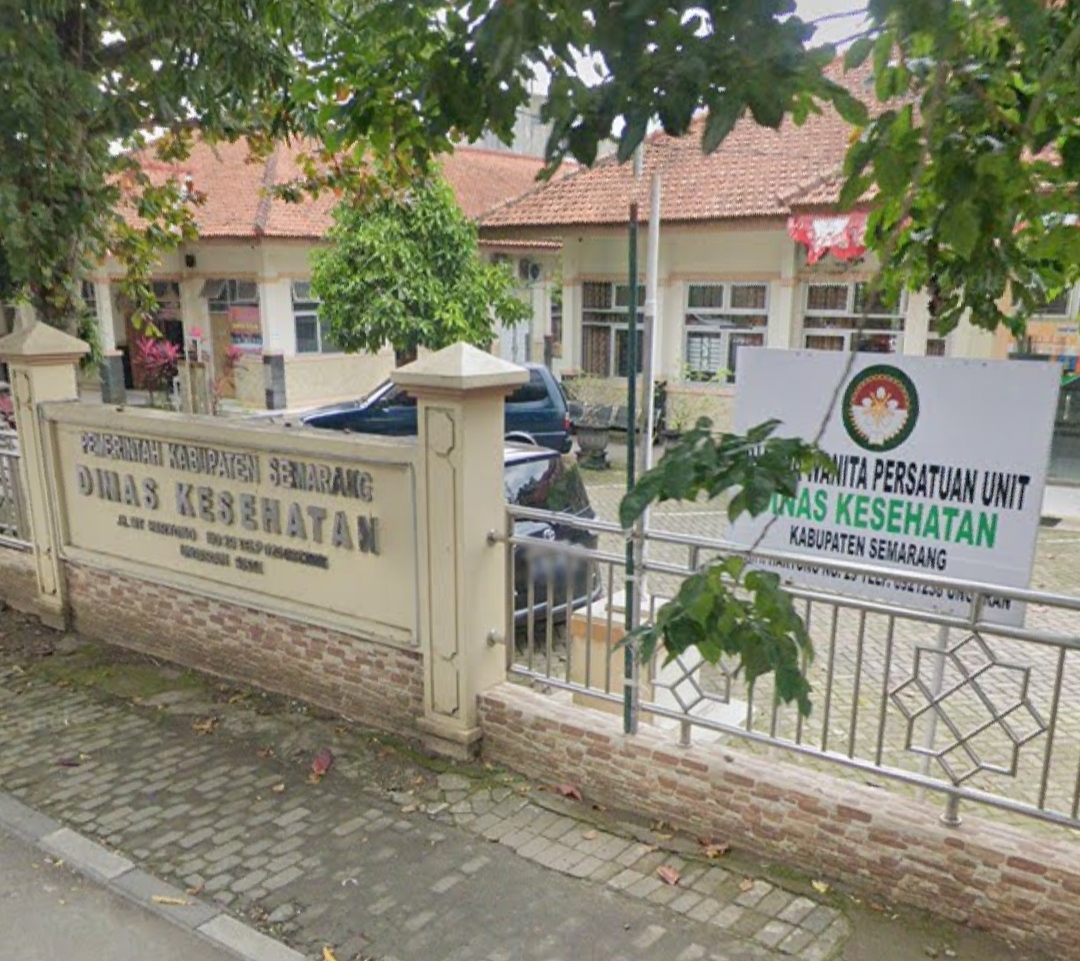
The Semarang Regency Government is actively conducting HIV/AIDS screening, involving 19 community health centres (puskesmas) and four local hospitals to provide treatment for the immune-deficiency disease.
As part of the treatment strategy, medical teams and psychological consultants are being deployed to perform regular examinations to monitor viral loads. This initiative also aims to address the persistent negative social stigma that prevents many individuals from undergoing testing.
Although the number of HIV/AIDS cases in Semarang Regency remains relatively low compared to other regions, the phenomenon is being closely monitored because cases have been identified within the productive age group, as well as among students.
According to Endah Indriati Wurjaningrum, Head of the Disease Prevention and Control Division of the Semarang Regency Health Office, the number of HIV/AIDS cases in the regency remained at 45 as of last April, consistent with the previous year. However, she noted that the most shocking aspect is the prevalence within the productive age group.
Of these cases, 73 per cent occur in men, while 27 per cent occur in women. The primary contributing factor is risky sexual behaviour involving multiple partners, which accounts for 80 per cent of the total cases.
Furthermore, Wurjaningrum reported that three cases occurred among students. Within the identified demographics, homosexual behaviour also contributes 11 cases, representing 24 per cent of the total.
Tracing sexual partners remains one of the significant challenges in HIV/AIDS prevention and control efforts. This is because some patients have multiple partners, making it difficult for officers to conduct partner tracing for further examinations.
Public awareness regarding HIV/AIDS testing remains low; based on established targets, only 60 per cent of the population has been reached so far.