
Hit by Sanctions and Ukrainian Attacks, Russian Oil Revenue Surges
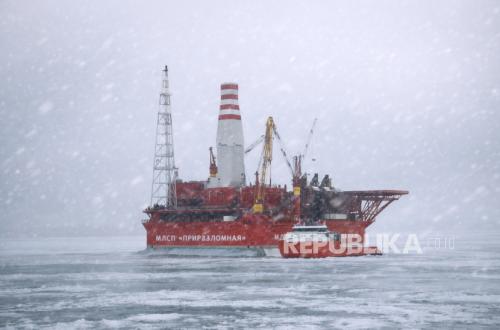
Western sanctions have failed to halt the flow of Russian oil into global markets. As global oil prices surge due to supply disruptions in the Middle East, the value of Russian crude oil exports via sea routes has risen sharply.
Bloomberg reports that the gross value of crude oil shipped from Russian ports reached approximately US$2.75 billion for the week ending 27 September 2026. This increase was supported by a combination of higher oil prices and increased shipment volumes.
During the four-week period ending 27 September, Russian crude exports averaged around 3.71 million barrels per day, the highest level since early August. Meanwhile, the average export value rose to approximately US$2.39 billion per week.
These figures indicate that Russia is still able to derive significant benefits from the global energy market, even though the United States and its allies have been attempting to limit Moscow’s oil sector revenues since 2022. It should be noted that the US$2.75 billion figure represents the estimated gross value of oil shipped from Russian ports, rather than the direct tax revenue entering the Russian government’s treasury.
Oil Prices as a Support Factor
Rising oil prices have been a primary factor supporting Russian export revenues. The global energy market has faced pressure after conflicts in the Iran region disrupted shipments through the Strait of Hormuz.
The Strait of Hormuz is one of the world’s most critical energy corridors. Disruptions to shipments from the Gulf region have forced markets to seek alternative supplies, while simultaneously driving international oil prices higher.
This situation benefits producer nations with export routes outside of Hormuz, including Russia. Russian oil, which has been sold at a discount relative to global benchmarks for several years, has also benefited from the surge in market prices.
Prices for Urals crude from western Russian ports were reported to have breached US$110 per barrel in September, while ESPO oil shipped from eastern Russia reached even higher levels. These prices far exceed the assumptions previously used by the Russian government in drafting the national budget. The price increase provides Moscow with greater revenue headroom while state spending, including defence, remains high.
Sanctions Have Not Stopped Exports
Western nations have sought to limit Russian oil revenues since late 2022. The G7, the European Union, and several partner nations have implemented price caps on Russian oil shipped via sea.
The European Union also banned most Russian crude oil imports via sea in December 2022, followed by restrictions on refined petroleum products in February 2023.
These measures were designed to reduce Russian revenue without completely halting the country’s oil from entering international markets. A total shutdown was feared to potentially trigger global oil shortages and price spikes.
Russia has responded to this pressure by rerouting its trade. The European market, which was previously a primary destination, has been replaced by China, India, and several other Asian nations.
This shift has drastically altered the map of Russian oil trade. Most crude oil shipped via sea is now moving towards Asian markets. Russia has also become increasingly reliant on a fleet of ships and trading networks outside of Western maritime services, with many vessels used in this trade often referred to as part of a ‘shadow fleet’.
Source: jawawa.id (https://jawawa.id/newsitem/hit-by-sanctions-and-ukrainian-attacks-russian-oil-revenue-surges-1790812414)
Originally published by Republika (https://news.republika.co.id/berita/tm6rvz451/dihantam-sanksi-dan-serangan-ukraina-pendapatan-minyak-rusia-justru-melonjak), translated from Indonesian