
History of Women's Special Carriages on KRL, Introduced in 2010 and Once a Victim of the Bintaro 2 Tragedy
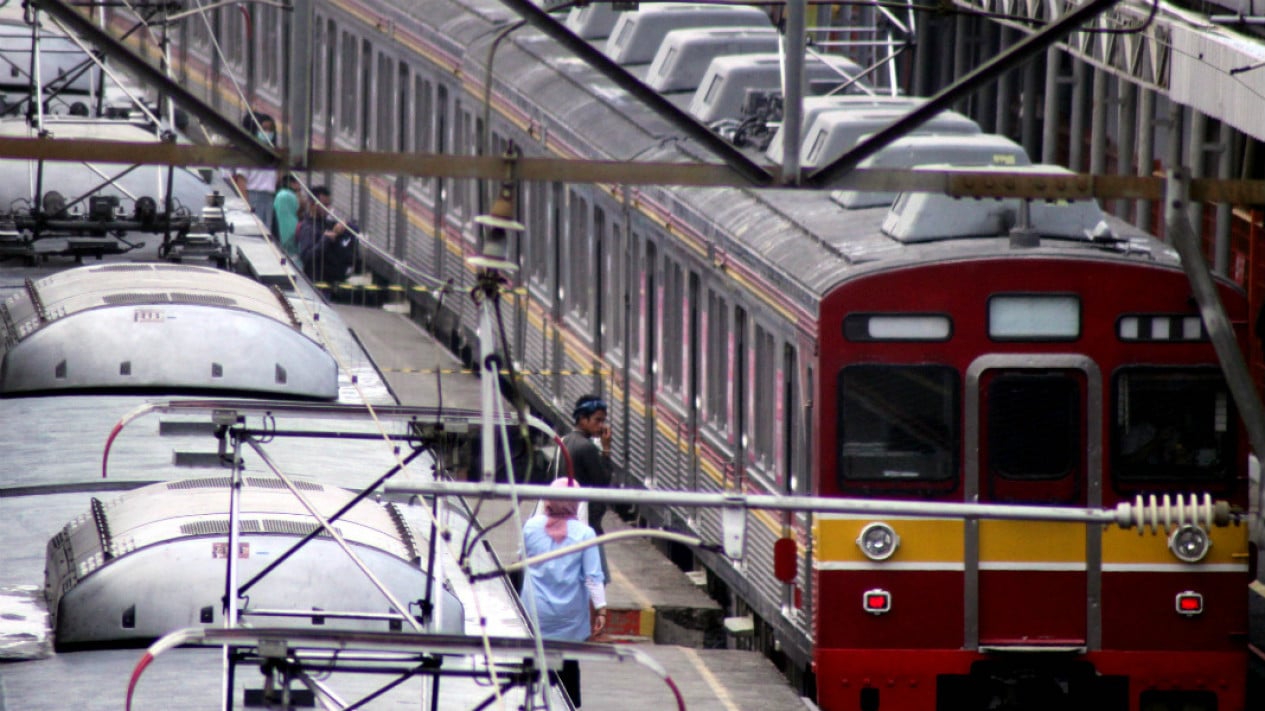
The sorrow from the accident between the Argo Bromo Anggrek train and the KRL Commuter Line at Bekasi Timur Station on Monday, 27 April 2026, has once again reminded the public of the importance of railway transport safety. One of the carriages that suffered severe damage in the incident was the women’s special carriage, a facility that has long served as a safe space for female passengers during their daily commutes.
The women’s special carriage itself is not a new feature in Kereta Rel Listrik (KRL) services. This facility has been available for more than a decade as a response to the high number of complaints regarding sexual harassment and criminal acts against women in public transport, particularly during peak hours.
Looking back at its history, PT Kereta Api Indonesia officially launched the women’s special train carriage or KKW on 19 August 2010. The inauguration was carried out directly by the Transport Minister at the time, Fredy Numberi, along with the Minister for Women’s Empowerment, Linda Gumelar, at Depok Station in West Java.
As an initial phase, PT KAI prepared three special women’s train sets. In each set, there were two carriages designated exclusively for women and children under 10 years of age.
The women’s special carriages were placed at the very front and very rear positions of the train set, namely the first and eighth carriages. In the early days of its launch, the facility was only operated for KRL AC Economy and KRL Express routes from Jakarta to Depok, with ticket prices remaining the same as regular carriages.
To distinguish them from ordinary carriages, the interior design of the carriages was made more striking. The passenger seats used a distinctive pink colour, while some wall sections were equipped with warning stickers featuring more attractive and easily recognisable designs.
The Corporate Secretary of PT KAI Commuter Jabodetabek at the time, Makmur Syaheran, explained that the presence of the women’s special carriage aimed to provide a sense of safety and comfort for female passengers, especially in big cities prone to sexual harassment.
However, the history of the women’s special carriage is not without various tragic events. The most recent is the incident that occurred at Bekasi Timur Station on 27 April 2026.
Source: jawawa.id (https://jawawa.id/newsitem/history-of-womens-special-carriages-on-krl-introduced-in-2010-and-once-a-victim-of-the-bintaro-2-tragedy-1777377150)
Originally published by VIVA.co.id (https://www.viva.co.id/berita/nasional/1895172-sejarah-gerbong-khusus-wanita-di-krl-hadir-sejak-2010-dan-pernah-jadi-korban-tragedi-bintaro-2), translated from Indonesian