
History of the Bima Sultanate: From Its Founding to the Post-Independence Era
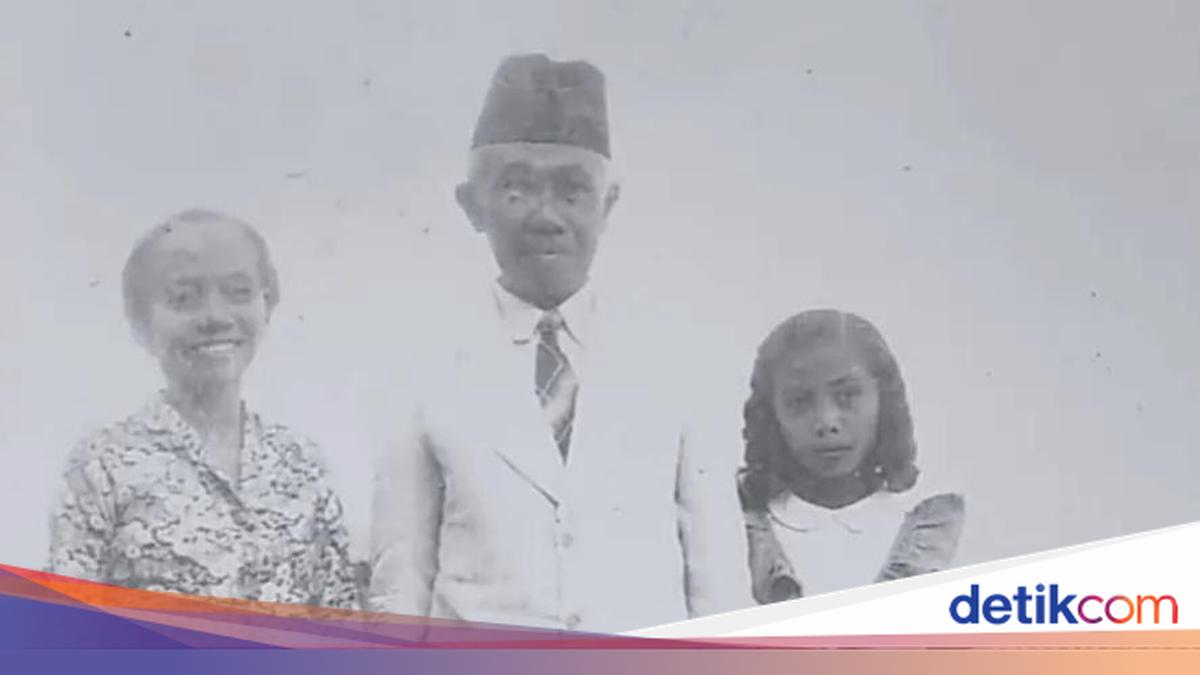
Many kingdoms across the archipelago once stood sovereign and governed their territories fully. One such kingdom that effectively still exists today is the Bima Sultanate. Although it no longer wields power as it once did, the traces of the Bima Sultanate’s civilisation remain compelling to explore. How did the history of the largest Islamic kingdom in West Nusa Tenggara unfold?
The Founding of the Kingdom of Bima
In ancient times, the people of Bima lived under a federal governance system where each region stood independently without a central command. Those who held power were the Ncuhi, and the belief system they adhered to still involved ancestor worship. This traditional religion was known as Marapu. Eventually, a Hindu figure from Java named Sang Bhima arrived. This figure introduced Hinduism and united all the territories controlled by the Ncuhi within the framework of a Hindu-style kingdom. The state he led was subsequently named the Kingdom of Bima. The Kingdom of Bima remained a sovereign state on Sumbawa Island for hundreds of years, until 1621 AD, when the kingdom underwent a transformation into a sultanate.
The Islamisation Process and Transition to a Sultanate
The Kingdom of Bima became the Bima Sultanate when its 27th king converted to Islam and assumed the title Sultan Abdul Kahar I. Islamisation in the Kingdom of Bima occurred through trade and daily interactions. It is difficult to ascertain who the first disseminator of Islam in this region was. Historical records indicate that the Kingdom of Bima engaged with missionaries from the Kingdom of Gowa in Sulawesi. Names such as Datuk Ri Bandang, Datuk Ri Tiro, and Umar Al-Bantani are recognised as figures who contributed to spreading Islamic teachings in the Kingdom of Bima. From Sultan Abdul Kahar I onwards, the rulers of the Bima Sultanate continued to use the title Sultan as the supreme sovereign. The arrival of Western powers, particularly with the entrenchment of the Dutch, altered the political power in Bima. The Sultanate was positioned as a subordinate state to the Dutch, akin to a semi-protectorate.
Post-Independence and Becoming a Cultural Centre
Since Indonesia’s independence in 1945, many kingdoms joined to become part of the then-fledgling Republic of Indonesia. The death of Sultan Abdul Kahir II turned the sultanate into a self-governing territory, and in 1958, the sultan’s political authority was abolished. Although the sultan’s political power has been removed, the throne is still inherited culturally to this day. Many cultural legacies, from buildings such as palaces and mosques to traditional dances, remain as remnants of the Bima Sultanate. The Asi Mbojo Palace, built in 1888, and the Asi Bou Palace, constructed in 1927 as a temporary residence, are two palaces that are legacies of the Bima Sultanate. Besides palaces, there are also mosques such as the Sultan Muhammad Salahuddin Mosque and the Al-Muwahiddin Mosque. In terms of social customs, an example of cultural heritage present in the community is the rimpu attire. This is a type of women’s clothing made from sarong fabric. One cloth is worn on the upper body, covering the head down to the waist, while the second cloth is worn like a skirt. The Bima people are also known for their headgear, the songko lenta, which comes in two colours: black (Me’e) and white (Bura). There is also the sambolo, a woven headband that signifies the wearer’s social status. The cone-shaped sambolo toho leme is worn by nobility, while the sambolo toho sungge is worn by commoners.