
History of the 17 August Independence Day Ceremony: Origins, Meaning, and Evolution
The first ceremony after Indonesia proclaimed its independence took place on 17 August 1945 at Jalan Pegangsaan Timur Number 56, Jakarta. The event was held simply after Soekarno, accompanied by Mohammad Hatta, read out the Proclamation of Independence. During that moment, the Red and White flag, sewn by Fatmawati, was hoisted by Latief Hendraningrat, a PETA soldier, witnessed by the attending public. The flag-raising and the singing of the national anthem ‘Indonesia Raya’ became integral parts of the early commemoration of Indonesian independence.
In the early years of independence, the ceremony was not yet conducted on a grand scale as the nation still faced various challenges, including conflicts to defend its sovereignty. Over time, the commemoration evolved into a state agenda led by the President. The Merdeka Palace became the primary venue for the seconds of the Proclamation ceremony, establishing a state tradition observed every 17 August.
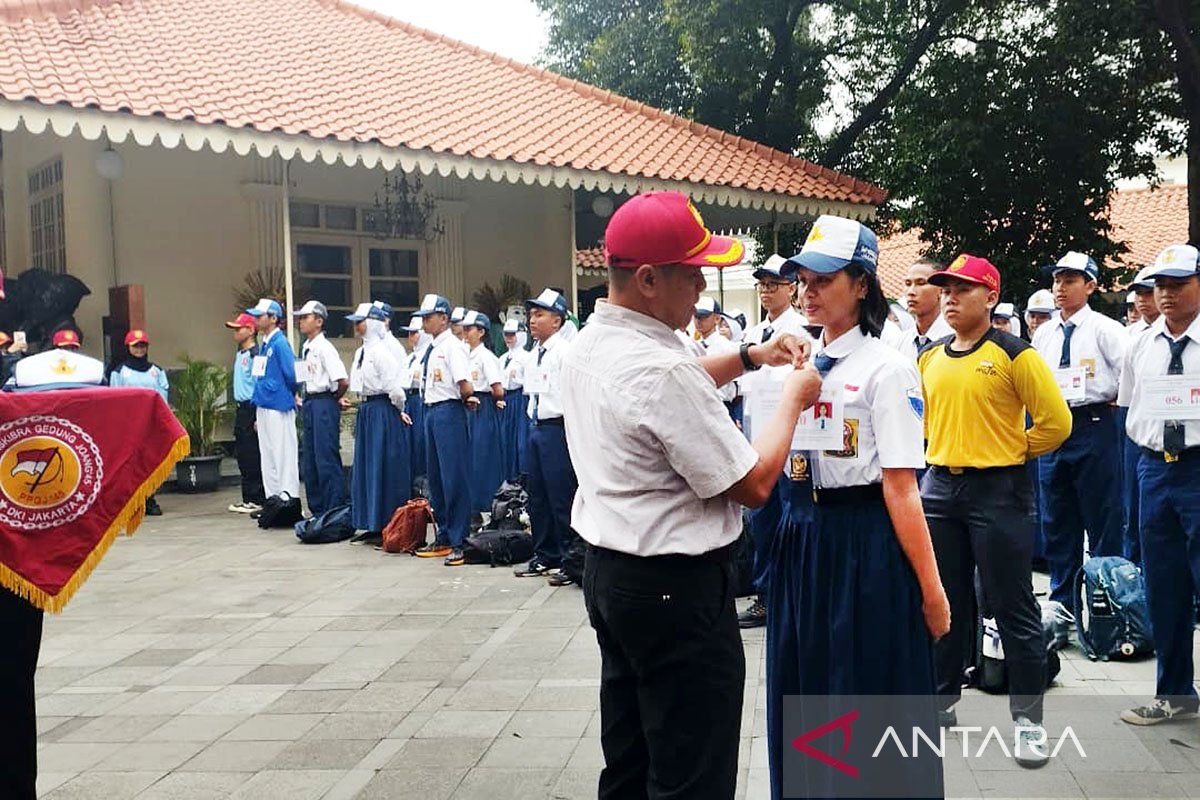
As time progressed, the Independence Day ceremony developed a more structured protocol, including the involvement of the National Flag Hoisting Troop (Paskibraka), the reading of the proclamation text, a moment of silence, and the formal hoisting and lowering of the Red and White flag. The ceremony holds several significant meanings for the Indonesian people, including remembering the services of the heroes who fought for independence, fostering a sense of nationalism and patriotism, honouring state symbols—especially the Red and White flag—and strengthening societal unity and integrity. Furthermore, the ceremony serves as a momentum to recall the values of the nation’s founders in building a sovereign Indonesia.
One of the most anticipated parts of the ceremony is the procession of hoisting the Heritage Flag. This flag has a long history, dating back to its first raising during the Proclamation of Independence on 17 August 1945. In modern ceremonies, the flag is hoisted by Paskibraka members who have undergone a rigorous selection and training process, a duty that represents a form of respect for the struggles of previous generations.
The execution of the Independence Day ceremony continues to evolve with the times. Besides the Merdeka Palace in Jakarta, commemorative activities have also been held in other locations, including the Nusantara Capital City (IKN) during the 79th Independence Day commemoration in 2024. Although the location and sequence of events may change, the core value of the flag ceremony remains the same: commemorating the birth of the Republic of Indonesia and honouring the struggle of the nation’s founders. To this day, the 17 August flag ceremony remains a tradition observed not only at the national level but also in schools, government offices, and various community settings as a form of respect for the nation’s history.