
History of Operation Desert Storm: The US Military's Technological Revolution Against Iraq
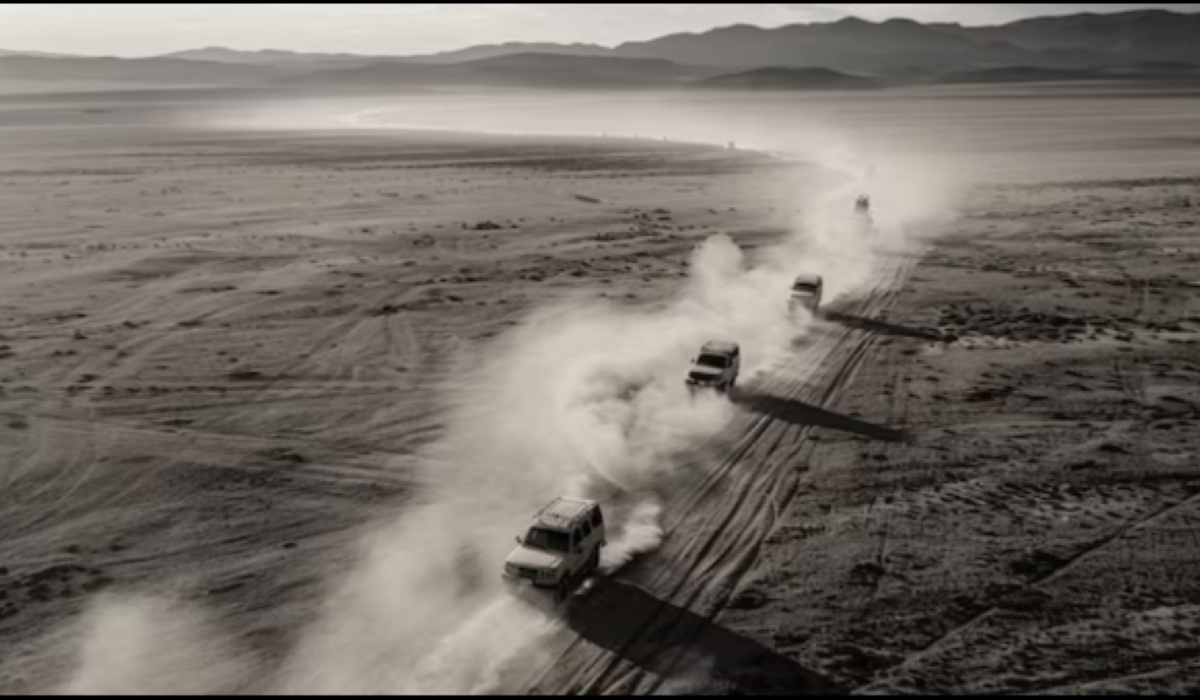
Operation Desert Storm, the active phase of the First Gulf War, became a crucial turning point in modern military history. The conflict was triggered by Iraq’s invasion of Kuwait under Saddam Hussein in 1990, which subsequently threatened the stability of Saudi Arabia. Given that both nations were major oil suppliers to the United States, Washington responded with a massive deployment of military force. This conflict was not merely an ordinary military operation; it was a showcase of cutting-edge technology that altered the world’s perception of American combat power. With the involvement of nearly 700,000 US personnel, the operation marked the largest air campaign since the Vietnam War era. Following Iraq’s invasion of Kuwait, the United States deployed half a million troops to Saudi Arabia. This move was taken to secure the region while preparing a counter-offensive to liberate Kuwait. The US-led international coalition recognised that air superiority was the primary key before launching a ground assault. The military strategy applied was highly systematic. US helicopters were the first units to act, sweeping Iraqi air defence systems and radar sites. Destroying this radar infrastructure was crucial so that allied forces could not be detected or shot down by enemy defences. Once the air corridor was relatively safe, fighter jets began bombarding Iraqi positions with cruise missiles for six consecutive weeks. Operation Desert Storm became a proving ground for weapons systems that are still considered the gold standard of world militaries. Several technologies that recorded their combat debut or large-scale use included precision-guided munitions and the Patriot missile defence system. Despite involving massive forces, the ground assault phase of Operation Desert Storm was remarkably brief. After six weeks of aerial bombardment, the ground operation lasted only about 100 hours before Iraq was forced to retreat. This technological superiority minimised US casualties, with a total of 143 soldiers killed in action during the deployment in Saudi Arabia and the subsequent battle. Strategic analyst Frederik Mertens from the Dutch think tank TNO noted that this moment left a profound impression on the world. Operation Desert Storm demonstrated that the US military had the capability to do whatever it wanted on the battlefield through a combination of strong logistics and precision technology. The primary cause was Iraq’s invasion of Kuwait in August 1990, which threatened global oil supplies and the security of Saudi Arabia. The air campaign phase lasted six weeks, but the decisive ground operation lasted only 100 hours in February 1991. Desert Shield was the phase of deployment and protection of Saudi Arabia, whereas Desert Storm was the offensive phase to liberate Kuwait. The Patriot missile and Tomahawk cruise missile became icons due to their high effectiveness and extensive media coverage at the time. Dozens of nations joined the US-led coalition, making it one of the largest military alliances since World War II. The term ‘video game war’ emerged because, for the first time, the public saw footage from cameras mounted on smart bombs striking targets with high precision.