
History of Labour Day: The Events Behind May Day
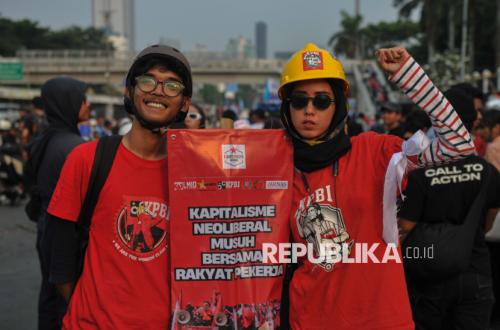
REPUBLIKA.CO.ID, JAKARTA – 1 May is known as the celebration of International Labour Day, also referred to as May Day. The occasion is commemorated by workers in various countries. Typically, workers organise mass actions to demand the fulfilment of their rights.
How did Labour Day come about? According to the Marxists website, the origins of May Day are inseparable from the workers’ struggle for shorter working hours, which became the primary demand of the working class.
That struggle began almost from the start of the factory system in the United States (US). Demands for higher wages also became the most common cause of early strikes in the US, alongside expectations of shorter and more humane working hours, and the right to unionise.
Workers in the US had been voicing complaints about working from ‘sunrise to sunset’ (around 14-18 hours a day) since the early 19th century. As exploitation became increasingly intensive, workers formulated demands against bosses and the government.
The 1820s to 1830s era was filled with strikes related to those demands. The Philadelphia Mechanics’ Union is considered the world’s first labour union, formed after a strike by building trades workers in Philadelphia in 1827.
However, the first strike among the US working class occurred in 1806, carried out by Cordwainers workers. That strike then elevated the struggle for reducing working hours to a common agenda for the US working class.
On 5 September 1882, the first Labour Day parade was held in New York, US. Around 20,000 people paraded carrying banners reading ‘8 hours work, 8 hours rest, 8 hours recreation’. In the following years, this idea spread to all states in the US.