
History of International Workers' Day on 1 May and Its Celebrations in Various Countries
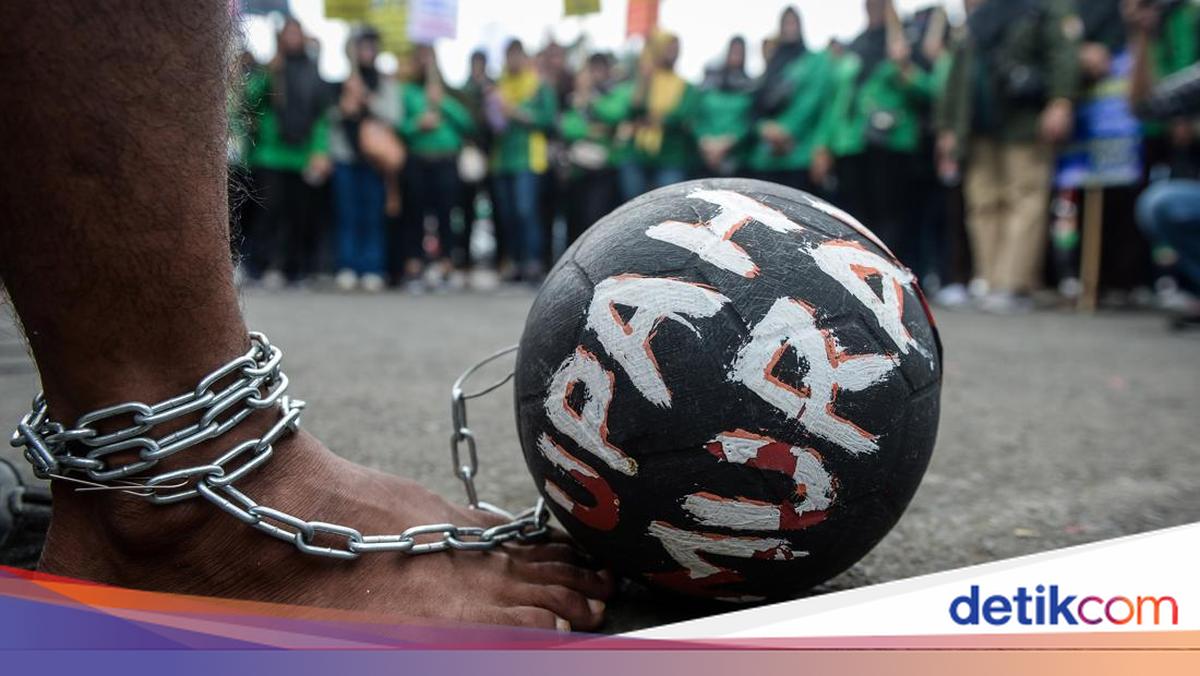
Every 1 May, the world commemorates Labour Day. The observance of Labour Day serves as a form of respect for the struggles of workers and a symbol of the fight for rights, welfare, and better working conditions.
Not only is its meaning the same, but the ways in which each country celebrates Labour Day are also very diverse. In Indonesia itself, Labour Day is synonymous with protest actions usually carried out by trade unions in major cities such as Jakarta.
What is the History of Labour Day?
International Labour Day or ‘May Day’ is rooted in the long struggle of workers in the United States at the end of the 19th century, demanding more humane working hours. The peak of this movement occurred on 1 May 1886, when hundreds of thousands of workers went on strike demanding that working hours be reduced from 12-16 hours a day to 8 hours a day. However, on 4 May 1886, in Haymarket Square, Chicago, a bomb explosion occurred, which triggered a bloody clash between demonstrators and police.
As a form of respect for the sacrifices of activists in that event, in 1889 the Second International Socialist Congress officially designated 1 May as a day of international worker solidarity. In Indonesia, this history has experienced ups and downs; it was only in 2014 that the Indonesian Government officially recognised it as a national holiday on the same date. This red-letter day has become an annual moment for workers to voice their rights and welfare.
How Do Countries Around the World Celebrate Labour Day?
- Poland
Usually, International Labour Day is combined with their National Holiday on 3 May. As a result, many offices give their employees time off from 1-3 May.
On 1 May, political groups hold large-scale marches carrying banners with demands such as ‘Raise Wages’, ‘8 Hours Work a Day’, as well as protection of workers’ rights and the elimination of unemployment.
- China
On Labour Day, cities are bustling with various events ranging from concerts, sports competitions, to entertainment stages. Even the government awards workers who have achievements.
- Russia
Labour Day in Russia is marked by masses parading on the city’s protocol streets. Millions of people take to the streets to celebrate, with a maximum duration of up to 3 days.
- Germany
The celebrations in the Bavaria region involve residents gathering to drink special black beer that is only served once a year. In addition, they have other unique traditions, such as erecting the Maibaum (Maypole), which is decorated with symbols of local crafts and images of community figures.
- France
Unlike other countries, France celebrates their Labour Day in a romantic way with the tradition of giving muguet flowers (Lily of the Valley) to loved ones, symbolising luck and happiness.
- England
Workers dance by circling a tall wooden pole (Maypole) decorated with colourful ribbons. In addition, there is the figure of Jack in the Green, a person wearing a foliage costume about 2 metres tall, dancing on the streets.
- Romania
Also known as Arminden, on the day coinciding with the Labour Day commemoration, livestock such as cattle are not allowed to work; violating this is believed to bring bad luck or death.
- Finland
Vappu or a large picnic with the consumption of tippaleipä (funnel-shaped sweet cakes) is usually held in parks. This popular tradition is also synonymous with placing white student caps on city statues on the night leading up to 1 May.
- Scotland
On Labour Day, Scotland celebrates with a large bonfire festival starting from the night of 30 April until the early hours of 1 May, located at Calton Hill in Edinburgh, also commemorating the return of summer and fertility.
International Labour Day is not just about a red-letter day or holiday on the calendar. Its meaning goes beyond that; this moment can be used as a reflection on the long journey of worker fighters around the world.