
History Gives No Second Chance: Lessons from El Niño
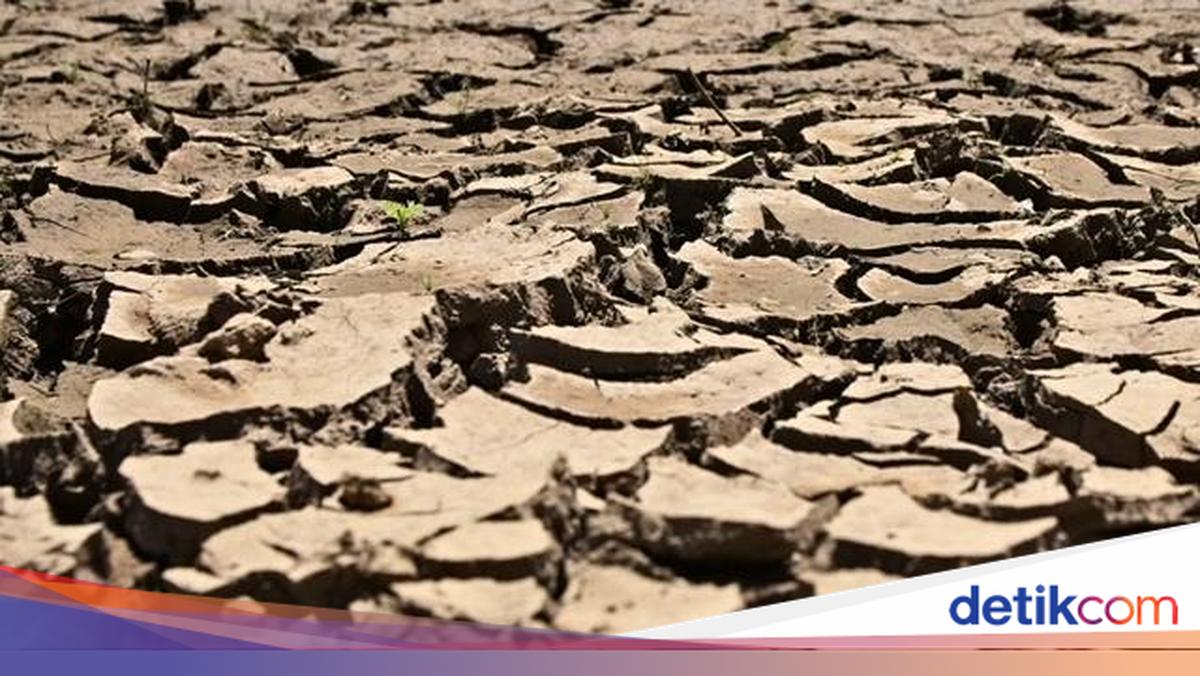
Historians call it the worst environmental disaster to have ever befallen humanity. If a similar event occurred today, with the current global population, the death toll could reach 250 million. These figures are not meant to frighten, but to remind us that El Niño is not merely a weather term in the news—it is a natural force capable of altering the course of history. And now, the phenomenon is drawing near. The question is no longer ‘if’ but ‘when.’ Sea surface temperatures in the Equatorial Pacific have risen rapidly, signalling the onset of El Niño expected between May and July 2026. The NOAA Climate Prediction Center has set the probability of occurrence during this period at 82%, rising to 96% for December 2026 to February 2027. The World Meteorological Organization (WMO) has also expressed high confidence in its intensification. This is not a prediction from one agency—it is a global scientific consensus. ‘El Niño is expected to emerge imminently, with an 82% chance during May-July 2026, and a 96% probability of persisting through the 2026-2027 winter season from December 2026 to February 2027.’ NOAA Climate Prediction Center, May 2026. Domestically, the Indonesian Meteorology, Climatology, and Geophysics Agency (BMKG) predicts the 2026 dry season will be drier and longer than usual. El Niño intensity is forecast to be weak to moderate, with a 50-80% probability, and a small chance of intensifying to a strong category. BMKG stressed that confidence in intensity predictions will sharpen with May 2026 analyses, meaning there is little time left to prepare—and none to waste. ‘We lack neither data nor warnings. What we need is collective will to act.’ Parts of Indonesia have already entered the dry season since April 2026, with peak conditions expected in August. Java, southern Sumatra, Bali, and Nusa Tenggara face the most significant pressures. For Indonesia’s 280 million people, this is not just a climate report statistic—it is a very real threat. ‘El Niño’s impacts extend beyond the environment, spreading to health and food security. Extreme weather changes could heighten disease risks, particularly dehydration, respiratory issues, and weakened immunity.’ Prof. Nurlina, Unismuh Makassar, 20 April 2026. El Niño does not operate in isolation. It is connected to a global climate system now far less stable than in previous decades. As Arctic ice melts, two key feedback loops occur: darker ocean surfaces absorb more solar radiation—the albedo effect—and thawing permafrost releases vast amounts of methane, a gas 80 times more potent than CO₂ in the short term. The WMO warns that warmer oceans and atmosphere provide more energy and moisture, increasing the potential for extreme weather such as heatwaves and heavy rainfall. Arctic warming is not just an issue for polar regions—it affects farmers in Karawang and fishermen in Makassar. Indonesia, an agrarian nation, has food security heavily dependent on stable rainfall patterns. Drought in fields and farms can damage crops, reduce harvests, and drive up food prices. BMKG projects the 2026 El Niño will not surpass the 2019 event—but this is no cause for relief. The 2019 El Niño already devastated millions of farmers with prolonged drought and widespread wildfires. Amid already strained global food prices, even a 1% drop in national rice production could lead to a crisis felt at the dinner table. At an individual level, the public must conserve water, maximise storage and infiltration wells, increase hydration, and use protection when outdoors. But individual actions alone are insufficient. Better water resource management through reservoirs, embung, and efficient irrigation systems, alongside drought-resistant crop varieties, are structural measures that must be urgently strengthened, according to ADRA Indonesia. Central and local governments must act now, not wait until August to panic together. Early drought detection at district level, food diversification, and peatland protection are three priorities that cannot be delayed. The 1877 El Niño was a tragedy because the world did not know what was coming. The greatest tragedy of a severe 2026 El Niño would not stem from lack of data—BMKG has issued forecasts, NOAA and WMO have spoken. Scientists have written. The question is whether we have the collective will to act before disaster strikes. History never offers a second chance. And nature, certainly, will not wait for us to be ready.