
History and culture strengthen the appeal of Indonesian gastronomic tourism
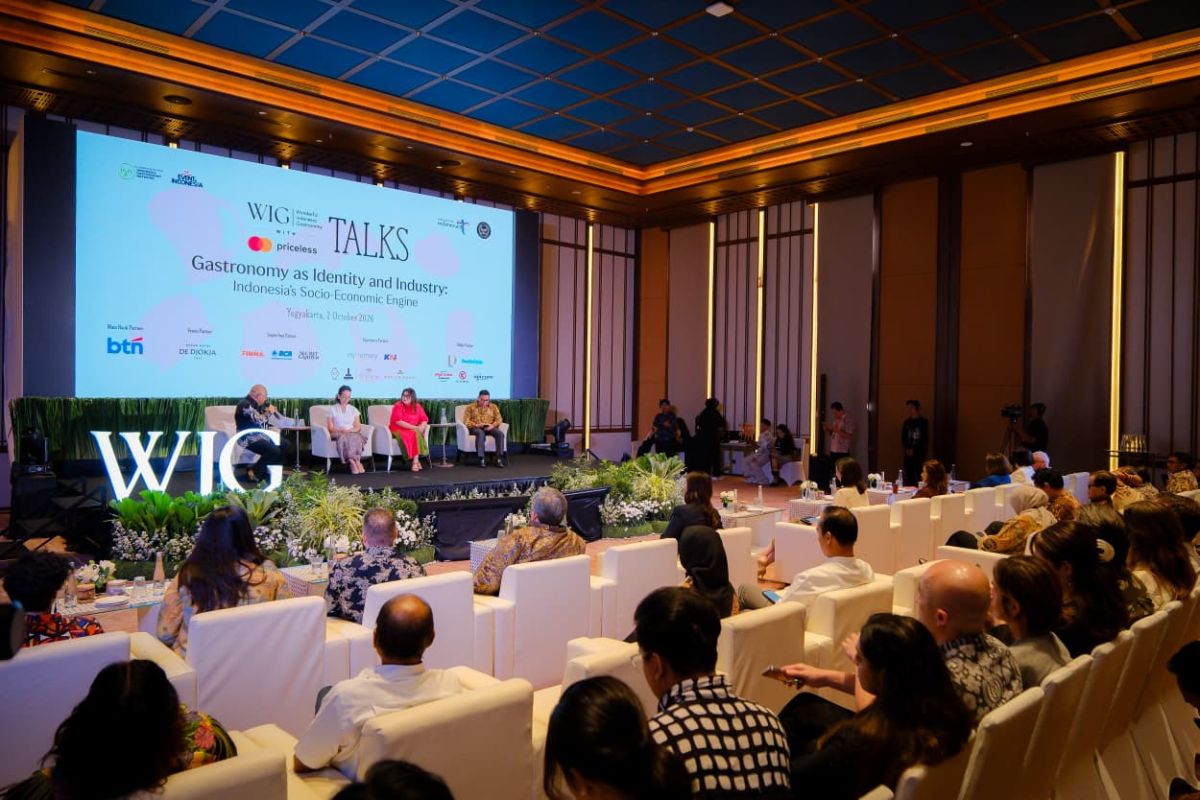
Jakarta (ANTARA) - The history and culture underpinning a dish are essential components in the development of Indonesian gastronomic tourism, alongside flavour and the ingredients used.
In an official statement from the Ministry of Tourism confirmed in Jakarta on Sunday, the Penghageng Kawedanan Hagber Nitya Budaya Keraton Yogyakarta, as well as the Chairperson of the Regional Tourism Promotion Board (BPPD) of DIY, Gusti Kanjeng Ratu (GKR) Bendara, stated that gastronomic tourism is not merely about serving food, but also about presenting stories, cultural experiences, and the sustainability of local food sources.
“All gastronomic tourism products in Jogja must have a background story. For example, why is Jogja’s cuisine tends to be sweet? Because during the era of Sultan Hamengkubuwono VII, there were approximately 19 sugar factories in Jogja. Sugar became a symbol of social status and wealth for the palace, so drinks and food at that time were served very sweetly. Therefore, people know the historical record; this is what must be well-packaged,” said GKR Bendara.
Examples include two rare culinary items, nasi golong gilig and dawet sambal. Dawet sambal combines sweet dawet with pecel sambal and tofu.
“Because sometimes people, upon first hearing about dawet sambal, reject it immediately because they think, ‘why is sweet dawet served with sambal?’ So, it is sweet dawet but with pecel sambal, including tofu,” she noted.
She also cited rendang, which possesses not only a distinctive flavour but also holds deep philosophical meaning.
“Gastronomy must continue to be recorded, inherited, and integrated with the urban planning of heritage sites and historical narratives to provide optimal added value for tourists,” said Ramlan.
“Indonesians are very critical regarding local food because they possess memories or emotional bonds with family dishes, such as those from grandmothers or mothers. Therefore, it is very important to understand recipes from their original sources in various regions to serve authentic food while providing a responsible touch or modification for consumers,” he added.
Meanwhile, illustrator and food storyteller Nugraha Pratama stated that the challenge in depicting food is not just visualising taste, but capturing the culture behind dishes that possess long historical backgrounds.
Through sketches, he continuously strives to build a visual historical documentation of gastronomy that records how humans enjoyed culinary delights and interacted socially in their era.
These perspectives emerged during the Wonderful Indonesia Gastronomy (WIG) Talks 2026 held in DI Yogyakarta on Friday (2/10), featuring 22 speakers from government, industry, arts, and academia to review the development of gastronomy as a cultural identity and a driver of sustainable economic growth.