
Historical Facts: GP Ansor in Bali Existed Before Indonesia's Independence
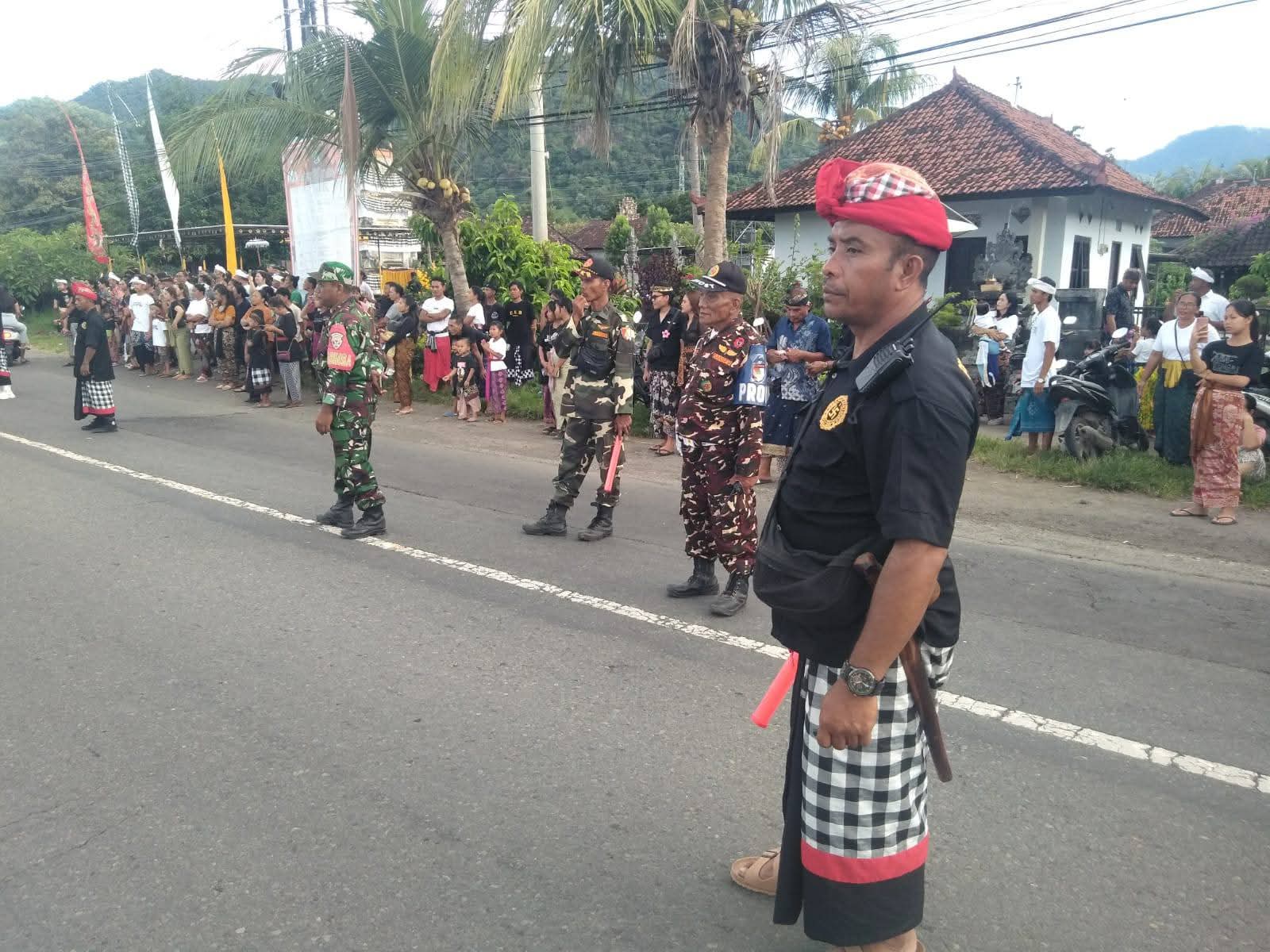
The journey of the Gerakan Pemuda (GP) Ansor in Bali cannot be separated from its parent organisation, Nahdlatul Ulama (NU), which was already established in Bali before the independence period. As far as can be traced, NU Bali has been in existence since 1934. This data was obtained from the attendance list of the 9th NU Muktamar held in Banyuwangi on 23-24 April 1934, where two delegates from Bali were present. Even before the congress at the eastern tip of Java, according to stories from elders in Jembrana, KH Abdul Wahab Chasbullah, a founding figure of NU, came directly to Jembrana to introduce NU and invited local Muslim figures to participate in the grand event in Banyuwangi, which is geographically close to Jembrana. The most important result of the Banyuwangi Muktamar was the approval to form a special body for NU youths, which was then named Ansor Nahdlotul Oelama (ANO), later changing to Gerakan Pemuda Ansor. From there, NU began to be introduced to the Muslim community of Bali, simultaneously forming its youth wing, GP Ansor. NU proved to be accepted, as not long after, Muslim students from Bali who previously studied religion in Lombok began to go to pesantren in Java in 1935. One was a student from Pegayaman Village, Buleleng, named Affandi, who studied at the Tebuireng Islamic Boarding School in Jombang. This is according to the records of Wayan Suardika, a History student at Udayana University, in his 1988 thesis entitled ‘Perkembangan Nahdlatul Ulama di Bali’. In the years that followed, cohorts of Balinese Muslim students continued to increase to study in Java. In 1954, Ahmad Damanhuri from Loloan, Jembrana, went to study at the Tambakberas Islamic Boarding School in Jombang under the direct guidance of KH. Abdul Wahab Chasbullah. Damanhuri later became the Chairman of the GP Ansor Jembrana Branch in 1963 and played a very important role in the social dynamics of 1965-1966. GP Ansor Bali has played several important roles. Firstly, involvement during the independence revolution in Bali. The Balinese people fought shoulder to shoulder against the Dutch who tried to reclaim control after the 1945 proclamation. This interfaith joint struggle in Bali had been commonly practised by Muslim troops since the kingdom era, even though they defended kings of different religions. Furthermore, in the 1945 context, after NU began spreading religious teachings accommodating to tradition and holding strong national views to defend the homeland, NU youths plunged into the battlefield alongside other fighters. This is evidenced by the many graves of Muslim fighters interred at the Heroes’ Cemetery in Bali. Secondly, it played an important role during the chaotic period of 1965-1966. This incident is better known as the Gestok era by the Balinese people. According to Soe Hok Gie’s records, at least 80,000 lives in Bali became victims due to political ideological conflicts from the centre that spread to the regions, including Bali. At that time, lives were easily taken with accusations or being branded a communist. An open conflict between GP Ansor and the PKI occurred, as reported by Harian Suara Indonesia on 15 November 1965, detailing a physical clash in Gerokgak, Buleleng, on Thursday, 11 November 1965, which killed 4 PKI members, 2 Ansor members, and 1 PNI member, with dozens more injured. This conflict broke out due to rumours of an attack from Pemuda Rakyat, affiliated with the PKI. Clashes also occurred in Tegalbadeng, Jembrana, on 30 November 1965, killing 2 Ansor members and 1 soldier. This conflict was triggered by suspicion of PKI members holding a secret meeting. A clash broke out when it was about to be dispersed, killing 2 Ansor members, which then provoked the masses’ anger towards PKI sympathisers. During this ‘purge’, GP Ansor, although involved alongside PNI youth and the army, conducted sweeps carefully, as not everyone had to be ‘eliminated’ for being branded PKI. There were people who knew nothing but ended up as victims. In this tense and chaotic situation, to prevent everyone from being eliminated, the Ansor Membership Card (KTA) became a ‘magic card’ as proof that a person was not affiliated with the PKI. Even those who were previously not members approached Ansor chairmen to ask for an Ansor KTA. Ansor members in villages, together with other youths, conducted nightly patrols to help provide a sense of security to the community. Thirdly, Ansor became a bridge for harmony. After the Bali bombings, identity narratives became predominantly voiced, from official meetings to coffee shop chats. Vigilance, because tourism requires comfort and security, was excessively interpreted, leading towards ethnic and religious tensions. The Bali bombing incident, from any perspective, is unjustifiable, and Balinese Muslims themselves strongly condemned the incident. The Bali bombing not only devastated buildings in Legian, Kuta, but also impacted the destruction of the harmonious Hindu-Islamic structure that had been built harmoniously for hundreds of years. Several efforts were made by NU Bali, especially by GP Ansor Bali activists, in coordination with security forces to sweep and map the distribution of religious ideologies leading to radicalism. These radical religious ideologies are strongly contrary to NU’s moderate outlook. Because GP Ansor is focused on the issue of harmony, small frictions occasionally occur when confronting these extreme right-wing groups. Furthermore, GP Ansor in Bali always undertakes symbolic cooperation, both through dialogue and security. We often witness the special unit Barisan Ansor Serbaguna (Banser) securing religious ceremonies together with pecalang, both Hindu and Muslim ceremonies.